


Where to Stay in Tokyo with an Onsen: Best Hotels & Ryokan
By ANL | UPDATED:
- ♨️ Authentic onsen & ryokan stays in Tokyo
- 🛏️ Traditional tatami rooms & yukata experience
- 🧘 Relaxing bathing rituals & wellness benefits
- 🏙️ Stay central while enjoying Japanese traditions
- 🗺️ Tips on choosing the right onsen hotel
→ Discover the best onsen stays in Tokyo and how to choose the right experience
The Japan travel guide helps place Tokyo’s onsen and ryokan culture in a broader travel context.
All photographs in this article were taken by Travel In Culture.
Tokyo is a city of contrasts. Towering skyscrapers and neon lights sit alongside quiet temples, tree-lined streets, and peaceful gardens. Amidst this bustling metropolis, visitors can discover a hidden world of traditional Japanese bathing culture. Staying at a Tokyo onsen hotel, whether a traditional ryokan Tokyo or a modern property with public baths, allows you to soak in therapeutic waters, relax your body, and immerse yourself in centuries-old rituals, all without leaving the city.
While Tokyo is not naturally renowned for hot springs, at least a handful of hotels bring authentic onsen experiences to the capital. Some pump water from geothermal springs deep underground or transport it from nearby onsen regions such as Hakone. Others recreate the soothing ritual with heated ofuro-style baths, offering a traditional Japanese experience.

Traditional entrance at a Tokyo ryokan, welcoming guests with sliding doors and a serene atmosphere | Photo: Travel In Culture
Whether you seek a luxurious retreat, cultural immersion, or a budget-friendly escape, this guide will help you discover particularly suited Japanese onsen hotels that Tokyo offers, or explore our complete guide on where to stay in Tokyo for a broader overview of the city.
1. Best Onsen Hotels in Tokyo – Where to Stay
If you want the full onsen experience in Tokyo, the city offers two types of bathing hotels: authentic Tokyo ryokan with natural hot mineral-rich spring water and onsen-style hotels in Tokyo that provide traditional baths heated to mimic a natural onsen.
Authentic Onsen Hotels (Natural Hot Spring Water)
These selected hotels provide genuine hot spring baths, often sourced from geothermal wells or transported from nearby onsen regions. They offer not only relaxation but also the therapeutic benefits traditionally associated with onsen. They are selected based on their character and onsen tradition.
Where to Stay in an Authentic Onsen Hotel / Ryokan in Tokyo
Onsen-Style Hotels & Ryokan (Public Baths / Ofuro)
Onsen-style hotels may not feature natural hot spring water, but they beautifully recreate the onsen experience with carefully designed public baths. They are ideal for travellers seeking a traditional atmosphere without relying on geothermal sources, while still offering an authentic Japanese bathing experience in Tokyo.
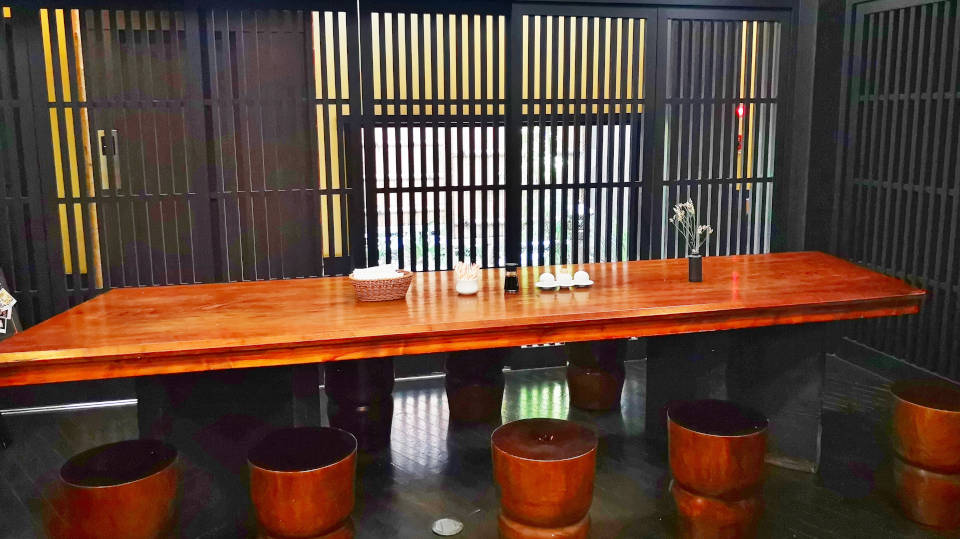
We stay at such a ryokan, Hotel Edoya, tucked away on a quiet street in Bunkyo near Ueno. The property offers authentic Japanese-style rooms with tatami flooring and futon bedding, laid side by side directly on the tatami mats. A low table with legless chairs provides the perfect setting for a traditional Japanese meal. Contrary to initial expectations, the chairs are surprisingly comfortable.

Outdoor sitting area at a Tokyo ryokan with an onsen-style bath, offering a peaceful retreat from the city.
Behind sliding doors at the entrance, neatly arranged slippers await guests, including red plastic slippers specifically for the bathroom. Soon, the area fills with our shoes alongside those provided by Edoya, a small but charming glimpse of Japanese order and ritual.
Sleeping arrangements are equally distinctive. The rectangular pillows, filled with rice beads or pearls, feel rigid at first, giving the impression of discomfort. Yet by morning, we are surprised at how well they have cradled our heads, leaving us with an unexpectedly deep and restful sleep.
Where to Stay in an Onsen-Style Hotel / Ryokan in Tokyo
Staying at Edoya offers a calming retreat after exploring one of Tokyo’s most vibrant districts. The combination of indoor and open-air baths, along with tatami rooms and futon bedding, creates a traditional atmosphere throughout the stay. Even brief soaks in the public bath feel immersive, providing moments of quiet reflection. As night falls, we relax in the rooftop bath, gazing across the city skyline in a quietly spectacular experience.
If you want to explore all of Tokyo with ease, our complete guide on where to stay in Tokyo breaks down the best choices for Tokyo neighbourhoods to help you find the perfect base for your trip.
2. What is an Onsen Hotel (Ryokan)? Understanding the Japanese Tradition
An onsen hotel Tokyo is far more than a place to stay, offering an immersive gateway into Japan’s centuries-old bathing culture. Combining accommodation with ritualised relaxation, these hotels invite guests to experience the therapeutic qualities of hot spring bathing while engaging with enduring traditions of Japanese hospitality.
An onsen refers to a natural hot spring formed by subterranean volcanic activity, producing geothermally heated water typically reaching 40 to 50 degrees centigrade. This mineral-rich water, whether sourced locally or transported from renowned regions such as Hakone, is associated with improving circulation, easing muscle tension, and supporting skin health. Soaking in these waters, while unwinding in a tranquil setting, forms the essence of the experience.
In Tokyo, not all bathing facilities rely on natural springs. A sento is a public bathhouse using heated water, while many hotels offer onsen-style baths or ofuro that recreate the atmosphere and design of traditional hot springs. Even without natural mineral water, these spaces provide a deeply authentic experience, especially when paired with tatami flooring, wooden interiors, and a calm, contemplative ambience.

Traditional tatami room in a Tokyo ryokan with futon bedding and yukatas, offering an authentic Japanese stay.
Closely tied to this practice is the ryokan, a traditional Japanese inn dating back to the 8th century. With tatami-matted rooms, sliding shoji doors, futon bedding, and low tables with floor cushions, ryokans create an atmosphere of quiet refinement. Guests are generally encouraged to wear yukata robes, the traditional home-style kimonos to be worn at home. Slipping into a yukata becomes part of the rhythm of the stay, moving effortlessly between room and bath.
Although modern hotels dominate Tokyo, ryokans offer a rare sense of stillness within the city. Choosing a Japanese onsen hotel Tokyo is not simply about bathing. It is about stepping into a centuries-old ritual that balances physical restoration with mental clarity. This approach to mindful travel reflects a deeper way of experiencing destinations, as outlined in our cultural travel method, where traditions, rituals, and local practices shape a more meaningful journey, while also allowing you to explore more of the city in our Tokyo travel guide.
3. How to Use the Public Bath: Bathing Etiquette and Tips
Staying in a Tokyo onsen hotel is not simply about bathing, but about entering a ritual shaped by centuries of refinement. Rooted in cleanliness, mindfulness, and quiet respect, the experience is designed to restore both body and mind, with etiquette helping to preserve its calm atmosphere.
- Wash before entering: Use the shower or bucket to wash before soaking.
- Keep towels out of the bath: Use them only outside the water.
- Speak quietly: Maintain a calm and peaceful atmosphere.
- Tie up long hair: Prevent it from touching the water.
- Rinse off soap before entering: The bath is for soaking, not washing.
- Respect shared space: Avoid splashing or disruptive behaviour.
Eager to understand this Japanese tradition, we observe the ritual of cleansing. Sitting on a low stool, rinsing and washing thoroughly with a hand shower or traditional bucket, guests ease into the rhythm of the process. This step keeps the shared waters pure, marking a gentle shift from the outside world into a more contemplative space.
Immersion is slow and deliberate. Slipping into water that often reaches 40 to 50 degrees centigrade, the initial heat soon softens into a deep, enveloping warmth. Towels are set aside rather than immersed, and the bath is reserved for soaking, not washing. Remaining still, breathing steadily, and letting the warmth settle creates a quietly restorative pause.
Intimate onsen-style bath at a small Tokyo ryokan, perfect for relaxing after a day of sightseeing.
Silence shapes the atmosphere. Speaking softly, or simply sitting in stillness, we begin to notice the subtle sounds of water and the faint mineral scent in the air. In this quiet, the contrast with Tokyo’s intensity becomes more vivid, deepening the sense of retreat.
- Most traditional onsen baths in Tokyo are separated by gender.
- Some hotels offer private baths or mixed-gender options — always check in advance.
Even in onsen Tokyo hotel experiences, such as rooftop ofuro in certain ryokans, these customs guide the visit, turning each bath into a mindful practice of presence. Small, unspoken details become part of the immersion. On one occasion, we slip into a neatly arranged pair of slippers outside the bath, assuming they are for guests. Only once inside, met with discreet smiles and gentle gestures, do we realise they belong to others. The moment, quietly corrected, reveals that onsen etiquette is shaped as much by awareness as by instruction.
Approached with attentiveness, an onsen visit becomes more than a soothing respite. It becomes a practice of presence, inviting a slower rhythm and offering a refined glimpse into the understated elegance of Japanese cultural life.

Traditional Japanese breakfast served on a tray at a Tokyo ryokan, featuring fresh local ingredients | Photo: Travel In Culture
4. How to Choose the Right Onsen Hotel for Your Tokyo Stay
Selecting the right onsen hotel in Tokyo involves more than choosing a place with a hot bath. Each property offers a distinct blend of atmosphere, facilities, and cultural experience, and understanding these differences helps ensure a stay that is both relaxing and memorable.
| Hotel Type | Water Source | Atmosphere | Ideal For |
|---|---|---|---|
| Authentic Onsen | Natural spring | Traditional | Culture seekers |
| Onsen-style | Heated ofuro | Modern / traditional | City travellers |
Location is an important starting point. Areas such as Ueno or Asakusa place you close to museums, parks, and historic temples, offering a calmer, more traditional setting. By contrast, districts such as Ginza or Shinjuku immerse you in Tokyo’s energy, with easy access to shopping, dining, and nightlife, making it easy to choose where to stay in Tokyo with onsen. For a detailed look at Tokyo’s neighborhoods, landmarks, and what to see in each area, check out our Tokyo Districts & Landmarks guide. The choice depends on whether you prefer a quieter base or a more dynamic urban experience. For tranquil surroundings, we opt for a more traditional neighbourhood near Ueno, drawn by its quieter atmosphere and proximity to cultural landmarks.

Traditional red-draped bench at a Tokyo ryokan reception, welcoming guests in classic Japanese style.
The type of bathing experience is equally significant. Authentic onsen hotels use natural geothermal water, drawn from underground sources or transported from regions such as Hakone. Onsen-style hotels, on the other hand, offer heated baths designed to recreate the atmosphere of a traditional hot spring. Both can be deeply relaxing, but understanding the distinction helps align expectations with experience.
Ambience also shapes the stay. Some ryokans embrace a fully traditional aesthetic, with tatami flooring, sliding shoji screens, and understated interiors that evoke a sense of timeless Japan. Others combine these elements with modern comforts, incorporating rooftop or indoor ofuro that present a more contemporary interpretation of the onsen tradition.
We choose a ryokan that reflects a balance of location and atmosphere. Its setting near Ueno allows for easy exploration of nearby parks and temples, before returning to the calm of a rooftop bath. Soaking in the open air on a crisp February evening, with steam rising into the night and the city lights below, the experience feels removed from Tokyo’s bustle, offering a rare moment of stillness above the streets.
Traditional Japanese decor at a Tokyo ryokan featuring an onsen-style bath, blending elegance and cultural charm.
Practical considerations also shape the choice of onsen hotel. Amenities, the option of private or shared baths, and budget all play a part. Tokyo’s onsen hotels range from more affordable options such as Hotel Edoya, known for its charming rooftop bath, to higher-end properties offering private facilities and additional wellness treatments. Understanding what each hotel provides helps in striking the right balance between comfort, authenticity, and cost.
- Check if the bath uses natural onsen water or heated ofuro
- Look for private baths if you prefer more privacy
- Confirm tattoo policies, as some baths have restrictions
- Choose location based on sightseeing priorities
- Book early during peak travel seasons
Ultimately, choosing the right onsen hotel is not simply about convenience. It is about selecting a place that allows you to slow down, recharge, and engage more deeply with Japanese bathing culture while exploring the city.
5. The Benefits of Staying in a Ryokan / Onsen Hotel
Staying in a traditional Japanese inn offers far more than a simple soak. It brings together physical wellbeing, mental restoration, and cultural immersion in a way that feels both indulgent and deeply rooted in tradition. The mineral-rich waters of a traditional onsen (where available) have long been valued in Japan for their therapeutic qualities, helping to improve circulation, ease muscle tension, and relieve fatigue after a day spent exploring the city.
- Traditional tatami rooms and futons
- Access to therapeutic mineral baths
- Cultural immersion and rituals
- Quiet retreat in the heart of Tokyo
Beyond these physical benefits, the atmosphere itself provides a rare sense of calm. Sinking into warm water on a quiet rooftop, with Tokyo’s lights shimmering in the distance, or unwinding in a serene indoor bath framed by shoji screens and natural wood, creates a moment of stillness that feels far removed from the city’s pace. Even onsen-style hotels, with carefully heated baths and thoughtful design, offer a similar sense of quiet retreat, typical of onsen-style hotels in Tokyo.

Many ryokan in Tokyo feature traditional entrances with noren curtains.
The experience is equally cultural. Staying in a ryokan or onsen-style hotel introduces a series of small, meaningful rituals, from wearing a yukata to moving between room and bath with a sense of ease. We find ourselves doing the same, noticing other guests arriving for breakfast in their yukata, the atmosphere relaxed yet quietly structured. Each element reflects a broader appreciation for simplicity, harmony, and routine refined over centuries.
The mental benefits are just as significant. Slowing down, stepping away from the constant movement of the city, and allowing time to linger in the bath encourages a sense of balance and clarity. On a clear evening, soaking beneath the open sky and watching the faint outline of stars above the city, the experience feels both restorative and quietly unique.
A stay in a Tokyo onsen hotel goes beyond accommodation. It is an opportunity to pause, reset, and engage with one of Japan’s most enduring cultural practices in a setting that feels both intimate and quietly transformative.

Beyond a traditional ryokan, the surrounding neighbourhood offers quiet streets and glimpses of local temples.
6. Explore Tokyo Beyond the Public Bath
While Tokyo’s onsen hotels offer restorative baths and moments of calm, the city itself unfolds just beyond the door. Staying in a district with an onsen allows for a natural balance between relaxation and exploration, where traditional culture meets the energy of a modern metropolis. To plan your sightseeing, check our Tokyo Districts & Landmarks guide.
In Ueno, leisurely walks through tree-lined park paths lead to the Tokyo National Museum, where centuries of Japanese art and history are thoughtfully displayed. The surrounding streets, dotted with cafés and small traditional shops, invite a slower pace, making it easy to drift between cultural discovery and quiet moments before returning to the bath.
A serene miniature garden tucked near our Bunkyo ryokan, offering a peaceful escape.
Asakusa offers a similarly compelling contrast. Its historic streets guide you towards Senso-ji Temple, an impressive wooden landmark framed by lively market stalls. Here, the past and present coexist effortlessly, and stepping back into the calm of a ryokan or onsen-style hotel afterwards lends a reflective close to the day.
For a more cosmopolitan atmosphere, districts such as Ginza, Shibuya, and Shinjuku present a different rhythm. In Ginza, refined boutiques and galleries sit alongside understated teahouses, while Shibuya pulses with movement, from its iconic crossing to its ever-changing street scene and dining culture. Shinjuku, meanwhile, offers an expansive shopping landscape alongside its own distinct urban character. Returning from these districts to the quiet warmth of a bath creates a welcome contrast, grounding the experience.
Even a short soak at your Tokyo onsen hotel or ryokan offers a moment of reconnection, balancing the city’s energy with restorative calm. This interplay between discovery and stillness shapes a stay that is not only memorable but deeply restorative, bringing together adventure, wellbeing, and cultural immersion in equal measure, reflecting a more intentional way of travelling rooted in cultural understanding. To complement a stay in a Tokyo wellness hotel, these curated experiences and tours offer a great way to explore the city while making the most of your time near your ryokan.
More Information – FAQs
Do all Tokyo ryokan have natural onsen water?
No, not all ryokan feature natural hot spring water. Some use heated ofuro baths that recreate the traditional onsen experience, offering relaxation even without geothermal water.
Can I stay in a Tokyo ryokan on a budget?
Yes, several budget-friendly ryokan and onsen-style hotels provide tatami rooms and shared baths, allowing visitors to enjoy authentic Japanese hospitality without high costs.
Are onsen baths in Tokyo mixed-gender?
Typically, onsen baths in Tokyo ryokan are separated by gender. Some hotels may offer private or family baths for mixed-gender use. Always check the hotel’s policies before booking.
Do I need to book in advance for a Tokyo onsen hotel?
Yes, especially during peak travel seasons. Tokyo ryokan and onsen-style hotels can fill quickly, and booking in advance ensures your preferred room type and bath access.
What should I wear at a ryokan or onsen hotel?
Guests usually wear a yukata robe provided by the ryokan. Yukata are comfortable, traditional garments worn during your stay, including when visiting the baths.
Read more about Tokyo accommmodation: Where to Stay in Tokyo: Best Area and Hotel for Every Traveller
