


Tokyo Travel Guide: Plan Your Trip to Japan’s Capital
A structured hub covering Tokyo’s districts, transport system, cultural highlights, itineraries, and accommodation, designed for both first-time and returning visitors.
By ANL | UPDATED:
Why Tokyo Stands Out
Tokyo is a city of contrasts, where ancient traditions and ultra-modern life exist side by side. It is not a place defined by a single skyline or district, but by hundreds of interconnected neighbourhoods, each with its own identity, rhythm, and atmosphere.
For first-time visitors, what makes Tokyo unforgettable is not just what you see, but how the city feels: the quiet order of its streets, the precision of its transport system, and the sudden shifts between calm temple grounds and neon-lit avenues.
- 🏯 Cultural depth: Centuries-old temples, shrines, and traditional arts still shape daily life
- 🌆 Modern energy: Futuristic districts, skyscrapers, and cutting-edge technology define the skyline
- 🍣 Food culture: From street stalls to Michelin-star dining, Tokyo offers unmatched variety
- 🎌 Pop culture influence: Anime, fashion, gaming, and youth culture shape entire districts
- 🗺️ Urban structure: A rail-connected city made up of distinct, walkable neighbourhoods
→ Explore the full guide, top spots, and insider tips
This balance of tradition and innovation is what makes Tokyo one of the most rewarding cities in the world to explore. It is also why even a short visit can feel overwhelming in the best possible way.
All photographs in this article were taken by Travel In Culture.
♨️ Selected for a private outdoor bath → Prostyle Ryokan Tokyo Asakusa
🏯 Selected for a traditional ryokan experience → Ryokan Kamogawa Asakusa
This hub gives you a structured overview of Tokyo, with each section linking to more detailed guides on districts, itineraries, and travel tips to help you plan in depth. For a broader travel plan, the Japan travel guide brings together city guides, cultural insights, and itinerary ideas across the country.

A carefully arranged tray showcases the variety and artistry of Japanese cuisine | Photo: Travel In Culture
Is Tokyo worth visiting?
Tokyo is absolutely worth visiting for its unique blend of ancient traditions and cutting-edge modern life. From serene temples and gardens to bustling districts, world-class food, and unique experiences such as anime culture, the city offers something for every traveller, whether sightseeing, exploring top attractions, or enjoying must-do experiences across the city.
Yes, Tokyo perfectly blends ancient culture with modern life. From peaceful temples to neon-lit streets, vibrant nightlife, and unique experiences such as anime culture, there are endless things to do and sightseeing opportunities for every traveller.
- 📅 Best time to visit Tokyo? Spring (March to May) and autumn (September to November) offer pleasant weather, cherry blossoms, and autumn colours, making sightseeing and exploring the city far more enjoyable.
- 🛡️ Is Tokyo safe for tourists? Yes, Tokyo is very safe. Violent crime is rare, and standard precautions, such as watching belongings in crowded areas, are usually sufficient for a worry-free trip.
- 🚆 How do I get around Tokyo? IC cards like Suica or Pasmo make trains and buses easy. Google Maps and Japan Route Finder & Planner apps help with navigation and train schedules for first-time visitors.
- 🗣️ Do I need to speak Japanese? English signage is common in stations and major attractions. Knowing a few phrases such as thank you and excuse me enhances interactions, but speaking Japanese is not essential.
- ⏳ How many days should I spend in Tokyo? Three to four days allows you to explore major districts, temples, parks, shopping, and nightlife. Extra days let you enjoy day trips to nearby destinations.
This hub provides a structured overview of Tokyo and connects you to detailed guides on districts, culture, itineraries, and accommodation.

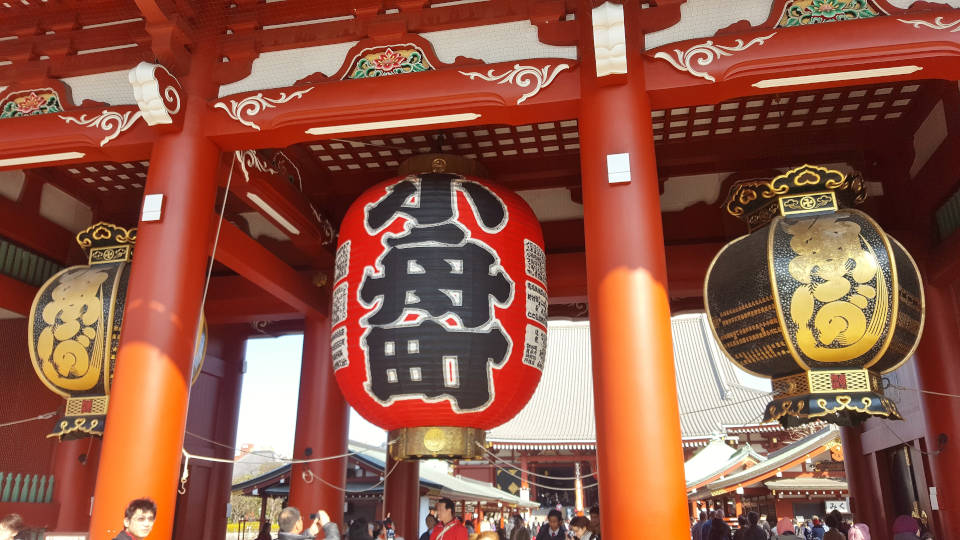
A glimpse of the Sensoji Temple area reveals the pagoda rising above the bustling streets of Asakusa.
1. Why Visit Tokyo
Tokyo is a city of dazzling contrasts, where centuries-old temples and serene gardens sit side by side with neon-lit skyscrapers and bustling shopping districts. It is a place where tradition meets technology at every corner, and no matter how many times you visit, there is always something new to discover.
When you first arrive in Tokyo, the sheer scale of the city can feel overwhelming. The mass of people at Shibuya Crossing, the intricate trains weaving seamlessly through the metropolis, and the quiet corners of hidden shrines will leave you in awe. Beyond the spectacle, what makes Tokyo truly special is the way it balances chaos and calm.

Ritual purification at Meiji Shrine offers a calm prelude to the sacred forested grounds.
Here, you can start your morning with a peaceful stroll through the Meiji Jingu Shrine, and by afternoon, find yourself exploring the flashing lights, and otaku culture of Akihabara, and other must-see attractions. You can sip matcha in a centuries-old tea house and then take the bullet train for a day trip outside the city, all in a single day.
Tokyo is also remarkably safe and organised. Even in the busiest districts, people move in an unspoken rhythm, queues form naturally, and the public transport system runs with near-perfect punctuality. Visitors quickly learn to rely on the city’s extraordinary efficiency while enjoying its rich cultural tapestry.
- Cultural depth: Temples, shrines, traditional arts, and historic neighbourhoods
- Modern marvels: High-tech districts, futuristic museums, and world-class shopping
- Unique experiences: Anime and manga culture, themed cafés, quirky attractions
- Accessibility: Easy-to-use transport and a city layout that makes exploring simple
2. First-Time Travel Essentials
Visiting Tokyo for the first time can feel both thrilling and overwhelming. The city is vast, fast-paced, and filled with contrasts, but with a few essentials in place, your trip will feel smooth from the moment you arrive.
These are the key basics every first-time visitor should know before exploring the city in depth.
Getting a Rail Pass
If you are planning to travel beyond Tokyo, the Japan Rail Pass can be a worthwhile investment. It offers unlimited travel on most JR trains, including the Yamanote Line, which connects many of the city’s main districts.
If you are staying within Tokyo, an IC card such as Suica or Pasmo is the easiest way to get around. It allows you to move seamlessly between trains and buses, without needing to buy individual tickets.

A fleeting glimpse of tranquillity inside a normally crowded Tokyo train | Photo: Travel In Culture
Understanding Public Transport
Tokyo’s transport system is one of the most efficient in the world. While the number of lines and operators may seem complex at first, the system is well organised and clearly signposted.
Most visitors rely on a combination of JR lines and the Tokyo Metro to reach major attractions. Once you understand this basic structure, navigating the city becomes much easier.
Essential Apps and Tools
A few simple tools can make your trip far more convenient:
- Google Maps for directions and route planning
- Japan Route Finder & Planner for train schedules and connections
Having mobile data or a local SIM card makes navigating Tokyo significantly easier.
Money Basics
The local currency is Japanese Yen, and cash is still widely used in Tokyo, especially in smaller shops, markets, and traditional restaurants.
Simple stalls provide a taste of local flavours in the green spaces of Ueno Park.
Credit and debit cards are accepted in most hotels and larger establishments, but it is wise to carry some cash at all times. ATMs in convenience stores such as 7-Eleven are reliable for international withdrawals.
Tipping is not expected in Japan and can even be considered impolite, as good service is already included.
Language and Communication
Japanese is the official language, but most major stations, signs, and transport systems include English translations. In popular areas, many people speak at least basic English.
Learning a few simple phrases, such as “arigatou” for thank you and “sumimasen” for excuse me, will make interactions smoother and more enjoyable.
The East Gardens of the Tokyo Imperial Palace reveal imposing castle walls from the city’s feudal past.
Safety Overview
Tokyo is widely regarded as one of the safest cities in the world, with very low crime rates. Visitors generally feel comfortable exploring both day and night, even in busy districts.
Basic travel precautions still apply, but overall, Tokyo offers a reassuring and secure environment for first-time travellers.
Where to Stay in Tokyo
Accommodation in Tokyo varies widely depending on district, but this overview helps you understand the key areas before choosing. For a full breakdown of neighbourhoods and hotel recommendations, see our detailed Accommodation in Tokyo guide.
A simple, restorative space, the onsen bath embodies traditional hospitality in a Tokyo ryokan.
To experience a rather unique side of Tokyo, staying in a ryokan offers a different experience. Sleeping on tatami mats, soaking in a hot bath, and waking up in a quieter, historic neighbourhood creates a completely different perspective on the city.
Prefer more options? Check availability for your travel dates.
For accommodation planning, see our Where to Stay in Tokyo guide.
3. Tokyo at a Glance
Here is a quick overview of Tokyo to help you orient yourself before exploring the city in more detail. It summarises the essentials and connects you to deeper guides on districts, culture, itineraries, and accommodation.
Currency: Japanese Yen
Structure: 23 special wards forming central Tokyo
Transport: Rail-based metro system connecting all major districts
Climate: Four distinct seasons (mild spring and autumn, hot summer, cool winter)
Language: Japanese (English widely used in transport and tourism areas)
Safety: One of the safest major cities in the world
This section gives a quick overview of Tokyo before you dive into detailed planning.
For deeper planning, explore our detailed guides on Tokyo districts, Tokyo culture, and where to stay.
For step-by-step planning, see our Tokyo itinerary guide.

Informal meetings and easy conversation unfold on benches in Ueno Park.
4. Tokyo Districts Overview
Tokyo is best understood as a collection of distinct areas, each offering a different side of the city. Rather than a single continuous centre, it is made up of neighbourhoods that each specialise in their own atmosphere and experiences. This structure helps you understand Tokyo as overlapping urban “zones” rather than separate districts:
🏯 Traditional Tokyo cluster: Ueno / Asakusa / Yanaka → old Tokyo walking corridor
🌆 Modern Tokyo cluster: Shibuya / Shinjuku / Harajuku → modern Tokyo core
🌊 Waterfront / experimental Tokyo cluster: Odaiba / Sumida / Skytree area → futuristic / river district
🌆 Modern Tokyo expands across districts such as Shibuya and Shinjuku, where commercial density, nightlife, and vertical cityscapes dominate.
🏯 Traditional Tokyo concentrates in areas like Asakusa, Ueno, and Yanaka, where Edo-era street patterns and temple landscapes remain visible.
🎌 Youth culture clusters in Harajuku and Akihabara, forming distinct micro-neighbourhoods shaped by fashion, gaming, and pop culture.
🌊 Waterfront Tokyo extends into Odaiba and the Sumida River area, where planned redevelopment and bayfront infrastructure redefine the urban edge.

The Rainbow Bridge glows above Tokyo Bay at night, a short walk from Odaiba’s Statue of Liberty replica.
Understanding these broad zones makes it easier to plan your itinerary and decide which districts to explore in more depth.
👉 Explore the full breakdown of neighbourhoods in our detailed Tokyo Districts & Landmarks Guide.
For deeper cultural context behind these areas, see our Tokyo Culture Hub, which explains how tradition, modern life, and subcultures shape the city.
A rare moment of tranquillity at Shibuya Crossing reveals the geometry of Tokyo’s busiest intersection.
Where to go next
To help structure your trip, see our 2–3 day Tokyo planning guide for plans covering the key highlights efficiently.
This Tokyo travel guide is designed as a starting point. Each section links to detailed guides covering districts, itineraries, culture, and accommodation in depth.
5. Top Experiences in Tokyo
Tokyo offers a wide mix of experiences across culture, food, and modern city life. Below is a curated overview of the highlights, with links to detailed guides where you can explore each experience in depth. Whether you are visiting for a few days or a week, there is something for every type of traveller.
Neon advertisements illuminate the night in Akihabara, Tokyo’s electric town.
Modern Tokyo Experiences
For sightseeing in modern Tokyo, visit Shibuya Crossing, Akihabara, and the observation decks.
- Shibuya Crossing: Experience Tokyo’s most famous intersection and skyline views from Shibuya Sky. → Shibuya Crossing guide and viewpoints
- Akihabara – Anime and Electronics: Explore Tokyo’s electric town, known for anime, gaming, and unique pop culture experiences. → Akihabara anime & otaku culture guide
- Observation Decks: Take in sweeping city views from observation points like the Tokyo Metropolitan Government Buildings or Tokyo Skytree. → Tokyo observation decks and viewpoints
- Odaiba: Discover futuristic attractions, digital art museums, and waterfront views on this man-made island. → Odaiba attractions and travel guide
Visitors pass through a traditional wooden structure linking the courtyards of Meiji Jingu.
Traditional Tokyo Experiences
Key sightseeing spots include Sensoji Temple, Meiji Jingu Shrine, Ueno Park, and historic Yanaka Ginza.
- Sensoji Temple and Asakusa: Visit Tokyo’s oldest temple and explore the surrounding traditional shopping streets. → Sensoji Temple and Asakusa guide
- Meiji Jingu Shrine: A peaceful forest shrine near Harajuku, offering a quiet escape from the city. → Meiji Jingu Shrine guide
- Ueno Park and Museums: A cultural hub with museums, seasonal cherry blossoms, and historic walking areas. → Ueno Park guide and museums
- Yanaka Ginza: One of Tokyo’s last old-town districts with traditional streets and local shops. → Yanaka Ginza old Tokyo guide
Kappabashi Street offers a closer look at the craftsmanship behind professional kitchenware in the Asakusa area of Tokyo.
Unique Experiences
Explore unique sightseeing opportunities like Tsukiji Outer Market, teamLab, and sumo morning training.
- Tsukiji Outer Market: A vibrant food market known for fresh sushi and street food. → Tsukiji market guide and food experiences
- TeamLab Planets and Borderless: Immersive digital art museums with interactive light installations. → TeamLab experiences in Tokyo
- Mario Kart Street Go-Karting: A guided street-driving experience through Tokyo’s major districts. → Tokyo unique experiences guide
- Golden Gai: A compact nightlife area with small, themed bars in Shinjuku. → Golden Gai nightlife guide
- Sumo Morning Training: Watch professional sumo wrestlers train in traditional stables. → Sumo training experience guide
- Onsen / Public Baths: Traditional Japanese bathing culture found in bathhouses and ryokan stays. → Onsen hotels and bath experiences
If you want to go beyond sightseeing, Tokyo offers a wide range of immersive experiences that bring the city’s culture, creativity, and traditions to life. Learn how to connect more deeply with Japan using our cultural travel method. From sumo training visits and guided food tours to digital art museums and themed adventures, these activities can transform a good trip into an unforgettable one.
Booking in advance is highly recommended, especially for popular experiences and limited-capacity activities.
Experiences like these allow you to connect more deeply with Tokyo, whether through its food, traditions, or modern culture. They also help you make the most of your time, especially if you are visiting for a short stay.
For a structured plan, see our detailed Tokyo itinerary, or continue exploring this guide to discover the best districts, travel tips, and practical advice for your trip.
6. Practical Travel Tips
Tokyo is easy to navigate once you know a few essential tips. With some preparation, your trip can flow smoothly, save time, and allow you to fully enjoy this fascinating city without unnecessary stress. From transport and costs to seasonal considerations and etiquette, here is everything you need to feel confident as a visitor.

Streamlined design meets punctual performance as a Shinkansen pauses between departures.
Transport in Tokyo
Japan is known for having one of the most reliable rail networks in the world. Tokyo’s public transport system is one of the most efficient in the world, although it can feel intimidating at first. Stepping out of Shinjuku Station, you may be struck by the sheer volume of commuters moving in perfect synchrony. Yet everything runs with remarkable precision, and once you understand the basics, navigating the city becomes surprisingly straightforward.
The network itself is vast, with more than 150 rail lines operated by multiple companies, serving millions of passengers daily. Rail is by far the most common way to get around, with Tokyo Metro and Toei Subway covering the city alongside the extensive JR train network. The JR Yamanote Line is particularly useful for visitors, looping around central Tokyo and connecting major districts such as Shibuya, Shinjuku, Ueno, and Tokyo Station, with trains running every few minutes.
If you plan to explore beyond central Tokyo or travel further across Japan, the Japan Rail Pass can be a convenient and cost-effective option. You can use it to visit Kyoto, Hiroshima, and Miyajima Island — for example by following this Hiroshima and Miyajima one-day itinerary — as well as many other must-see destinations across the country.


Key tips:
- IC Cards: Suica or Pasmo cards are essential. Simply tap in and tap out at stations. They can be used for trains, buses, and even purchased at convenience stores. Top-ups are simple at any station or convenience store, and these cards save you from buying single tickets constantly.
- Trains vs Metro: The JR Yamanote Line loops around central Tokyo, linking major districts such as Shibuya, Shinjuku, Ueno, and Ikebukuro. Tokyo Metro lines complement JR lines and reach areas like Ginza, Asakusa, and Akihabara. During peak hours, trains can be crowded, but the frequency is incredible, as you rarely wait more than a few minutes.
- Apps: Google Maps is excellent for live navigation, while Japan Route Finder & Planner is reliable for train schedules.
- Sightseeing passes: Consider a Tokyo Metro day pass or combination tickets for top attractions to save money and move quickly between key sightseeing spots.
Extra tips:
- Avoid the first trains in the morning: Rush hour can be intense.
- Station signs: Signs are bilingual in English and Japanese, but some smaller stations may only have Japanese, so checking your route on an app is wise.
- Allow extra transfer time: Plan extra time if transferring between multiple lines, especially in large stations such as Shinjuku or Tokyo Station.

A local bar in Taito serves street food near the Yamanote Line, offering a taste of Tokyo’s casual dining.
Money and Costs
Tokyo caters to almost every budget. You will find hidden gems in small alleyways, such as sushi bars in Tsukiji Outer Market, where fresh sushi is surprisingly affordable, while Ginza offers luxurious dining experiences if you want to splurge.
Tips for handling money:
- Cash: Still king in markets, smaller restaurants, and temples. ATMs in 7-Eleven stores are reliable and accept international cards.
- Cards: Widely accepted in hotels, department stores, and modern restaurants. Contactless payments are growing in popularity.
- Tipping: Not customary and sometimes considered rude. Do not worry about leaving a gratuity, as service is already exceptional.
Extra tip: Keep a small amount of cash handy for street food, vending machines, hand-crafted items, or small purchases, as these often do not accept cards.
In a modest shop, finely crafted ceramics reflect enduring traditions of design and use.
Tokyo is one of the more expensive cities in the world when it comes to housing prices. To better understand costs, you can compare hotel, dining prices, and transport prices in Japan with your home country:
- Hotels and dining: Compare hotel and restaurant prices
- Transport: Compare transport prices
Safety
Tokyo is one of the safest cities in the world. Walking late at night in areas such as Shibuya or Shinjuku generally feels very safe, and petty crime is extremely rare. Even quieter backstreets in central districts are generally safe to explore after dark.
If you are interested in comparing safety levels, you can view our updated crime data and compare Japan with your home country. Japan is also among the least corrupt countries globally, and you can explore a comparison of corruption levels.
Tokyo is a remarkably clean and well-organised city, with far fewer health risks than many travellers might expect when visiting large urban centres in Asia. Basic precautions are still advisable, and it is worth checking recommended vaccinations before your trip for peace of mind.
Air quality is generally good compared with many other major cities in the region, and the overall environment is well maintained. If you wish to monitor conditions during your stay, you can check a real-time pollution index for Tokyo and the surrounding areas.
Practical tips:
- Standard travel vigilance: Keep an eye on your belongings in crowded areas.
- Emergency numbers: 110 for police, 119 for fire and ambulance.
- Pharmacies and convenience stores: Widely available for minor health issues.

Bonsai cherry and plum trees bloom in miniature splendour at a Tokyo spring festival.
Seasonal Considerations
The best times to visit Tokyo are spring (March to May) and autumn (September to November). Spring brings cherry blossoms, mild temperatures, and a vibrant festival atmosphere, while autumn offers brilliant foliage and comfortable weather.
Other seasons:
- Summer (June to August): Can be hot, humid, and occasionally stormy. Plan to stay hydrated and take breaks indoors.
- Winter (December to February): Generally dry and cool, ideal for sightseeing without crowds, but mornings and evenings can be chilly.
- Typhoons: Possible from May to October but rarely impact central Tokyo.
Japan is located on the Pacific Ring of Fire, and while Tokyo is well prepared with advanced warning systems, it is worth being aware of official alerts during your stay.
The Japan Meteorological Agency has a tsunami warning system to notify the population in case of incidents. Warnings can be found here: Tsunami warnings for Japan
Local Etiquette
Japanese culture is rooted in courtesy and respect. Following local customs makes your visit more enjoyable and earns smiles from locals.
Essential practices:
- Speak quietly on trains: Avoid phone calls in carriages.
- Remove shoes: When entering temples, traditional restaurants, and Japanese homes.
- Queue patiently: For trains, elevators, and attractions – pushing is unacceptable.
- A small bow: When thanking someone a bow is appreciated, though not required.
People in Japan are known for their politeness and willingness to help visitors. Politeness and respect are part of Japanese etiquette and heritage.
Extra tip: Observing these customs gives a glimpse into Japanese life and often leads to friendly interactions. Even basic gestures, such as greeting shop staff with a polite nod, create a positive impression.
7. Sample Itineraries for Tokyo
These sample itineraries highlight the city’s top attractions and must-see districts, showing how you can balance culture, modern attractions, and unique experiences. For a more detailed itinerary, see our structured Tokyo itinerary breakdown.
Start here: This page is the main Tokyo hub. Each section links to in-depth guides covering specific districts, experiences, and planning details.
The massive wooden torii at Meiji Jingu welcomes visitors along the forested path from Harajuku.
One-Day Highlights
If you only have a single day in Tokyo, it is best to focus on a combination of traditional culture and iconic city experiences.
- Morning: Meiji Jingu Shrine and Harajuku exploration.
- Afternoon: Shibuya Crossing and Shibuya Sky observation deck.
- Evening: Tsukiji Outer Market or Golden Gai nightlife area.
Tip: Keep travel time in mind: using a Suica or Pasmo card will make hopping between districts quick and stress-free.
Two-Day Trip
For a short but fuller experience, two days allow you to see Tokyo’s contrasts: modern districts, historic temples, and cultural highlights.
- Day 1: Shibuya, Harajuku, and Shinjuku observation decks with evening nightlife.
- Day 2: Asakusa and Sensoji Temple, Ueno Park and museums, followed by Akihabara.
Tip: Start early to beat the crowds at temples and popular districts.
From street level, Shibuya Sky rises above the city as a gateway to Tokyo’s skyline.
Three-Day Trip
A three-day trip gives you the chance to explore Tokyo at a comfortable pace, mixing modern, traditional, and futuristic experiences.
- Days 1–2: Follow the two-day itinerary for core Tokyo highlights.
- Day 3: Odaiba waterfront area, teamLab experience, and optional day trip to Yokohama or Nikko.
Tip: For day three, plan transport carefully: Odaiba can take longer to reach from central Tokyo than it appears on a map.
8. Why Tokyo Belongs on Your Travel List
Tokyo is a city that rewards curiosity at every turn. From quiet temple gardens and historic neighbourhoods to buzzing streets lit with neon and filled with the latest pop culture, it offers experiences that linger long after you leave. Walking through Yanaka, you will feel the city’s history whisper in every narrow street, while the towering skyscrapers of Shinjuku remind visitors of its futuristic energy. Even a brief visit to Meiji Jingu Shrine provides a serene pause in the midst of the urban whirlwind.
Traditional arts, such as ikebana (flower arranging), calligraphy, and painting, continue to thrive alongside modern city life. A Shinto wedding at the Meiji Jingu Shrine follows ancient traditions, while the next day the couple returns to their contemporary life in the vibrant city.
With the right preparation, including understanding transport, money, etiquette, and the best districts to explore, first-time visitors can navigate Tokyo with confidence and delight. Our cultural travel method also helps travellers experience the city more meaningfully. This hub gives you the essential overview. Our elaborating articles unlock deeper insights into each neighbourhood, attraction, or unique experience.
Whether you have one day, three days, or a week, Tokyo has something remarkable for every traveller. So grab your Suica card, plan your route, and start discovering one of the most captivating cities in the world. Save this Tokyo travel guide to plan your trip or use it as a starting point to explore the cultural layers of the city. Start planning your Tokyo adventure today: Explore our detailed itineraries, discover the best districts, and book your experiences in advance to make the most of your visit.

Tokyo Travel FAQ
Is Tokyo expensive?
Tokyo can be expensive, particularly for accommodation, but it also offers options for every budget. Affordable food, efficient public transport, and reasonably priced attractions make it possible to visit Tokyo without overspending.
How many days do you need in Tokyo?
Most travellers need at least 3 days in Tokyo to see the main highlights. With 4 to 5 days, you can explore districts more deeply and take day trips to places such as Nikko or Yokohama.
What is the best time to visit Tokyo?
The best time to visit Tokyo is during spring (March to May) and autumn (September to November), when the weather is mild and the scenery is at its most beautiful with cherry blossoms or autumn foliage.
Is Tokyo easy to navigate for first-time visitors?
Yes, Tokyo is very easy to navigate thanks to its efficient and well-signposted public transport system. With tools such as Google Maps and an IC card, most visitors find getting around simple after the first day.
Do I need a visa for Tokyo?
Visa requirements depend on your nationality. Many countries enjoy visa-free entry for short stays, but it is important to check the current regulations before your trip.
Is Tokyo suitable for families with children?
Yes, Tokyo is very family-friendly, with attractions like Ueno Zoo, teamLab Borderless, Disneyland, and kid-friendly restaurants. Public transport is safe and convenient for families.