


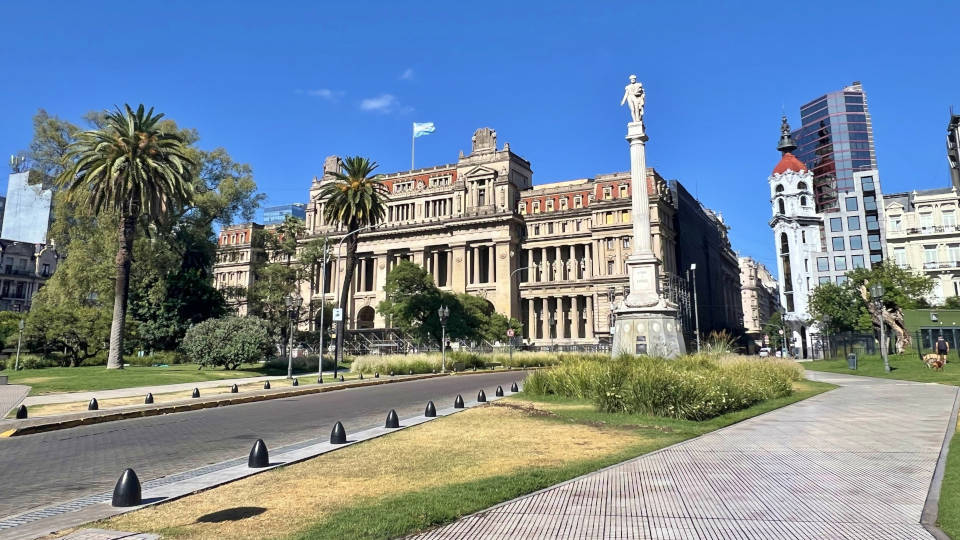
Where to Stay in Buenos Aires: Best Neighbourhoods and Areas
By ANL | UPDATED:
San Telmo offers cobbled charm and bohemian energy, Monserrat places you close to historic landmarks and political heritage, La Boca reflects raw port culture and football identity, while Palermo brings a modern, green and café-driven lifestyle.
Understanding the best areas to stay in Buenos Aires helps travellers match their accommodation to their interests, whether that is history, culture, nightlife or relaxed urban living. This guide explores Buenos Aires neighbourhoods in detail so you can choose the right base for your trip.
Buenos Aires is not a city with a single centre, but a mosaic of neighbourhoods, each with its own pulse, architecture, and social life. Walking through its streets, vibrant markets burst with local flavours, and tree-lined plazas invite you to pause and watch daily life unfold. Where you choose to stay will shape your experience, offering you a unique perspective on the many different sides of Buenos Aires.

La Boca’s conventillos, reflecting the neighbourhood’s immigrant heritage.
Some neighbourhoods immerse you in colonial history, while others introduce you to tango culture, the passion of football, or the creative buzz of cafés. This guide focuses on how different areas feel to stay in, drawing on lived impressions rather than abstract categories. It helps you choose where to stay in Buenos Aires based on pace, vibe, and your personal interests, all while highlighting how the city’s culture comes to life in the everyday interactions of its people.
For those keen to explore Buenos Aires, the experiences below offer thoughtful ways to engage with the city’s culture and beyond.
For a deeper cultural and architectural context to these neighbourhoods, you can explore Buenos Aires’ cultural life in more detail in our guide, Spectacular Things to Do in Buenos Aires: Architecture and Culture.
1. Understanding Buenos Aires Through Its Neighbourhoods
Each barrio in Buenos Aires functions almost like a small city of its own. Neighbourhoods developed around migration, labour, politics, and leisure, and these origins still shape daily routines, architecture, and social interaction. This layered way of reading a city reflects our cultural travel method, which approaches destinations through the interaction of history, architecture, and lived experience. Staying in one area rather than another changes how the city unfolds, which streets are walked repeatedly, and which rhythms become familiar.
A typical street scene in San Telmo, Buenos Aires, reflecting its historic charm.
Monserrat and Avenida de Mayo place you inside the historic and political core, where state buildings, cafés, and monuments structure daily life. San Telmo offers a more bohemian atmosphere, where colonial streets, tango, and markets coexist with residential life. La Boca expresses a rawer identity shaped by port labour and football culture. Palermo reflects a greener, contemporary Buenos Aires defined by parks, cafés, and long afternoons.

A peaceful street scene in La Boca, reflecting everyday neighbourhood life.
Choosing where to stay is therefore less about proximity to sights and more about deciding which layer of the city you want to inhabit.
2. San Telmo: Colonial Streets, Tango, and Bohemian Life
San Telmo remains one of the most atmospheric neighbourhoods to stay in, particularly for first-time visitors seeking cultural depth and a strong sense of place. Cobbled streets, low-rise buildings, and wrought-iron balconies create continuity with the past, while daily life unfolds openly at street level.
If you want to explore San Telmo and nearby districts in more depth, our guide to things to do in Buenos Aires highlights cultural landmarks, tango streets and historic squares.

Market at Plaza Dorrego in the San Telmo neighbourhood.
On Sundays, the area around Plaza Dorrego transforms during the famous feria. Calle Defensa fills with antique stalls, contemporary crafts, street performers, and tango dancers. The market spills through both indoor halls and surrounding streets, creating a lively overlap between commerce, performance, and neighbourhood life. During the week, San Telmo feels calmer and more residential.
The historic indoor market hall, Mercado San Telmo.
Sitting at a café on Plaza Dorrego or Defensa Street, listening to a tango duo while locals engage in animated conversations about football or linger over market stalls, reveals to us how tango belongs naturally to the street rather than to the stage. Performances may be spontaneous or practised, but they are always linked to the spirit of the place. Plaza Dorrego remains one of the most reliable spots to see dancers perform in the open air. We watch as a young family of tango dancers pauses for a quick bite with their little son, before they get ready to take the stage once more.

Plaza Dorrego, a historic square in San Telmo.
San Telmo also offers countless parrilla restaurants, from simple neighbourhood eateries to historic dining rooms. Eating Argentine beef here is closely tied to gaucho tradition and everyday culture. Ordering a bife de lomo or ojo de bife, accompanied by Malbec, becomes part of understanding Buenos Aires through taste as well as sight.

Mafalda and her friends from Quino’s comic, immortalised on a bench in San Telmo.
Cultural references appear throughout the neighbourhood. The six-year-old Argentine comic character Mafalda draws long queues of visitors eager to take photographs with the statue, while souvenirs and shop windows reflect how popular culture blends easily with heritage. One of the best places to see this is at Paseo de la Historieta, where larger-than-life murals and statues of famous Argentine comic characters bring the country’s literary history to life.

Paseo de la Historieta in Buenos Aires, where beloved comic characters come to life.
Staying in San Telmo offers proximity to tango, colonial architecture, and lived culture, making it one of the most characterful barrios in Buenos Aires. A visit to the historic Parroquia de San Pedro González Telmo is a remarkable experience that leaves a lasting impression on us. This colonial church is a unique thread in Buenos Aires’ cultural tapestry and one of the oldest churches in the city.

Parroquia de San Pedro González Telmo, one of the oldest churches in Buenos Aires, located in San Telmo.
3. La Boca: Football, Workyards, and Raw Buenos Aires
La Boca feels unlike any other neighbourhood in Buenos Aires. Shaped by port activity, shipyards and waves of immigrant labour, it developed a strong working-class identity that still defines it today. Brightly painted houses line Caminito, but beyond the famous strip, everyday life continues in quieter streets marked by workshops, murals and tightly knit social life.

Caminito in La Boca, the historic street associated with tango and immigrant culture.
Making our way down towards the old harbour, we begin to sense the area’s distinctive character more clearly. Former warehouses now house galleries, small theatres and antique shops, forming a raw yet creative backdrop to daily routines. Passing several parrillas where asado grills smoke steadily on the pavement, we eventually settle into the traditional restaurant Puerto Viejo, where we enjoy Argentine steaks accompanied by Malbec wine. La Boca reveals itself as a neighbourhood shaped by both its working-class roots and the vibrancy of its artistic and cultural life.

La Boca, a neighbourhood rich in artistic and cultural traditions.
Many of the original settlers came from Genoa, and Italian influence remains visible in food, language, and local taverns. The colourful conventillos, communal housing from earlier times, reflect both poverty and creativity, making La Boca one of the most visually distinctive areas of Buenos Aires.

La Boca’s waterfront, reflecting the neighbourhood’s historic links to port activity.
Caminito functions as an open-air street museum, with murals, stalls and tango performers attracting visitors. Tango appears here too, often performed for tourists, yet still tied to neighbourhood identity. Nearby, Teatro de la Ribera, donated to the city by painter Benito Quinquela Martín, offers affordable tango performances and cultural events rooted in local tradition.

Teatro de la Ribera in La Boca, a theatre closely associated with the neighbourhood’s cultural identity.
Outside the tourist zone, La Boca remains a working-class neighbourhood grappling with social challenges. Streets are uneven, pavements rise to meet doorways, and workshops spill into the open air. Above all, football culture dominates local identity. Football is fully integrated into everyday life here.

Diego Maradona figure in La Boca, honouring the neighbourhood’s football heritage.
La Bombonera stadium, home to Boca Juniors and once the stage for Diego Maradona, stands as a powerful symbol of belonging. Alongside Maradona, the image of Lionel Messi appears everywhere, on murals, shirts, and posters, reinforcing how football heroes are woven into the neighbourhood’s sense of self. Even without attending a match, the presence of football is felt everywhere.
La Boca street scene in front of Boca Juniors’ famous La Bombonera football stadium, with colourful houses and local life.
La Boca works best as a place to visit rather than to stay for most travellers. Accommodation options are limited, and the neighbourhood is best explored during the day. Its value lies in encountering a different layer of Buenos Aires, one shaped by labour, loyalty, and creative expression rather than elegance.
One of La Boca’s colourful streets, full of life and local culture.
4. Monserrat and Avenida de Mayo: Staying Inside History
Monserrat places you directly inside the historical and political core of Buenos Aires. Staying here means beginning each day among grand façades, public institutions, and cafés that have served generations of city residents. In the early hours, delivery carts roll past shuttered doorways, cafés lift their metal blinds, and the streets slowly come to life beneath neoclassical architecture.
Décor and interiors in a historic Art Nouveau hotel in Monserrat.
Avenida de Mayo connects everyday routines with national symbolism. Staying along the avenue allows history to be encountered at close range. We stay in a former Art Nouveau hotel, where high ceilings, stained glass details, and period features turn the act of checking in into an architectural experience. It is a reminder that heritage in Buenos Aires is often lived rather than displayed.
Experience original Art Nouveau charm in our hotel on Avenida de Mayo.
Passing by the historic Café Tortoni, where Belle Époque interiors and Art Nouveau details frame daily conversations over coffee, history feels present rather than distant. At Plaza de Mayo, the Casa Rosada anchors the political landscape, and Eva Perón remains part of the neighbourhood atmosphere, her legacy woven into everyday public life.
La Casa Rosada, seat of the Argentine government in Plaza de Mayo.
Nearby, Avenida 9 de Julio introduces a different scale. The Obelisk dominates the avenue, while the monumental steel portraits of Eva Perón on both sides of the Ministry of Health and the Ministry of Social Development building draw the eye upward. The 31-metre-tall images fold political memory into the everyday cityscape, encountered repeatedly while moving through the area.
The enormous steel portrait of Eva Perón rising above Avenida 9 de Julio.
Monserrat suits short stays and first-time visitors. With excellent transport connections and walkable access to major sights, it allows you to experience Buenos Aires’ historic framework, where architecture, politics, and daily life intersect.
5. Palermo: Green Spaces and Contemporary City Life
Palermo offers a noticeably different rhythm. Wide streets, parks and botanical gardens encourage long walks and unhurried afternoons. Cafés spill onto pavements, and contemporary architecture blends with older residential buildings in an informal, relaxed way.
Avenida 9 de Julio, Buenos Aires, with its grand tree-lined avenue, offers a smooth transition from the city’s bustling heart towards the relaxed, green spaces of Palermo, where café culture and open-air parks define the rhythm of daily life.
Leaving the bustling heart of Buenos Aires, the wide, tree-lined Avenida 9 de Julio leads you through grand, monumental spaces before reaching the calm, green expanses of Palermo, where the pace slows, and café culture thrives.
The neighbourhood of Palermo can be divided into distinct areas, each with its own character. Alto Palermo features large green spaces like the Botanical Garden and cultural institutions such as the Buenos Aires Museum of Modern Art, offering a quieter, more spacious environment. Palermo Chico is known for its elegant mansions, tree-lined streets, and cultural gems like the Museum of Latin American Art of Buenos Aires (MALBA), with a refined atmosphere. Meanwhile, Palermo Viejo is the most vibrant area, with boutique shops, cafés, street markets, and a lively nightlife, creating a bustling energy that defines the neighbourhood’s popular charm.
For a broader overview of cultural attractions across the city, see our guide to things to do in Buenos Aires, which explores architecture, tango and everyday cultural life.

The sculpture Floralis Genérica | Photo: Nick
On weekends, the fairs around Plaza Serrano and Plaza Armenia draw locals more than tourists. The atmosphere is shaped by food, design, and nightlife rather than historic monuments. While Recoleta Cemetery, with its historic and cultural significance, sits nearby in Recoleta, Palermo’s more contemporary, laid-back vibe offers a contrast that suits those preferring a relaxed, vibrant atmosphere.
Palermo is ideal for longer stays, digital nomads, and travellers who prioritise café culture and green spaces over being near famous landmarks. While it lacks the immediate historical density of areas like Monserrat or San Telmo, Palermo reflects contemporary Buenos Aires as it is lived today, making it a vibrant counterbalance to the city’s older districts.
6. How to Choose Where to Stay in Buenos Aires
Choosing where to stay in Buenos Aires depends on how you want to experience the city. The neighbourhood you choose will shape your trip, revealing different facets of the city’s character. Some areas are perfect for short stays or first-time visitors, while others are ideal for longer stays where you can slow down and truly live the Buenos Aires experience.

Monserrat: Messi and Maradona, celebrated football legends in Buenos Aires.
Monserrat and Avenida de Mayo are great choices for short stays or if you are preparing for a cruise. Both are centrally located and offer easy access to major historic landmarks and transportation hubs. Their proximity to the port makes them especially convenient for cruise passengers, offering a quick journey to the docks while still immersing you in the historic and political heart of the city.
For travellers who want to enjoy Buenos Aires at a more leisurely pace, Palermo stands out. It is ideal for longer stays, offering green spaces, vibrant café culture, and a more contemporary feel. It might not be as historic as Monserrat or San Telmo, but it offers a distinct perspective on the city’s lifestyle and modern rhythms.
7. The Right Neighbourhood for Your Stay
Monserrat and Avenida de Mayo work particularly well for pre-cruise stays. Their central locations, well-connected transport options, and proximity to key sights make them convenient and easy to navigate. If you are visiting Buenos Aires for the first time or just passing through, Monserrat and San Telmo offer walkable access to cultural landmarks and local cafés, perfect for those on a short trip.

Avenida 9 de Julio – Eva Perón’s portrait on the Ministry of Health and the Ministry of Social Development building, Monserrat.
Meanwhile, Palermo is an ideal choice for longer stays or digital nomads. With its relaxed pace, expansive parks, and vibrant street culture, it is a neighbourhood favoured by those who wish to slow down, enjoy green spaces, and explore the city’s contemporary life. Palermo Viejo, with its boutique shops and lively nightlife, offers a dynamic experience that stands in striking contrast to the quieter, more historic areas nearby.
Frequently Asked Questions
What are the best neighbourhoods to stay in Buenos Aires?
The best neighbourhoods include San Telmo for historic charm, Monserrat for central access, Palermo for modern city life, and La Boca for cultural identity. Each area offers a distinct way of experiencing the city.
Which area is best for first-time visitors?
Monserrat and San Telmo are ideal for first-time visitors due to their central location and strong cultural offering. Both are walkable and provide easy access to major landmarks.
Which areas are considered safest to stay in Buenos Aires?
Palermo and Recoleta are generally considered the safest areas for visitors. They have strong tourist infrastructure, active street life, and well-maintained public spaces.
How many days should I stay in Buenos Aires?
A stay of three to five days is usually enough to explore key neighbourhoods and major attractions. Longer stays allow for a deeper experience of local life and culture.
Where should I stay in Buenos Aires before a cruise?
Monserrat and Avenida de Mayo are the most convenient areas before a cruise due to their central location and easy access to the port. They also offer good transport links and nearby sights.
How do I get around Buenos Aires between neighbourhoods?
Buenos Aires has an extensive public transport system including buses, the subway, and taxis. Many central neighbourhoods are also easily walkable.
What is the best area for nightlife in Buenos Aires?
Palermo is the main nightlife hub with bars, clubs, and late-night cafés. San Telmo offers a more traditional atmosphere with tango shows and live music venues.
For a deeper look at Buenos Aires’ cultural life, see our guide: Cultural Activities in Buenos Aires: Architecture, Culture and the City’s Soul. If you would like to understand how we interpret destinations through overlapping historical and cultural layers, you can explore our cultural travel method, which forms the foundation of our approach to cities like Buenos Aires.
Read next
Santiago de Chile Travel Guide
