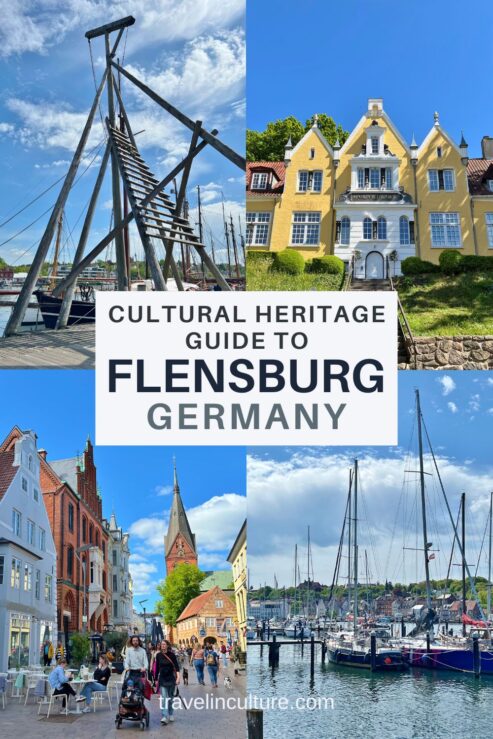




Flensburg: West Indian Trade, Historic Ships and Maritime Sightseeing
By ANL | UPDATED:
This Flensburg sightseeing guide explores the city’s maritime history, from its sailing ships and wooden harbour infrastructure to its fishing quarters and cultural museums. Whether you are interested in Flensburg harbour, historic trade routes, or authentic coastal heritage, the city offers a compact but richly layered experience that connects past and present in a uniquely atmospheric way.
Take the time to explore Flensburg’s fascinating history, and you will soon understand why the city’s maritime heritage has gained renewed attention in recent years – and how its maritime cultural roots continue to surface throughout the city.
To understand how Flensburg fits into a broader structured travel approach across Europe, you can follow our cultural travel method, which helps you plan efficient and meaningful heritage-focused itineraries.
Are you looking for the best places to stay in Flensburg? Here are the top picks close to the historic harbour and city centre.
1. Introduction: Flensburg – A Modern City with a Rich Maritime and Fishing Heritage
Flensburg is a modern city located at Flensburg Fjord, with a charming harbour, maritime museums, and a variety of cultural attractions. Its vibrant old town features a pedestrian street lined with shops and historic buildings, along with idyllic inner courtyards and former packhouses. Taking a closer look at the older buildings reveals how history naturally blends with modern life and tourism.
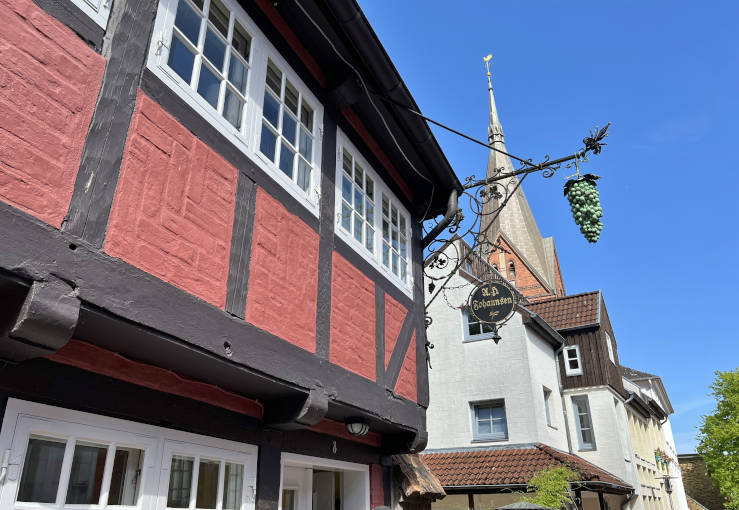
Johannsen Rum House.
Standing at Flensburg’s harbour, we cannot help but imagine the many ships that once sailed to and from the East Indies, carrying rum and spices. Today, remnants from this era remain as rum houses and restored warehouses, standing as witnesses to the golden age – the city’s heyday. As one of Flensburg’s tourist brochures describes: ‘The gold of the Caribbean made Flensburg both wealthy and famous’.
There is no doubt that Flensburg’s maritime roots have shaped the city into what it is today. It might not be obvious at first glance, but if you look a little closer, sightseeing in Flensburg becomes a journey through its fascinating seafaring past. Kiel also boasts a rich maritime history – explore more in Maritime Kiel.
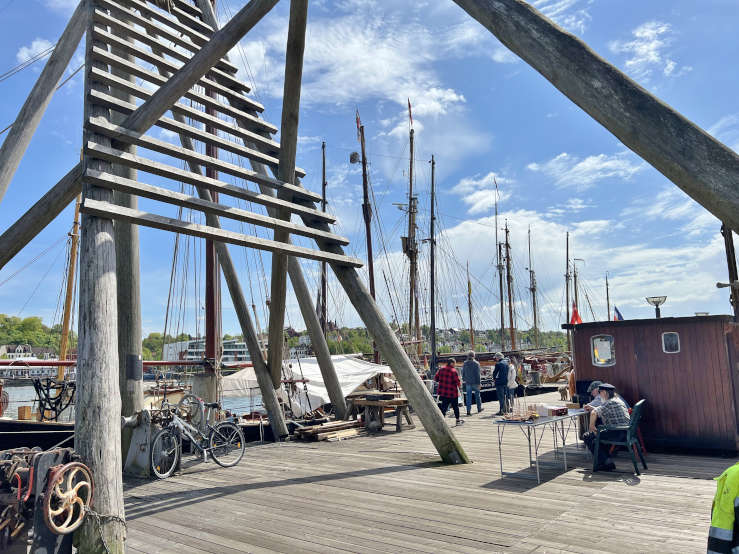
Flensburg’s wooden ship harbour.
2. What Was the West Indian Trade in Flensburg
Flensburg’s harbour still echoes its maritime heritage. As we stand outside one of the old rum houses, we imagine the hustle of 18th-century traders unloading spices and spirits from ships, as described at the Maritime Museum.
Flensburg was Danish for over 400 years and was therefore part of the Danish colonial empire, which, among other things, sailed to the Danish West Indies (St. Thomas, St. John, and St. Croix – modern-day U.S. Virgin Islands). In the 18th century, the city became one of the most important ports for trade with the West Indies, from where they brought back cane sugar and rum.
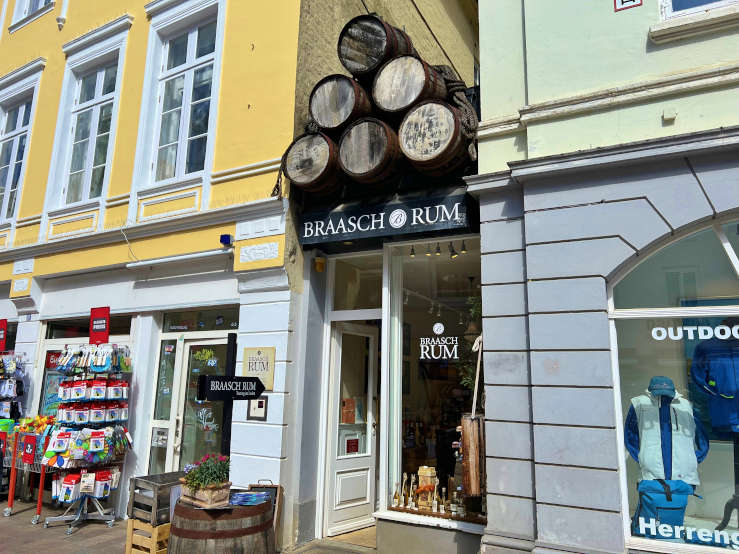
The Wein- und Rumhaus Braasch is one of the few remaining rum houses in Flensburg.
In the following centuries, rum producers in Flensburg further refined the Caribbean rum in the so-called rum houses. The rum houses were central to the local economy, with some even developing secret recipes that became local treasures. Although the number of rum houses has decreased over the past decades – from around 25 just 50 years ago – a handful remain in the city today as cultural landmarks, including the Wein- und Rumhaus Braasch.
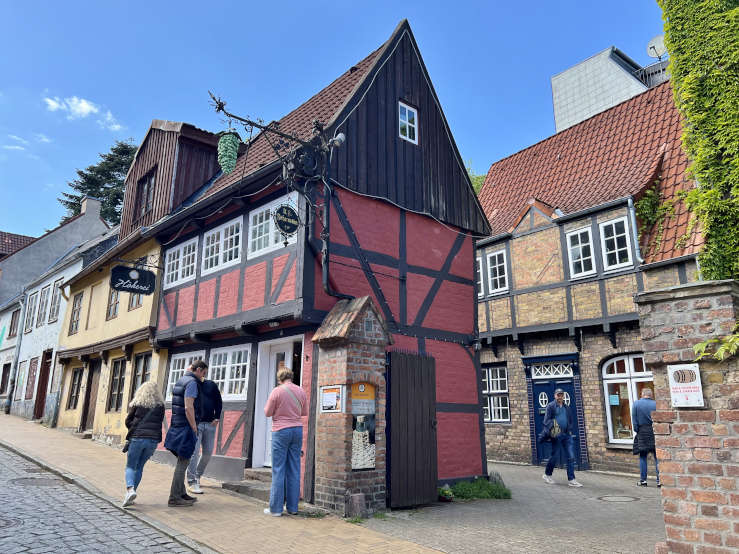
Johannsen Rum House, the oldest rum house in Flensburg still in operation.
Strolling along the pedestrian street, we immediately spot ‘Braasch Rum’, tucked between the modern shops. This continues the original rum tradition, with Walter Braasch carrying on an adapted old recipe, having created a ‘classic rum’. In another side street, we come across another of the old rum production houses in Marienburg, ‘Johannsen Rum’, the oldest rum house in Flensburg still in operation.

A renovated packhouse dating back to the West Indian trade era.
The historic packhouses, once used to store goods such as sugar, rum, and spices from the Danish West Indies, have been carefully preserved and stand as enduring symbols of Flensburg’s maritime trading past. Some, like the ‘Vestindenpakhus’, have been thoughtfully renovated and now serve as residential and office spaces.
3. Historic Ships and Harbour

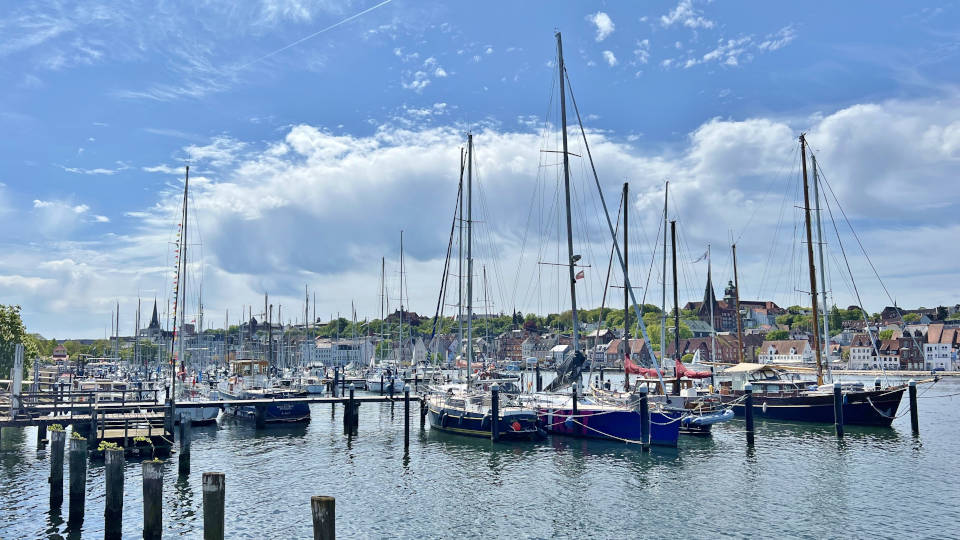
Flensburg Harbour.
As a tribute to Flensburg’s centuries-old rich history as a vital trading and seafaring hub, the harbour today is alive with a fleet of wooden ships reflecting the city’s maritime heritage. Alongside meticulously restored vessels, newly crafted ships set sail for scenic cruises, harbour tours, and vibrant cultural events. These majestic wooden ships stand as living symbols of Flensburg’s captivating nautical past and attract locals and visitors alike.
Another major northern German port with a strong naval identity is Kiel, which also reflects deep maritime traditions in its waterfront and museum culture, as explored in our guide to Maritime Kiel.
Walking through the harbour to see the historic ships, we try to imagine the bustling ships that once sailed here, laden with rum and spices. Several museums showcase Flensburg’s maritime legacy, linking its colonial past with the vibrant present-day cityscape and harbour life.

The salon steamer Alexandra, built in 1908.
One of the harbour’s highlights is the salon steamer Alexandra, built in 1908, and the only passenger ship in Germany still fired by coal. Watching the dusty coal being wheeled on board in traditional barrows is like a scene from another era. The nearby Maritime Museum and museum shipyard offer a rare insight into how the historic ships were built.
Another unique structure is the historic hand-operated wooden crane, once used to load and unload goods from ships. This heritage piece dates to 1726, when the harbour’s operations relied entirely on manual labour and simple mechanisms.
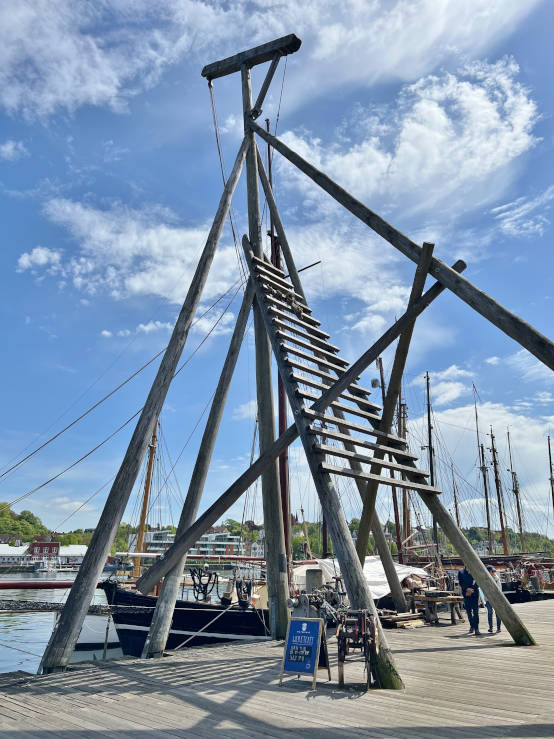
The historic hand-operated wooden crane at Flensburg’s wooden ship harbour.
4. Fishing Heritage and Tradition
Flensburg is also a city of fishing history and tradition. Fishing for herring, cod, and flatfish in the Flensburg Fjord and the Baltic Sea was once a common occupation. Local families fished from small boats and sold their fresh catch at the harbour and the town’s markets.
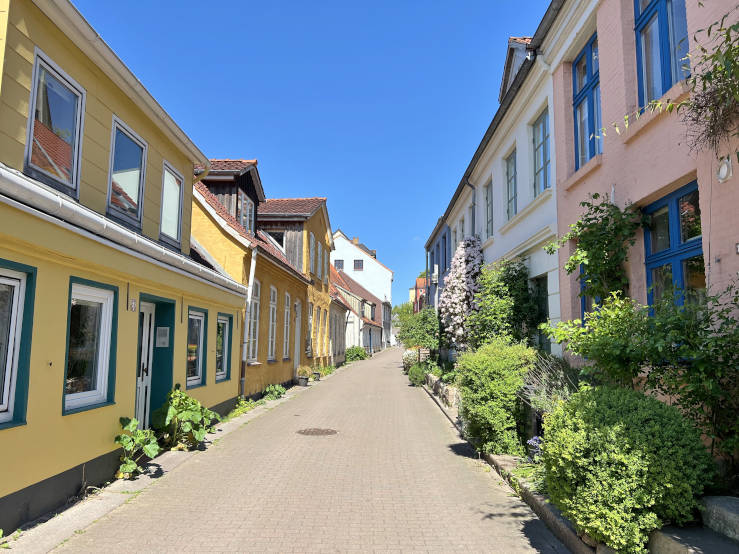
The historic fishing quarter of Sankt Jürgen.
On the east side of the fjord lies the historic fishing quarter of Sankt Jürgen, which still feels like a small village community. Strolling along the main lane reveals an authentic setting with small fishermen’s cottages and former smokeries. It is a charming, old maritime working-class district, with a history that reflects the harsh realities of fishing life.

Margarethenhof, the historic fishing quarter of Sankt Jürgen.
While steeped in fishing history, the area on a sunny day reveals a peaceful, picture-postcard charm, with vibrant houses and tranquil lanes full of atmosphere. Looking out over the city, it becomes clear how centuries of maritime trade and fishing have helped shape Flensburg’s identity.
5. Sightseeing: What to See and Do in Flensburg
Beyond shopping on the pedestrian street, dining in one of the charming restored inner courtyards or the historic Hansen’s Brauerei – or simply sitting at a sidewalk café soaking in the atmosphere of this old Danish trading town, it is rewarding to combine your visit with cultural sightseeing that offers insight into Flensburg’s historic role.
Several maritime museums, such as the Maritime Museum, Rum Museum, and the Museum Harbour & Shipyard, offer a vivid insight into Flensburg’s past as a rum trading city and a key maritime hub between Denmark and the West Indies. There are also historic walking and harbour tours, both on foot and by boat.
If you are interested in more river-based and coastal heritage journeys in Germany, you may also enjoy our guide to Exploring the Moselle Valley for a contrasting inland waterway experience.
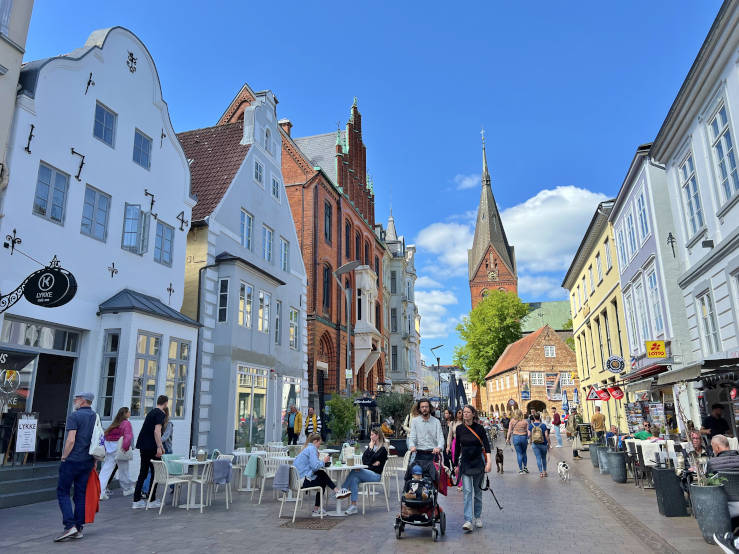
Flensburg’s pedestrian street.
To showcase the city’s heritage attractions, several captivating self-guided walking tours lead you past historic ships, atmospheric warehouses, and key landmarks along the waterfront and through the heart of the city. Two popular routes are the Rum and Sugar Route and the Captain’s Route. Complementing these cultural sights, the old town’s charm is beautifully enhanced by the maritime atmosphere and idyllic scenery along the fjord. To complete the sightseeing and truly feel the city’s unique blend of old and new, you will want to take a stroll along the waterfront at sunset on a warm summer day.
Frequently Asked Questions
What is Flensburg known for?
Flensburg is known for its maritime heritage, historic harbour, and its role in the West Indian rum and sugar trade. The city also reflects strong Danish cultural influences.
Is Flensburg worth visiting for sightseeing?
Flensburg is worth visiting for its compact old town, waterfront atmosphere, and well-preserved maritime landmarks. It offers a mix of history, culture, and coastal scenery.
What can you see at Flensburg Harbour?
Flensburg Harbour features historic wooden ships, restored warehouses, and a hand-operated crane. It is also home to museums and cultural walking routes.
What is the West Indian trade in Flensburg?
The West Indian trade refers to Flensburg’s historical shipping connections with the Danish West Indies, from where sugar and rum were imported. This trade shaped the city’s economy and rum industry.
Are there still rum houses in Flensburg?
Yes, a few traditional rum houses still exist in Flensburg today. They preserve and continue the city’s historic rum production and trading traditions.
What is the best way to explore Flensburg’s history?
The best way is to follow self guided walking routes such as the Rum and Sugar Route or the Captain’s Route. These paths connect key maritime and cultural landmarks.
How much time do you need in Flensburg?
One to two days is enough to explore Flensburg’s old town, harbour, and museums. A longer stay allows for deeper cultural and coastal exploration.
Ready to explore Flensburg’s seafaring past? Plan your visit now! Find a convenient hotel, and if you have time, be sure to stop by the harbour, explore a historic ship, visit a rum house, and discover other historic buildings along the way.
For more inspiration for what to do along the waterways in Germany, you may want to read Explore Moselle Valley on a River Road Trip
Read next: Iconic Glendalough Monastery in the Wicklow Mountains, Ireland and Visit Spectacular Greenland