




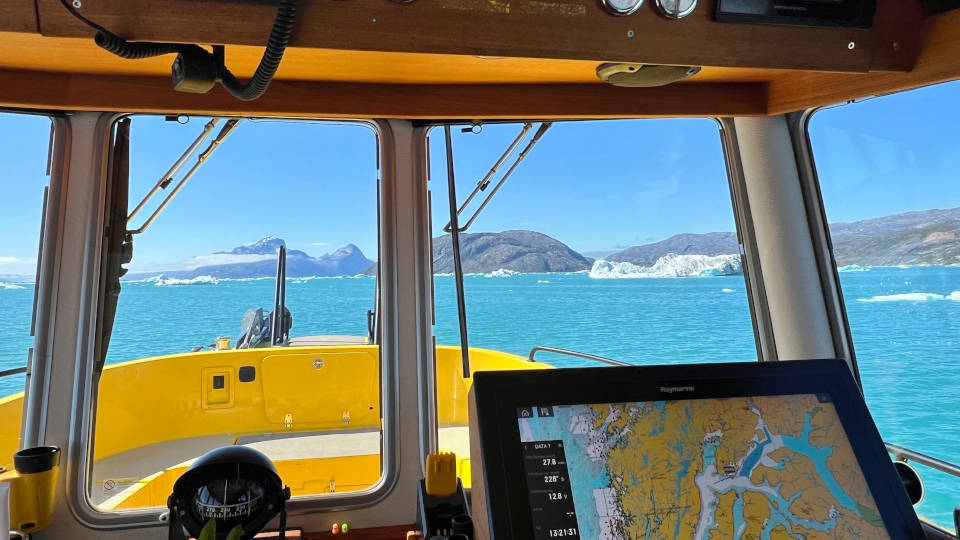
Visit Greenland: Inuit Culture, Danish Heritage & Arctic Ice Landscapes
By ANL | UPDATED:
1. Ice Fjords & Inland Ice
2. Inuit Culture & Traditions
3. Danish Colonial Heritage
4. Visit Greenland (Nuuk, Ilulissat, Kangerlussuaq)
Travellers come to visit Greenland for the Ilulissat Icefjord, the Greenland ice sheet, and authentic Inuit culture rooted in hunting, storytelling, and community life. At the same time, Danish colonial history and modern Greenlandic society exist side by side, creating a unique cultural balance across towns such as Nuuk and Ilulissat. This guide explores the landscapes, traditions, and key destinations that define Greenland travel.
Greenland is the epitome of arctic heritage – framed by the ice fjords and the immense inland ice, along with its unique wildlife that shapes the Arctic way of life. You cannot help but feel a sense of excitement before you even set foot on Greenlandic soil and visit the vast island, reachable by flying to Kangerlussuaq or Nuuk.

The abandoned settlement Qoornoq near Nuuk.
From seal hunting and dog sledging to kayaking and storytelling in the local communities, Inuit society in Greenland is based on a tradition of spiritual life and symbolic practices – deeply rooted in a culture that existed long before the Danish seafarers arrived and introduced Christianity.
A deeper understanding of Greenland is best approached through a cultural lens, using a structured travel perspective as explained in our guide to cultural travel methods.
Where to Stay in Nuuk and Ilulissat
With growing interest in the Greenlandic capital and new international flights, accommodation can be limited, especially in peak seasons. For an extraordinary stay, consider booking accommodation in central Nuuk – where, in certain seasons, you might catch sight of small icebergs gliding through the fjord just outside your window, or enjoy superb views of the city and surrounding mountains. You may wish to consider one of the hotels listed below, each offering an excellent location.
Exploring Greenland is unlike visiting any other destination. Standing on the edge of a fjord, ready to enter this striking landscape, you sense both the ancient presence of nature and a land shaped by the stories and spirits of Inuit culture. In Greenland, you have the opportunity to explore the spectacular Arctic terrain, from the vast inland ice to Inuit settlements, while gaining insight into the indigenous way of life and the country’s transformation through Danish influence and culture.
If you choose to visit the capital of Greenland, you will have the opportunity to experience its spectacular landscapes and seascapes, for example, on an Ice Fjord cruise.
1. Ice Fjords & Inland Ice
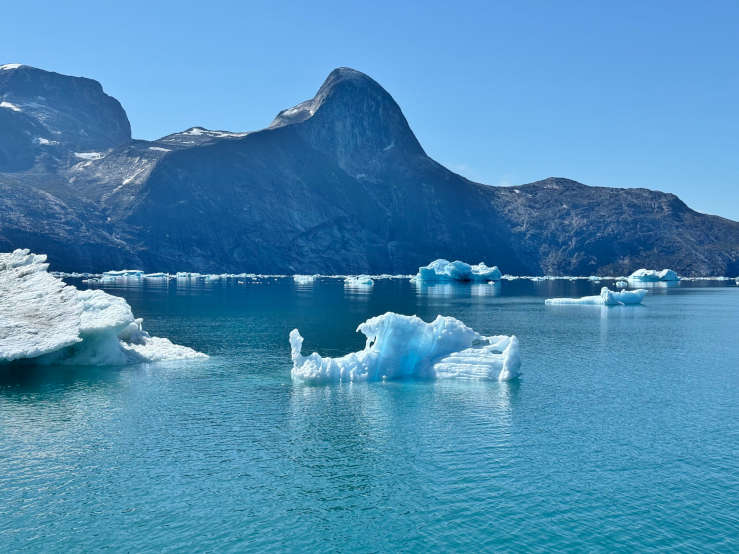
Photo: Travel In Culture
One cannot help but be overwhelmed by the grandeur and richness of Greenland’s natural resources when visiting the world’s largest island – geographically part of North America, but politically part of the Kingdom of Denmark.
As soon as we step off the plane, we feel the difference in the air – a sharp, crisp chill that immediately tells us it is colder than where we have just come from. Even in summer, the air feels fresh and almost wintry, making us excited for the adventure ahead.
With a land covering 1.7 million square kilometres of inland ice – the second-largest ice sheet in the world after Antarctica – and stunning fjords winding through mountainous regions, it is clear that an extraordinary natural experience awaits.

Photo: Travel In Culture
Greenland is home to some of the world’s most stunning fjords. Scoresby Sund, the largest fjord system, is known for its dramatic cliffs and glaciers. Ilulissat Fjord, a UNESCO World Heritage site, is famous for the Jakobshavn Glacier and the icebergs that float around. In the south, Kangerlussuaq Fjord serves as a gateway to the inland ice sheet, offering unique opportunities to explore the inland ice. Furthermore, Nuuk boasts Greenland’s second-largest fjord system.
A boat trip towards the ice cap during our visit to Nuuk surpasses all our expectations! The Nuuk Fjord, with its deep waters, is exceptionally scenic and consists of multiple smaller fjords and glacial systems that feed into it. In some places, it reaches a depth of up to 1,000 metres. The fjord features a remarkable mix of glaciers and wildlife.
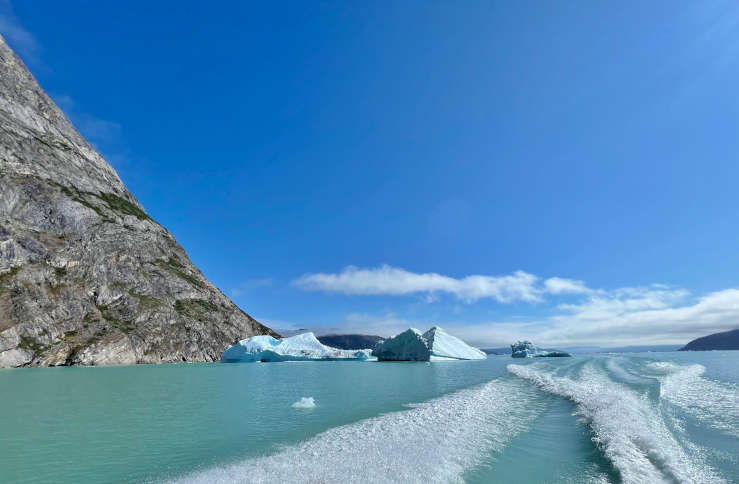
Photo: Travel In Culture
Passing the 1,200-metre-high bird cliffs – teeming with birdlife – in one of the fjord’s arms, we observe for ourselves how wildlife has uniquely adapted to the Arctic environment. It is a pleasure to cruise along in a gentle slalom between the small icebergs in all shades of white and blue. Where the ice is denser, we navigate slowly, and in the more open parts of the fjord, we pick up speed and move along at a brisker pace.
2. Inuit Culture & Traditions
Across Greenland’s towns and settlements, traces of traditional cultural values can be seen in jewellery, garments, and artworks that reflect the country’s rich cultural heritage.

Mother of the Sea statue.
In Nuuk’s shops, you will find a selection of traditional art, including tupilaks, jewellery, tools, and clothing made from musk oxen. There is also clothing and footwear made from sealskin – one of the most accessible materials for the Inuit – crafted to a quality that could (and still can) protect against the cold. All the materials relate to ancient Inuit culture and reflect the wildlife and natural resources of the Greenlandic landscape.

Kangerlussuaq landscape.
Spiritual life has always played a significant role in Inuit culture. Inuit spirituality centres around animism, nature spirits, and – perhaps most importantly – respect for the majestic natural world. Storytelling is also a vital and central element of Inuit culture, used to pass down history and traditions through oral tales and narratives.
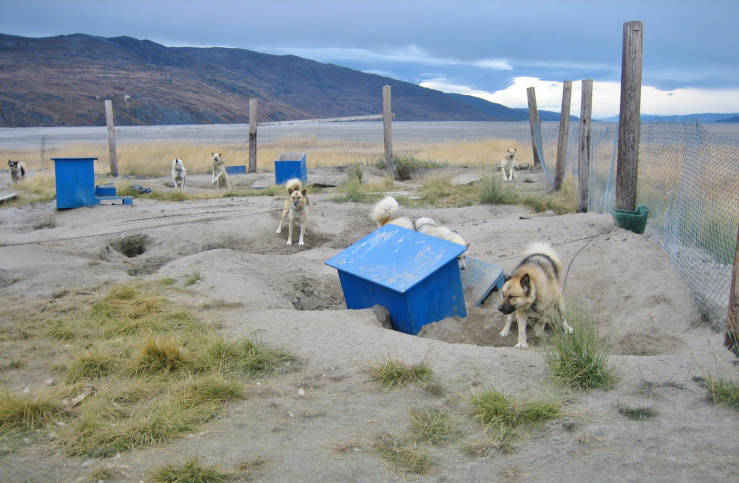
A visit to the sledge dogs in Kangerlussuaq, Greenland.
Among traditional skills, seal hunting has long been essential to Inuit life and cultural practices, and it remains a key discipline for the hunters at sea. Dog sledging is another important part of the cultural heritage of Greenland’s Inuit people, and we enjoy the chance to visit a local dog team up close. Using dogs to pull sledges is a natural and traditional element in the Indigenous way of life, especially in Arctic regions.

Kangerlussuaq Harbour.
Transport has traditionally taken place by boat, which remains the preferred method for moving goods between Greenlandic settlements. Kayaking, too, is an ancient Inuit practice, still used by some hunters today for both travel and hunting.
3. Danish Cultural Heritage

Hans Egede Statue.
The Danish presence in Greenland dates back to the early 18th century, when the missionary Hans Egede arrived in 1721 in search of the lost Norse settlements. This marked the beginning of Denmark’s colonisation of the island – a presence that gradually extended into religion, trade, and administration. Danish seafarers and missionaries brought Christianity with them, and Hans Egede, in particular, left a lasting mark as both the founder of the colony and a driving force behind the introduction of the Danish language and Christian faith into the Inuit world.
We stop by his statue, gazing out across the Nuuk Fjord. He was the beginning – and today, he stands as a symbol of a time when religious life changed, and the original spirituality gave way to new systems and values.

The Church of Our Saviour (Cathedral).
Over time, Danish influence left a deep imprint on Greenlandic society through the establishment of a formal education system, the introduction of modern governance, and architectural expressions still visible in certain buildings and churches today. Yet Greenland preserved its cultural identity, with Inuit traditions, storytelling, and ways of life continuing despite external pressures.
Today, the two cultures exist side by side and shape society together: one can see Danish and Lutheran churches standing close to places showcasing Inuit art and craftsmanship, while the Greenlandic language lives alongside Danish in both public institutions and daily life. There is even a growing tendency in some contexts to prioritise the Inuit cultural heritage – for example, by returning to original Greenlandic place names, such as using Nuuk instead of the Danish Godthåb.

Photo: Travel In Culture
Greenland never became merely an extension of Denmark. Despite external influences, the country preserved its cultural identity. Inuit traditions, storytelling, and ways of life have endured – and continue to thrive today. In 1953, Greenland became an integral part of the Kingdom of Denmark, and in 1979, it was granted home rule, followed by self-government in 2009. The relationship between Greenland and Denmark remains intertwined – shaped by both historical weight and modern cooperation – but also by a shared, living identity.
In Nuuk, you will notice many places where Inuit and Danish cultures exist side by side. We see Danish retail chains and supermarkets alongside Greenlandic-owned grocery stores and Inuit-owned shops – and even the local market, Kalaaliaraq (Brættet), where hunters offer their fresh catch of fish and wild game for sale. In everyday life, the two cultures go hand in hand.

Photo: Travel In Culture
It must nevertheless be acknowledged that, even in past decades, there were regrettable attempts from the Danish side to influence and dominate aspects of Greenlandic society and culture – policies that left a lasting impact on the Inuit population. However, in recent years, there has been a growing focus on reconciliation and on addressing those historical wrongs, with an increased commitment to equality and cultural respect.
During our visit to Nuuk, we see for ourselves how Greenlanders are a proud people and how Danish and Inuit cultures exist side by side, in everything from language and faith to architecture, cuisine, and everyday life.
4. Visit Greenland (Nuuk, Ilulissat, Kangerlussuaq)

Kangerlussuaq Airport.
Until recently, visiting Greenland typically involved a stopover in Kangerlussuaq. However, the newly expanded Nuuk Airport now serves as an international gateway, offering direct flights to the capital from Iceland, Denmark, and the United States (New York). This development has made it considerably easier to visit Nuuk, the cultural, educational, and political heart of Greenland. For a deeper experience of the capital, explore our guide to things to do in Nuuk, Greenland, including ice fjord cruises and cultural highlights.

The new international airport in Nuuk, Greenland.
Ilulissat is also a true bucket-list destination – renowned worldwide for its towering icebergs drifting by and offering an outstanding opportunity to experience one of Greenland’s most spectacular ice landscapes. These immense icebergs calve from the nearby Jakobshavn Glacier and slowly drift through Ilulissat Icefjord, a UNESCO World Heritage site. Many of them are truly colossal, towering high above the water.
Ilulissat is one of Greenland’s most remarkable destinations, and you can explore more ideas in our guide to Arctic experiences in Greenland’s key travel regions.

Photo: Travel In Culture
With excellent flight connections, Kangerlussuaq, the traditional gateway to Greenland, makes it easy to visit the vast inland ice. Including this small settlement alongside Nuuk or Ilulissat in your Greenland visit is definitely also worth considering for a unique ice cap and Arctic landscape experience.
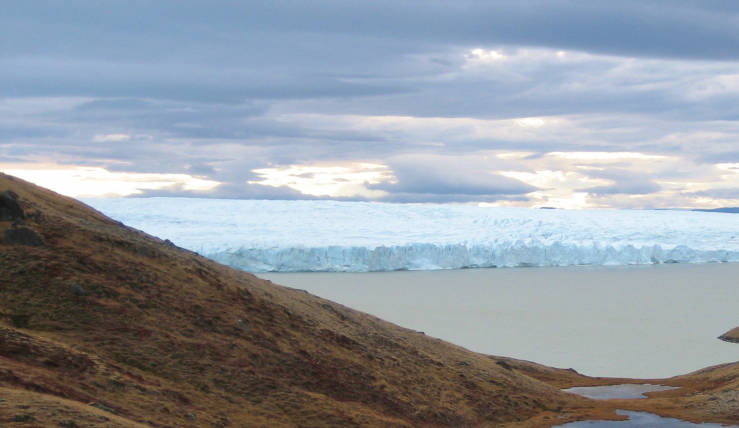
Visit the ice cap at Kangerlussuaq, Greenland.
Kangerlussuaq itself lies at the end of a deep-cut fjord that slices well into Greenland’s interior. Although the settlement is largely built around its airport, it is well worth a visit. Here, the landscape shifts dramatically – from stark Arctic desert plains to gently vegetated mountain slopes. You might spot musk oxen grazing in the distance, stand silently as glaciers creak and groan, or simply take in the sweeping views, framed by the towering wall of the inland ice sheet.
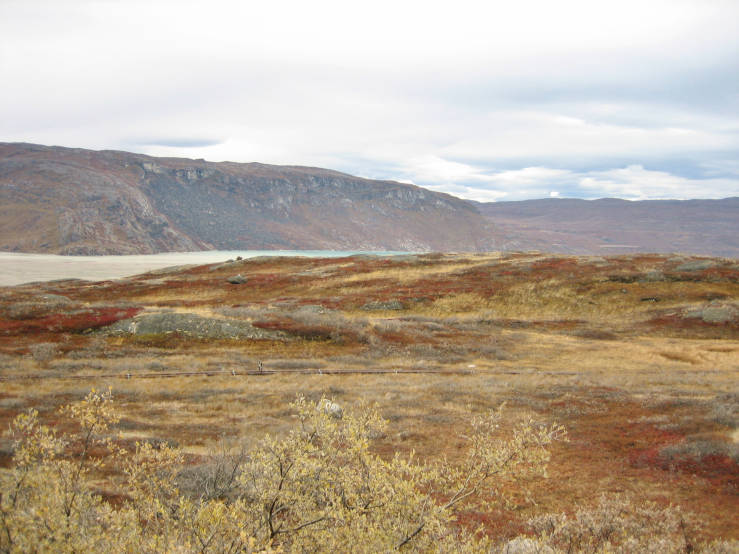
Upon arriving in Greenland, you can visit the scenic surroundings of Kangerlussuaq.
One of the lesser-known gems of Kangerlussuaq is the fossil plain along the fjord, a muddy, ancient landscape that connects your visit with Greenland’s prehistoric past. The sheer number and concentration of fossils here is outstanding – we find hundreds, quite literally scattered everywhere around us. Just one lump of clay reveals dozens of fossils when we rinse it under running water!
Whichever part of Greenland you visit, the Inuit roots and culture are unmistakable – and the extraordinary natural environment is nothing short of breathtaking – particularly the vast, ice-sculpted landscapes that fringe the coastline.
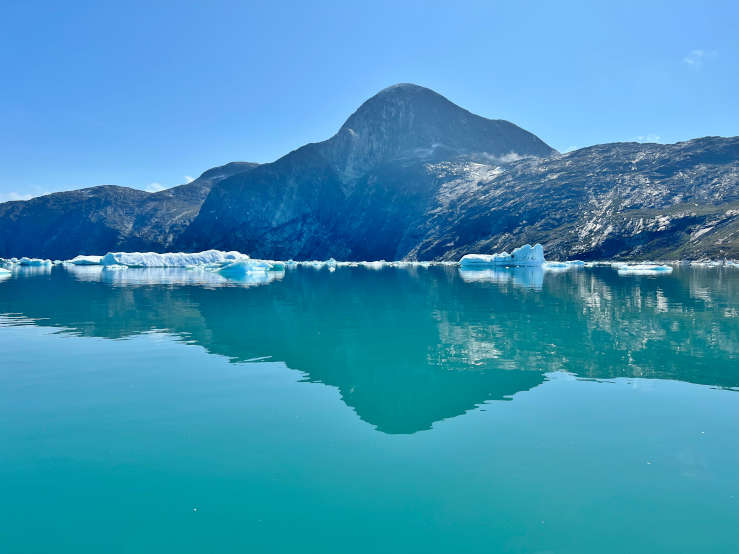
Photo: Travel In Culture
Taking a tour into the ice fjords is an unforgettable experience. As we cruise among the smaller icebergs in Nuuk’s fjord system, we can almost feel how millions of years have compressed the ice into the bluish structures rising from the fjord. While around 90 per cent of the white icebergs lie hidden beneath the surface, the figure rises to 95 per cent for the blue ones – due to their higher density. And the fully compressed black ice? It rests just at the water’s surface, ready to be scooped up and used as a crystal-clear ice cube in a drink.

Waterfall flowing from the Sermitsiaq Glacier on Sadelø.
Whether you are drifting through the glassy waters of Nuuk’s ice fjord or venturing into the dramatic hinterland of Kangerlussuaq, the scale and stillness of the landscape are nothing short of awe-inspiring: the chill in the air, the crunch of permafrost beneath your boots, and the occasional crack of a calving glacier when you reach the ice edge. For us, moments like these were definitely some of the outdoor highlights of our trip.
Frequently Asked Questions
What is the best time to visit Greenland?
The best time to visit Greenland is from June to September for milder weather, hiking, and fjord cruises. Winter is ideal for dog sledging, northern lights, and Arctic scenery.
Can you see icebergs all year round in Greenland?
Yes, icebergs can be seen year round, especially in Ilulissat Icefjord. Summer offers the best access by boat, while winter provides dramatic frozen landscapes.
What is Inuit culture in Greenland?
Inuit culture in Greenland is based on hunting traditions, storytelling, spirituality, and close connection to nature. It remains a central part of daily life in many communities.
Is Nuuk worth visiting in Greenland?
Nuuk is worth visiting for its museums, fjord scenery, and cultural life. It also serves as the main gateway for exploring Greenland’s southwest region.
What is Ilulissat known for?
Ilulissat is known for Ilulissat Icefjord, a UNESCO World Heritage site filled with massive icebergs. It is one of the best places in the world to see active glacier calving.
How do you travel between towns in Greenland?
There are no roads between towns in Greenland, so travel is mainly by plane, helicopter, or boat. Domestic Air Greenland flights connect key destinations such as Nuuk, Ilulissat, and Kangerlussuaq.
What is Kangerlussuaq used for?
Kangerlussuaq is an important transport hub and gateway to the Greenland ice sheet. It is also known for wildlife viewing and access to inland ice tours.
Is Greenland safe for tourists?
Greenland is considered very safe for travellers with low crime rates. The main challenges are weather conditions and remote geography rather than safety concerns.
Do you need a guide to explore Greenland?
A guide is recommended for ice fjord cruises, glacier hikes, and inland ice tours. Guided experiences ensure safety and provide deeper cultural and environmental understanding.
For inspiration on what to do in Nuuk, you may want to read our guide: 7 Best Things to Do in Nuuk
Read next: Iconic Glendalough Monastery in the Wicklow Mountains, Ireland and Flensburg: West Indian Trade, Historic Ships & Sightseeing
