




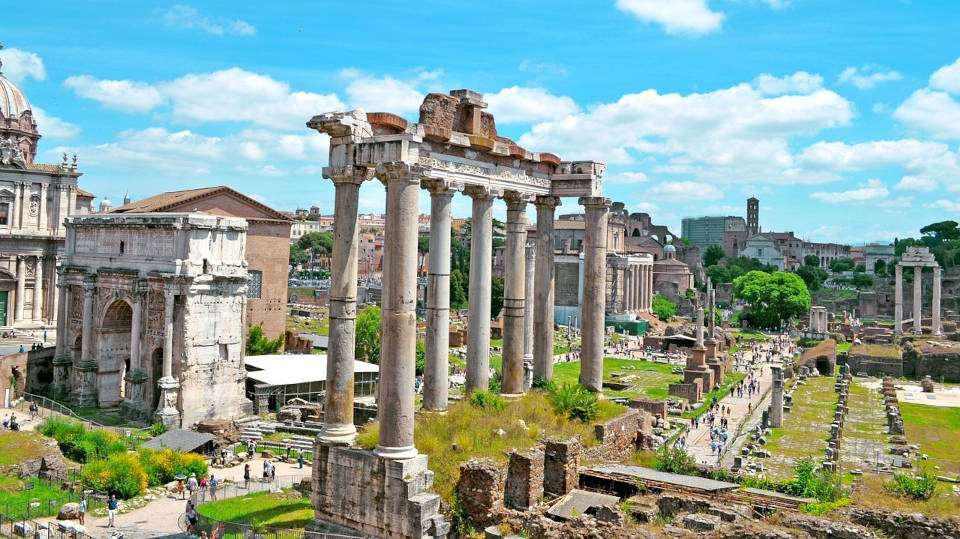
Italy Travel Guide: Cities, Regions, Culture and Itineraries
By ANL | UPDATED:
🏛️ Tuscany Travel Guide
🎨 Florence Travel Guide
🏰 Rome Travel Guide
🚤 Venice Travel Guide (coming soon)
1. Explore Italy Through Its Cities and Culture
Italy is one of Europe’s most rewarding destinations, combining ancient history, Renaissance art, regional traditions, and some of the world’s most celebrated cuisine. From grand cities filled with architectural treasures to hill towns surrounded by vineyards and olive groves, Italy offers an extraordinary variety of travel experiences.
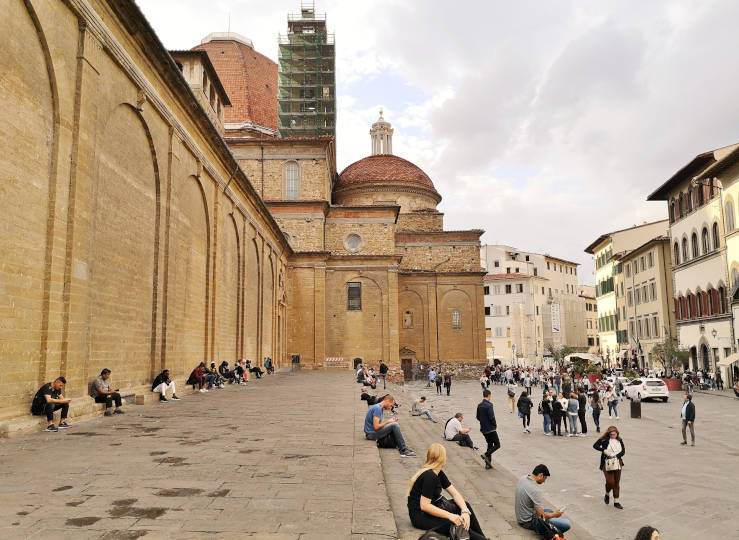
Florence, the cultural heart of Tuscany and one of Italy’s most important Renaissance cities.
Each region has a distinct identity. The atmosphere of Florence differs from that of Rome, Venice, Naples, or Sicily, while smaller towns often preserve traditions that have shaped local life for centuries. Exploring Italy is not only about visiting famous landmarks but also about discovering regional culture, food, art, and everyday life.
This guide brings together destination guides, cultural insights, and practical travel planning advice to help you explore Italy in a more meaningful way.
Begin your journey in Tuscany, one of Italy’s most culturally rich regions, with Florence as the primary base for Renaissance art, historic towns, and regional exploration. The Tuscany Travel Guide introduces Renaissance cities, medieval hill towns, and countryside landscapes that define one of Italy’s most iconic regions. From there, this hub will continue to expand with guides to other Italian destinations, cultural experiences, and structured travel itineraries across the country.
2. Discover Italy’s Regions and Cities
Italy is best explored through its regions, each offering distinct traditions, cuisine, architecture, and landscapes. Travelling between regions often feels like travelling between different countries, with noticeable variations in history, culture, and local identity.
From the Renaissance cities of Tuscany and the classical heritage of Rome to the canals of Venice and the coastal scenery of southern Italy, each region reveals a different side of Italian life.
🏛️ Central Italy → Renaissance cities, hill towns, and cultural landscapes in Tuscany and Lazio
🚤 Northern Italy → Venice, Milan, Bergamo, Lake Como, Alpine scenery, and historic trading cities
🍋 Southern Italy → Naples, Pompeii, the Amalfi Coast, and Mediterranean traditions
🌋 Italian Islands → Sicily and Sardinia with unique regional identities, archaeology, and coastal scenery
🚆 Best explored by → high-speed trains, regional railways, and local transport networks
| Region | Best known for | Key destinations |
|---|---|---|
| Tuscany | Renaissance art, hill towns, vineyards, and cultural landscapes | Florence, Siena, San Gimignano, Volterra, Lucca |
| Lazio | Ancient Rome, Vatican City, and classical heritage | Rome, Tivoli, Ostia Antica |
| Veneto | Canals, Renaissance architecture, and northern Italian culture | Venice, Verona, Padua |
| Campania | Archaeology, coastal scenery, and southern Italian traditions | Naples, Pompeii, Amalfi Coast |
| Lombardy | Fashion, business, art, and lakeside destinations | Milan, Lake Como, Bergamo |
| Sicily | Ancient civilisations, cuisine, and Mediterranean culture | Palermo, Syracuse, Taormina, Mount Etna |
One of the most rewarding regions to explore is Tuscany, a region renowned for its Renaissance heritage, rolling hills, vineyards, and historic towns. Florence forms the cultural heart of Tuscany, offering world-famous art, architecture, and centuries of history. See our Florence Travel Guide for a complete introduction to the city. Beyond Florence, destinations such as Siena, Lucca, San Gimignano, and Volterra reveal different aspects of Tuscany’s cultural heritage, medieval traditions, and local character.
Within Tuscany, visitors can explore Renaissance masterpieces, medieval streets, traditional food culture, and scenic landscapes. The region is also ideal for structured itineraries and day trips, making it one of the most accessible introductions to Italy.
For a broader view of planning routes within the region, see our Tuscany Travel Guide.
Future guides will expand to destinations such as Rome, Venice, Naples, Sicily, and other regions that contribute to Italy’s remarkable cultural diversity.
3. Culture and Everyday Life in Italy
Regional differences are particularly strong, meaning cultural experiences can vary significantly from one city or region to another. Italian culture is shaped by thousands of years of history, from the legacy of the Roman Empire to the artistic achievements of the Renaissance and the traditions that continue to influence everyday life today. Visitors encounter culture not only in museums and historic monuments, but also in local markets, family-run restaurants, public squares, and regional festivals. These cultural differences are especially visible when travelling between northern, central, and southern Italy, where traditions, food, and daily rhythms can change significantly.
🍝 Food culture → regional cuisines, local ingredients, and long dining traditions
☕ Daily life → cafés, piazzas, evening strolls, and strong local identities
⛪ Historic heritage → Roman monuments, medieval towns, Renaissance masterpieces, and religious traditions
🎭 Arts and culture → architecture, opera, literature, painting, and craftsmanship
🗣️ Regional diversity → distinct dialects, customs, cuisines, and cultural traditions across Italy
Food plays an important role in Italian life, with each region maintaining its own culinary traditions, ingredients, and specialities. Daily life often revolves around social gatherings, long meals, and the lively atmosphere of piazzas where locals meet, relax, and enjoy their surroundings.
In Tuscany, culture can be experienced through Renaissance architecture, medieval town centres, local food traditions, and landscapes that have inspired artists and writers for centuries. Destinations such as Florence, Siena, and San Gimignano offer insight into the history and traditions that continue to shape the region today.
As this guide expands, it will explore Italian culture in greater depth through dedicated articles on regional traditions, food culture, art, architecture, festivals, and everyday life across Italy.
Learn more about our approach in the cultural travel method.
🏛️ Highlights: Renaissance cities, ancient sites, local traditions, food, and wine culture
📍 Main destinations: Rome, Florence, Venice, Tuscany, Naples, and regional Italy
📅 Typical duration: 7–14 days for a first journey through Italy
🌿 Best time to visit: Spring and autumn for comfortable sightseeing
🚆 Transport: High-speed trains, regional railways, rental cars, and ferries
🗺️ Travel style: Cultural travel, city exploration, countryside escapes, and themed itineraries
🚶 Pace: Slow and immersive, or fast-paced multi-city journeys
4. Planning Your Trip to Italy
Planning a trip to Italy involves choosing the right regions, travel pace, and balance between cities, culture, and countryside experiences. Italy can be explored as a single-city break, such as Florence or Rome, or as a multi-destination journey combining several regions.
Tuscany is often the most practical starting point for first-time visitors, as Florence provides strong transport connections and easy access to nearby historic towns. From here, it is easy to explore Siena, Lucca, San Gimignano, and Volterra by train, bus, or guided day trips, making the region ideal for both structured itineraries and slower cultural travel.
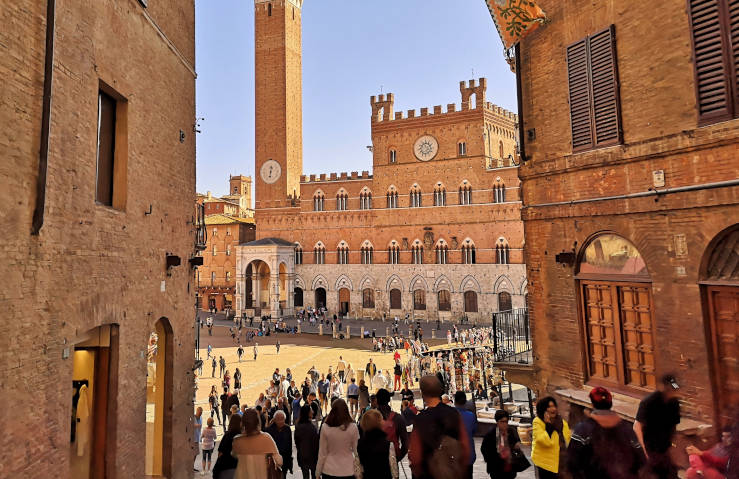
The historic centre of Siena is one of Italy’s best-preserved medieval cities, known for its Gothic architecture and the famous Piazza del Campo.
Where you stay plays an important role in shaping your experience. Historic city centres offer access to major landmarks and architecture, while smaller towns and countryside locations provide a quieter perspective on Italian life.
For a deeper approach to travel planning, this guide follows a cultural travel method that focuses on understanding destinations through history, traditions, and local context rather than only sightseeing.
For accommodation ideas in Tuscany, see our Tuscany Travel Guide, which includes recommended bases for exploring Florence and the surrounding region.
You can also explore where to stay in Florence for detailed neighbourhood guidance.
5. Itineraries and Travel Ideas
Italy can be explored in many different ways as a single-city break, such as Florence or Rome, which can also serve as standalone cultural city breaks, and from short city breaks to longer multi-region journeys.
One of the most rewarding ways to experience Italy is to start in Tuscany, where Florence acts as a central base for exploring Renaissance art, medieval towns, and the surrounding countryside. From here, it is easy to build itineraries that include destinations such as Siena, Lucca, San Gimignano, and Volterra.
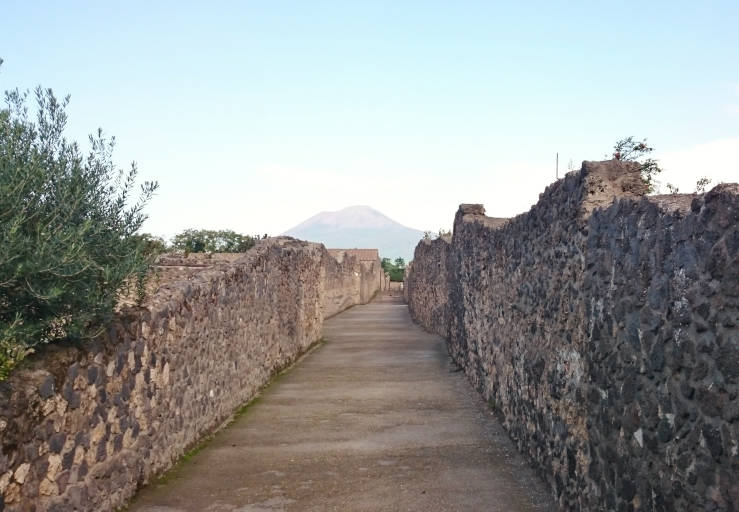
The ruins of Pompeii, preserved beneath volcanic ash after the eruption of Mount Vesuvius in AD 79.
Beyond Tuscany, Italy offers an extraordinary range of destinations, from the ancient monuments of Rome and the canals of Venice to the archaeological remains of Pompeii and the dramatic landscapes of southern Italy. Future guides will explore these regions in greater detail through dedicated itineraries and cultural travel resources.
For shorter trips, Florence works well as a standalone destination, offering a dense concentration of history, architecture, and cultural experiences. For longer journeys, it can be combined with other Italian highlights such as Rome, Venice, or coastal regions.
Start with our Tuscany Travel Guide for a structured overview of routes, destinations, and travel ideas within the region.
For shorter trips, Florence works well as a standalone destination, with detailed itineraries including 3-day Florence itinerary and 1-day Florence itinerary.
This guide will continue to expand with detailed itineraries and travel routes across Italy, including multi-city journeys and region-based travel plans.
Images courtesy of Travel In Culture. Selected images from Pixabay.