



Tuscany Travel Guide: Cities, Culture, and Itineraries
By ANL | UPDATED:
All photographs in this article were taken by Travel In Culture.
🏛️ Florence
🏰 Siena guide
🌄 San Gimignano guide
🏞️ Lucca guide
1. Explore Tuscany Through Cities and Landscapes
Tuscany is one of Italy’s most historically rich and visually striking regions, combining Renaissance cities, medieval hill towns, vineyard landscapes, and cultural heritage, with Florence at its cultural centre.
While Florence represents the artistic and Renaissance core of the region, Tuscany extends far beyond the city into medieval towns such as Siena and Lucca, as well as countryside landscapes and historic settlements shaped by centuries of local tradition.
To explore the wider country, see Italy through its regions, cities, and cultural landscapes.
Florence stands at the centre of Tuscany’s cultural identity and remains the region’s most important Renaissance city. From here, travellers can easily explore nearby destinations such as Siena, known for its medieval cityscape and Piazza del Campo, and Lucca, famous for its intact city walls and relaxed historic centre.
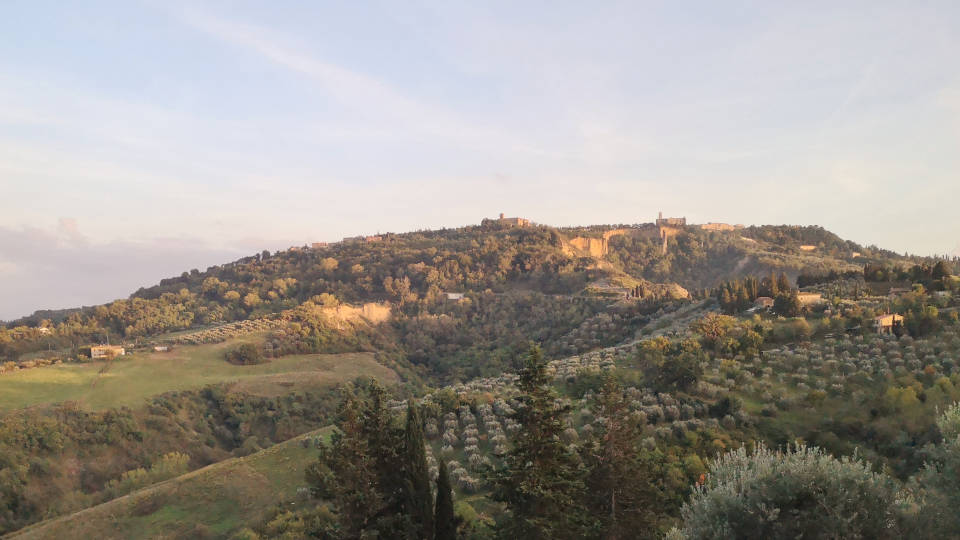
Beyond these cities, Tuscany opens into rolling countryside, hilltop towns, such as San Gimignano and Volterra, and rural landscapes shaped by centuries of cultural and agricultural tradition.
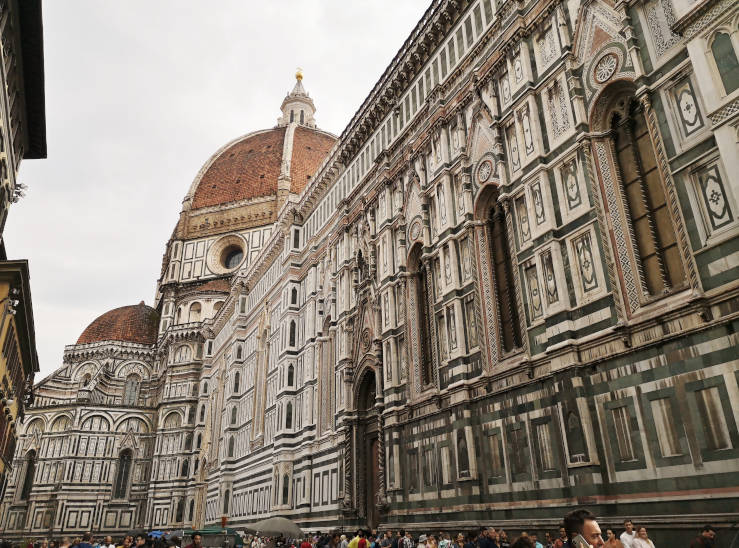
Florence Cathedral (Duomo) is one of Tuscany’s most iconic landmarks and a masterpiece of Renaissance architecture.
This guide brings together destinations, cultural insights, and travel planning resources to help you explore Tuscany in a structured and meaningful way.
Begin your journey with Florence, the cultural heart of Tuscany and its main Renaissance city, before exploring surrounding towns such as Siena, Lucca, and San Gimignano.
2. Discover Tuscany’s Cities and Towns
Tuscany is best explored through its cities and towns, each offering a distinct perspective on the region’s history, architecture, and cultural identity. From Renaissance masterpieces to medieval hill towns, each destination contributes to Tuscany’s unique character.
🏛️ Florence → Renaissance art, architecture, and cultural heritage
🏰 Siena → Medieval cityscapes and historic Piazza del Campo
🌄 San Gimignano → Hill town skyline and medieval towers
🏞️ Lucca → City walls, historic centre, and relaxed atmosphere
🍷 Chianti region → Vineyards, countryside landscapes, and wine culture
🚆 Best explored by → regional trains, buses, and scenic road trips
3. Culture and Everyday Life in Tuscany
Tuscan culture is shaped by centuries of artistic achievement, rural traditions, and strong local identity. The region played a central role in the Renaissance, and its influence can still be seen in architecture, art, and urban design.
This approach is central to the cultural travel method, which emphasises experiencing destinations through their cultural and historical context.
Beyond its cities, Tuscany’s cultural identity is deeply connected to countryside life, seasonal food traditions, and small-town community structures that have remained consistent over time.
🎨 Renaissance heritage → Florence and artistic innovation
🍝 Food culture → rustic cuisine, local ingredients, and wine traditions
🏡 Hill town life → slow rhythms and historic settlements
⛪ Religious heritage → churches, monasteries, and pilgrimage routes
🌿 Landscape identity → vineyards, olive groves, and countryside culture
4. Planning Your Trip to Tuscany
Tuscany is well suited to both short city breaks and longer regional itineraries. Florence often serves as the main base, offering strong transport connections and easy access to surrounding towns and countryside destinations. This guide follows a cultural travel method that focuses on understanding destinations through history, traditions, and local context rather than only sightseeing. For Florence itineraries, see Florence in 3 Days and Florence in a Single Day.
How to Get Around Tuscany
| Transport | Best for | Keep in mind |
|---|---|---|
| 🚗 Car | Countryside, Chianti, Val d’Orcia, vineyards and smaller hill towns | More flexibility, but parking and ZTL restrictions can make historic centres challenging |
| 🚆 Train | Florence, Pisa, Lucca, Arezzo and other larger towns | Convenient for city-based travel, but less useful for rural Tuscany |
| 🚌 Bus | Siena and some hill towns not directly served by rail | Connections and timetables vary, so check services before travelling |
| 🅿️ Parking & ZTLs | Driving into Tuscan towns | Historic centres often restrict traffic; parking outside the centre is usually the safer option |
Car or public transport? Public transport is usually easiest if your trip focuses on Florence and well-connected towns. A car is more useful when you want to explore the countryside or combine several smaller destinations.
Planning 3–5 days? Decide first whether you want a city-and-town trip by public transport or a countryside-focused trip by car. For detailed 3-, 5-, and 7-day routes, see our Tuscany itineraries and road trips. If you are staying in Florence and want to explore Tuscany without changing accommodation, see our best day trips from Florence.
🏛️ Highlights: Renaissance cities, hill towns, vineyards, and cultural landscapes
📍 Main destinations: Florence, Siena, Lucca, San Gimignano, Chianti
📅 Typical duration: 3–7 days for regional travel, longer for deeper exploration
🌿 Best time to visit: April–June and September–October
🚆 Transport: trains, buses, and rental cars for countryside access
🗺️ Travel style: cultural travel, road trips, and city-based exploration
🚶 Pace: slow travel or structured multi-day itineraries
Florence is the most convenient base for first-time visitors, offering easy access to Siena, Lucca, Pisa, and other Tuscan destinations.
Still deciding where to base yourself? See our guide to where to stay in Tuscany for advice on the best towns, areas, and countryside bases for different types of trips.
5. Itineraries and Travel Ideas
Tuscany can be explored in many different ways, from short city breaks in Florence to longer regional journeys across Siena, Lucca, San Gimignano, and the Chianti countryside. Many travellers use Florence as a cultural base, combining Renaissance city experiences with medieval towns, vineyard landscapes, and slower rural travel.
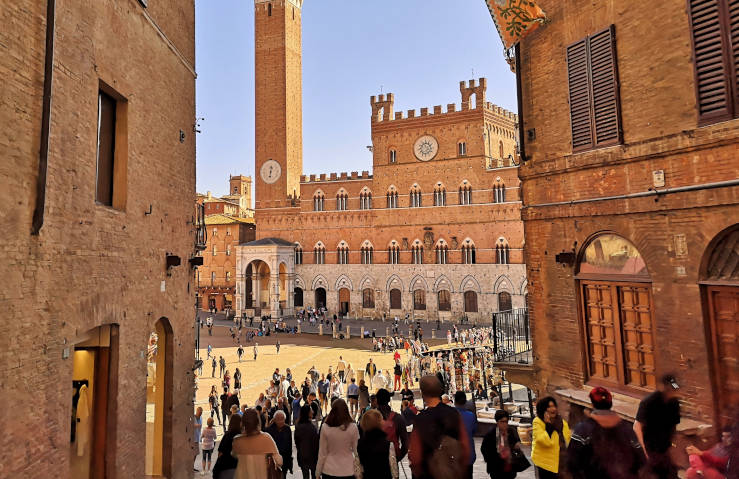
Piazza del Campo in Siena, one of Tuscany’s most iconic medieval squares and a highlight of the region’s cultural heritage.
A classic short itinerary might include Florence as the main hub, with day trips to Siena, San Gimignano, Lucca, and Montecatini Terme. This allows travellers to experience both Renaissance art and medieval townscapes within a compact area. For those with more time, adding the Chianti region provides a slower pace, with vineyard landscapes, hilltop villages, and traditional Tuscan food culture.
Longer itineraries can combine multiple bases, such as Florence and Siena, or include countryside stays for a more relaxed rhythm. This approach allows for a deeper connection with the region, where travel becomes less about distance and more about experiencing local life, seasonal food traditions, and changing landscapes.
As this guide expands, more detailed itineraries will be added covering specific routes, travel durations, and themed experiences across Tuscany.