


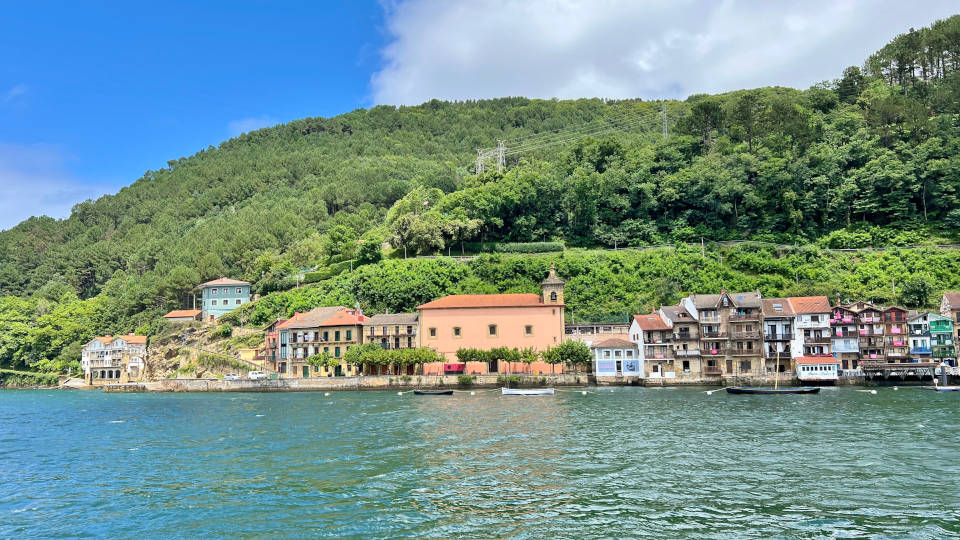
Pasaia Day Trip from San Sebastián: A Basque Fishing Village
By ANL | UPDATED:
A Pasaia day trip from San Sebastián is one of the most rewarding excursions in the Basque Country. Located just a few kilometres east of the city, Pasaia offers a striking contrast to San Sebastián’s elegant beaches and busy promenades. Visitors can hike across Mount Ulia, explore the historic districts of Pasai Donibane and Pasai San Pedro, discover centuries of maritime history and experience daily life in a traditional Basque fishing village.
Whether you arrive on foot, by bus or by boat, Pasaia rewards travellers with dramatic coastal scenery, fascinating cultural heritage and a slower pace of life. For anyone seeking an authentic day trip from San Sebastián, Pasaia is an excellent choice.
For travellers interested in exploring destinations through local history, traditions and everyday life, our Cultural Travel Method explains the approach behind many of our journeys.
Looking to stay near San Sebastián’s iconic beach and historic old town? These hotels boast prime locations for exploring both.
Is Pasaia Worth a Day Trip from San Sebastián

Pasai Donibane on a day trip from San Sebastián.
Just a few kilometres from the lively elegance of San Sebastián lies a quieter gem: Pasaia, a fishing town with deep roots in maritime history and local culture – the perfect day trip from San Sebastián. For adventurous travellers, the most rewarding way to reach it is not by car or train, but on foot.

Photo: Travel In Culture
The hiking route over Mount Ulia offers a marvellous walk with surprising views, historical remnants and, at the end of the path, an arrival in the footsteps of past seafarers at the entrance to Pasaia – making it an enriching day trip from San Sebastián.
1. How to Take a Day Trip from San Sebastián to Pasaia
Day trip from San Sebastián to Pasai San Pedro.
Our day trip from San Sebastián to Pasaia begins in the city’s Egia district, where we join a marked trail that climbs the slopes of Mount Ulia, located east of Mount Urgull and Zurriola Beach. The route is well signposted and moderately challenging, offering spectacular viewpoints overlooking the Bay of Biscay and the dramatic coastline.
Camino de Santiago.
This itinerary follows part of the Basque coastal Camino (Saint James Way) towards Santiago de Compostela, as we spot the characteristic Saint James scallop shell along the way.
During the trip, we pass a forest café whose owner tells us that, alongside this spot, he also runs a bakery down in San Sebastián – which he warmly recommends to us! At the entrance, vibrant blue hydrangeas are in full bloom.

Photo: Travel In Culture
In several spots along the hike, we come across clusters of wild hydrangeas. One of the places these blue shrubs appear is near the ancient Roman aqueduct, which emerges unexpectedly along the path, standing as a powerful reminder of the region’s layered history. Nestled in the woodland and partially cloaked in vegetation, the aqueduct remains a quiet relic of once-vital infrastructure, now tucked into the surrounding landscape.

A Roman aqueduct, a hidden gem on Mount Ulia.
2. The Four Neighbourhoods of Pasaia
Pasaia is made up of several neighbourhoods: Pasai San Pedro, Pasai Donibane, Pasai Antxo, and Trintxerpe. The descent can be made either directly to Trintxerpe or along the coastal path to the inlet at Pasaia (Pasai San Pedro). We choose to walk down to San Pedro, one of the oldest and most charming parts of Pasaia.
View over the Bay of Biscay from Mount Ulia.
At the far end, the Bay of Biscay comes into view, its large waves crashing against the cliffs and the breakwater. A green lighthouse marks the entrance and the dangers that for centuries have loomed for seafarers approaching from the open sea.

Photo: Travel In Culture
Further inland, a small Basque fishing village with deep maritime roots reveals itself. The narrow streets, historic houses and the quayside tell the story of a community shaped by the sea through the centuries.

Photo: Travel In Culture
3. Pasai Donibane
A small water taxi ferries passengers back and forth across the water between San Pedro and Donibane, continuing a tradition that has existed for centuries. As we understand it, the crossing was originally operated by women.

Donibane.
Arriving in Pasai Donibane by the little taxi boat, the neighbourhood already suggests its distinctive character during the crossing, as a place from another time. Along the waterfront, narrow houses rise directly from the water in several storeys, picturesquely squeezed together – it reminds us of the canals of Venice. Their wooden balconies and façades bear the marks of salt and sun.

Water taxi service between San Pedro and Donibane, Pasaia.
Through the narrow main street – a labyrinth of cobblestones, low arches and small hidden passageways – one moves into a neighbourhood that feels like a living museum. Notable sights include the impressive Church of San Juan Bautista and the Arizabalo Palace, a former aristocratic residence that now serves as the town hall.
Right by the waterfront stands Victor Hugo’s house, where the French writer stayed in the 19th century. Here, visitors can gain further insight into the port’s history – as well as enjoy the beautiful view across the bay to Pasai San Pedro and out through the entrance to the Bay of Biscay.
Photo: Travel In Culture
4. Blas de Lezo
There is no doubt that Blas de Lezo is the local naval hero. He was born in 1689 in Pasaia (San Pedro). Throughout the town, we see his name on street signs and buildings – and here stands a statue of the admiral, who is famous for his role in Spain’s naval defence. He distinguished himself by defending Cartagena de Indias in Colombia in 1741 against a British invasion, despite his forces being vastly outnumbered. From here, the path continues up to the Santa Ana Hermitage, which offers a sweeping view of the entire bay.
5. Restored Whaleship
Photo: Travel In Culture
Maritime history runs deep in Pasaia, making it a fascinating stop on our day trip from San Sebastián – especially if you are drawn to seafaring heritage. As we walk along the coast, it is easy to imagine the traditional trades once unfolding here: boatbuilders at work and wooden boats setting out to sea, including rowing boats and whaleships.
Photo: Travel In Culture
The town’s museums and shipyards are well worth a visit for those seeking deeper insight into the local fishing culture. A highlight is the restored whaling boat, complete with barrels for whale oil and displays detailing the town’s role in Basque whaling, located at the historical shipyard, restoration site and cultural centre Albaola – The Sea Factory of the Basques, which today functions as a living museum.
The historical shipyard Albaolo in San Pedro, Pasaia.
Here, a replica of the San Juan whaleship from the 16th century is being built using traditional tools and materials. The original vessel sank off the coast of Canada in 1565. Sensing the scale of the original ship makes the whaling past of San Sebastián and Pasaia feel all the more real.
6. Pasai San Pedro

Sculpture of a traditional Basque rowing boat in Pasaia.
Since ancient times, Pasai San Pedro has been a fishing community where all fishing was carried out from rowing boats called traineras, each crewed by thirteen rowers and a skipper, alongside smaller boats known as batelas, with two women and a skipper, which operated the crossing between the coasts of Pasaia. The teams competed in so-called regattas. We read that the San Pedro boat won first prize in 1878, a date that coincides with the name of this district of Pasaia, which also refers to the Apostle Peter.

Aita Manuel, a famous skipper of traineras (traditional Basque rowing boats) from San Pedro, born in 1879.
We are told that traditional regatta races are still held, where strong rowers from various villages in the San Sebastián area steer 12-metre-long boats and compete against each other. It is a real highlight!
7. Trintxerpe
Photo: Travel In Culture
After exploring the San Pedro district of Pasaia, we make our way to Trintxerpe. Here, we find a local restaurant, Arando Taberna, on Plaza Gudari, where we enjoy a well-deserved lunch. To our great surprise, the annual Carmen Fiesta is taking place – along with the accompanying festivities in the area. The locals are dressed in blue clothes and scarves, music is playing, and the enticing aroma of food fills the streets. Tables are set up for the ‘comida popular’ (community meal).

The local Carmen Fiesta in Trintxerpe.
8. Why Pasaia Is Perfect for a Day Trip from San Sebastián
A day trip from San Sebastián to Pasaia is much more than just an outing. If you are spending several days in the region, you may also enjoy our guide to the best things to do in San Sebastián. The day trip offers both a scenic hike over Mount Ulia, with breathtaking views along the way, and an immersive experience of Pasaia’s rich maritime heritage. At the same time, the journey provides rare insight into the past and present of a small Basque fishing village – all within a couple of hours’ walk from San Sebastián. This rewarding day trip from San Sebastián captures the distinctive charm of Pasaia, combining dramatic coastal trails with living history.
Travellers exploring the Basque Country may also wish to discover the top cultural attractions and things to do in Bilbao.
Frequently Asked Questions
Is Pasaia worth visiting from San Sebastián?
Pasaia is one of the best day trips from San Sebastián, offering maritime history, coastal scenery, traditional Basque culture and picturesque waterfront districts.
How do you get from San Sebastián to Pasaia?
You can reach Pasaia by bus, train, taxi or on foot via the scenic Mount Ulia hiking route, which offers excellent coastal views.
How long do you need in Pasaia?
Most visitors spend between half a day and a full day exploring the harbour, historic neighbourhoods, museums and walking trails.
Can you walk from San Sebastián to Pasaia?
Yes. The route across Mount Ulia is a popular walk that takes roughly two to three hours depending on pace and stops.
What is the most beautiful part of Pasaia?
Pasai Donibane is often considered the most picturesque area, with colourful waterfront houses, narrow streets and historic architecture.
What is Albaola in Pasaia?
Albaola is a living maritime museum where traditional shipbuilding techniques are used to recreate historic Basque vessels.
Is Pasaia suitable for families?
Yes. Families can enjoy boat crossings, waterfront walks, maritime exhibits and easy access from San Sebastián.
When is the best time to visit Pasaia?
Spring, summer and early autumn generally offer the most pleasant weather for walking, sightseeing and enjoying the harbour.
Can you visit Pasaia without a car?
Yes. Public transport connections from San Sebastián are frequent, and the village is easy to explore on foot.
Another easy day trip from San Sebastián is to the Flysch Cliffs of Zumaia located just west of the city.
Read next: Visit Spectacular Greenland
