



San Sebastián Things to See and Do: Belle Époque Guide
By ANL | UPDATED:
1. Parte Vieja – The Old Town of San Sebastián, Spain
2. Belle Époque Elegance & the Centro Romántico
3. La Concha Beach & Seafront Promenade
4. San Telmo Museum & the Basque Cultural Identity
5. Things to See at Mount Urgull
6. Things to Do at Mount Igueldo
7. Pintxo Culture in San Sebastián, Spain
This guide to San Sebastián things to do highlights the city’s most important attractions, from the atmospheric Old Town San Sebastián filled with pintxos bars to the sweeping views from Mount Urgull and Mount Igueldo. Visitors can explore Belle Époque architecture, relax along the seafront promenade, visit cultural landmarks such as the San Telmo Museum, and enjoy the distinctive flavours of Basque cuisine. The city offers a compact yet rich travel experience where history, culture, and coastal scenery come together naturally.
San Sebastián is best explored using a mindful approach to travel that connects culture, place, and local experience.
Learn more about our cultural travel method for deeper, more meaningful exploration
What Are the Top Things to See & Do in San Sebastián (Spain)? – Must-See Attractions
Unmissable attractions in San Sebastián (Spain), or Donostia in the Basque language, include a rich blend of cultural landmarks, historic sites, and vibrant activities. You can immerse yourself in the city’s elegant Belle Époque heritage, exploring its iconic architecture, seaside promenades, and traditional culinary delights. From strolling along La Concha Beach to discovering museums and charming old-town bars, there are plenty of things to see and do in San Sebastián, with a special focus on the cultural attractions and distinctive styles that defined the city’s heyday around the turn of the 19th century.
Looking for a place to stay near San Sebastián’s iconic beach and historic centre? These hotels combine prime locations with easy access to La Concha Bay and the timeless charm of the city’s Belle Époque atmosphere.
1. Parte Vieja – The Old Town of San Sebastián, Spain
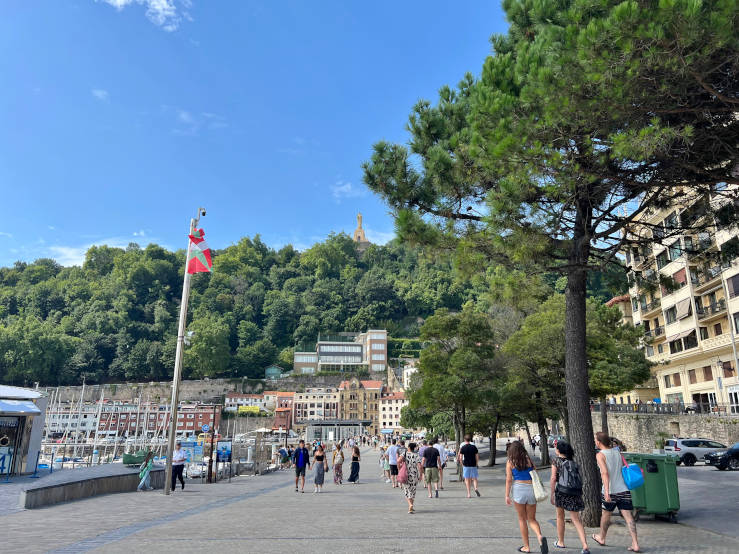
Photo: Travel In Culture
Among the top things to do in San Sebastián is a visit to Parte Vieja, a true cultural gem of Spain! The Old Town is charming and brimming with life, character, and history. As we wander through its narrow, cobbled streets, lined with traditional Basque architecture, it is impossible not to be drawn in by the many atmospheric pintxo bars serving tempting small bites that attract both locals and visitors alike. Whether you visit San Sebastián for the food, the history, or the atmosphere, exploring Parte Vieja remains one of the city’s essential cultural activities.
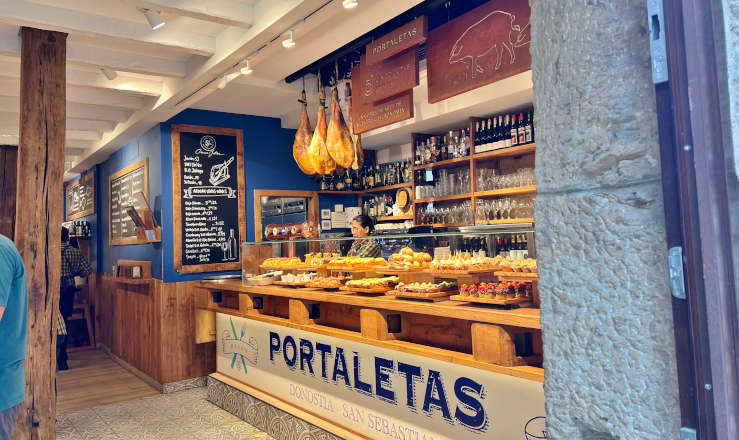
Photo: Travel In Culture
At the heart of the neighbourhood lies the charming Plaza de la Constitución, one of the most iconic San Sebastián attractions. Once a bullring, the numbered balconies still hint at its historic past. As we wander beneath the arcades, enticing aromas drift towards us from nearby pintxo bars and restaurants.
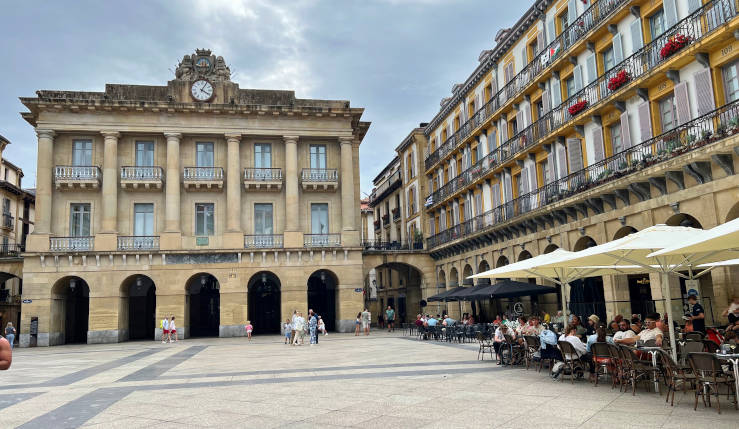
Plaza de la Constitución.
Each year, the square also becomes the setting for the traditional Tamborrada drum festival, filling the city with rhythm, movement, and celebration. It is a truly fascinating event and one of the top cultural things to experience in San Sebastián – if you happen to visit at the right time, it is a spectacle you simply have to see!
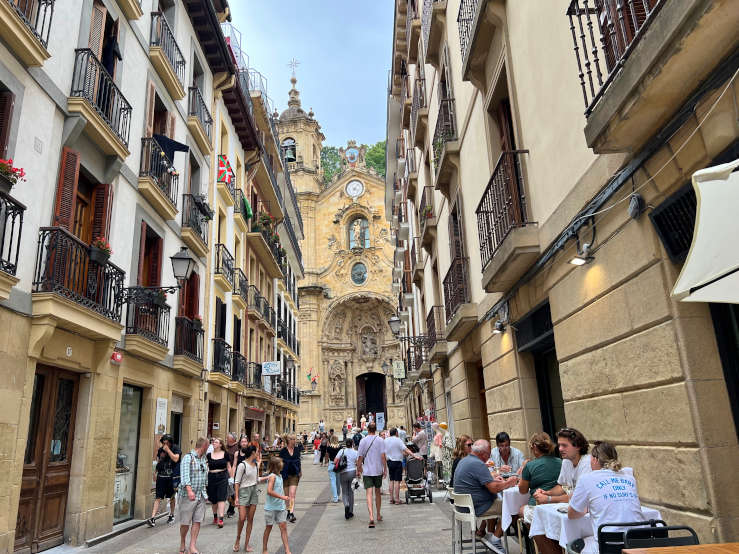
The Basilica of Santa María del Coro in the Parte Vieja.
In this lively historic neighbourhood, you will also find two of San Sebastián’s oldest churches: the Gothic Church of San Vicente, dating from the 16th century and featuring a Romanesque altarpiece, and the Baroque Basilica of Santa María del Coro. These beautiful landmarks are among the most important cultural attractions of San Sebastián and reflect the city’s long and layered history.
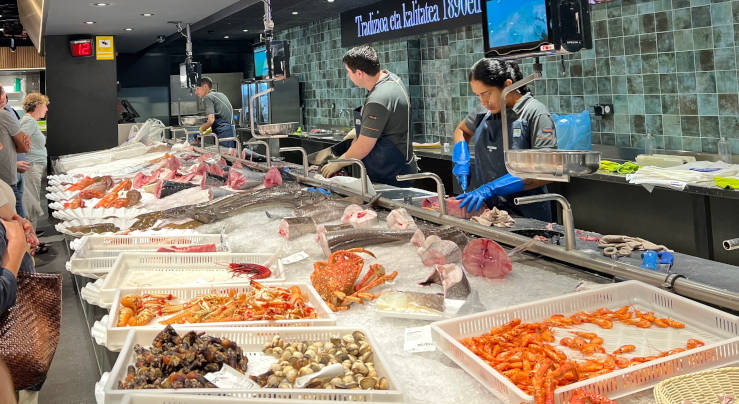
La Bretxa Market.
Just a short walk away lies La Bretxa Market, a classic local spot where the former fish hall now houses stalls brimming with seafood specialities and other fresh produce. We wander curiously between the counters, selecting a piece of fresh fish to prepare later for dinner in our apartment. A visit here is one of the more authentic, local things to do in San Sebastián.
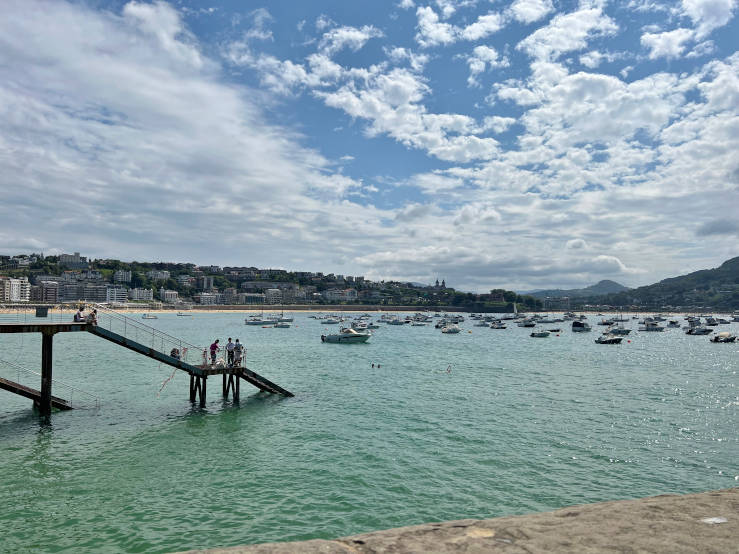
Photo: Travel In Culture
Down by the small, picturesque port, we can clearly sense the city’s maritime heritage, a vivid reminder of San Sebastián’s deep seafaring roots. The proud maritime past and longstanding shipbuilding tradition are brought to life at the nearby aquarium, where exhibits explore the close relationship between sea and city. Taking in the picture-postcard harbour, framed by La Concha Bay on one side and the steep slopes of Mount Urgull on the other, we feel ready to delve into the local culture and start exploring.
2. Belle Époque Elegance & the Centro Romántico
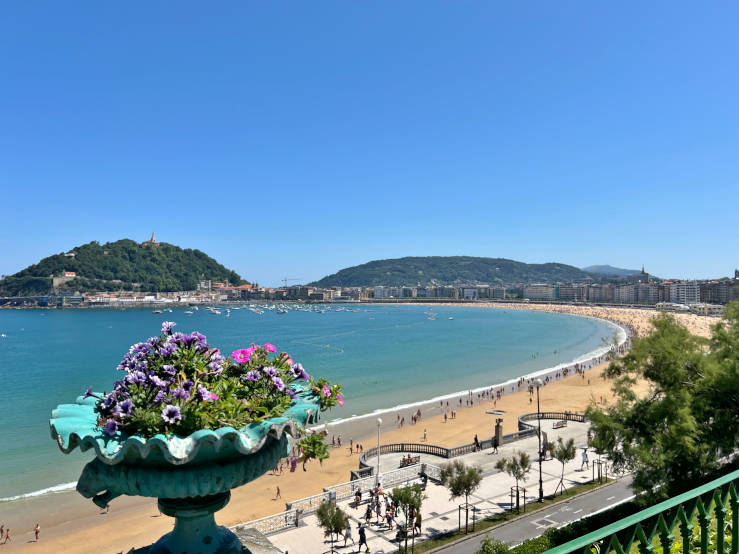
Photo: Travel In Culture
At the turn of the 20th century, San Sebastián evolved from a humble fishing village in northern Spain into a glamorous seaside retreat for Europe’s elite. This period, known as the Belle Époque (1871–1914), was a time of flourishing arts and elegant lifestyles. It gave rise to Art Nouveau, grand cafés, theatres, promenades, and resorts like San Sebastián, creating an atmosphere of beauty, leisure, and refinement.
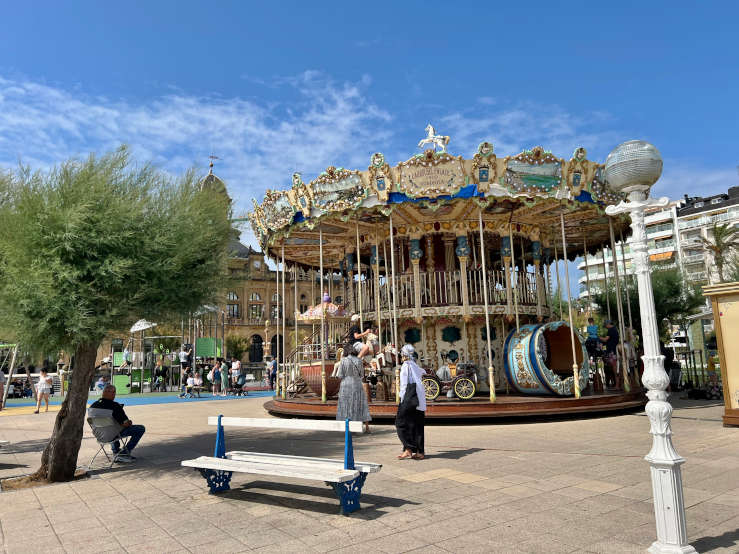
The Belle Époque-style carousel in San Sebastián, Spain.
Beautiful examples of Belle Époque architecture include the City Hall and several buildings along the seafront promenade – not to mention the ornate lampposts and the old-fashioned carousel, which today is a replica of the original. It is cheerfully spinning as we pass by.
One particular highlight is the Neo-Gothic Buen Pastor Cathedral from 1897, a landmark that perfectly embodies the era’s love of grandeur and detail, and one of the most iconic cultural attractions in San Sebastián.
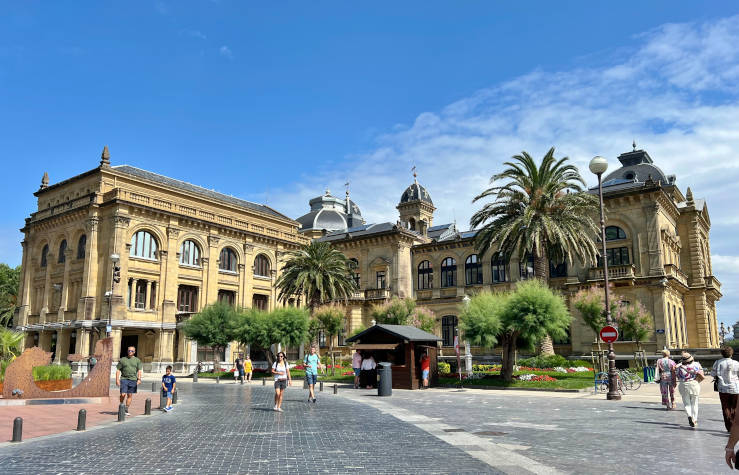
Lasta Plaza | Photo: Travel In Culture
As we stroll through the charming Centro Romántico district, we notice the wide boulevards, beautiful buildings with wrought-iron balconies, and ornate façades – all hallmarks of the city’s 19th-century expansion and Romantic character.
Crossing the María Cristina Bridge over the Urumea River, we take in its impressive design. Built in 1905 and inspired by Paris’s Pont Alexandre III, the bridge blends classic columns, tall obelisks, rich sculptural decoration, and a sense of theatrical elegance.
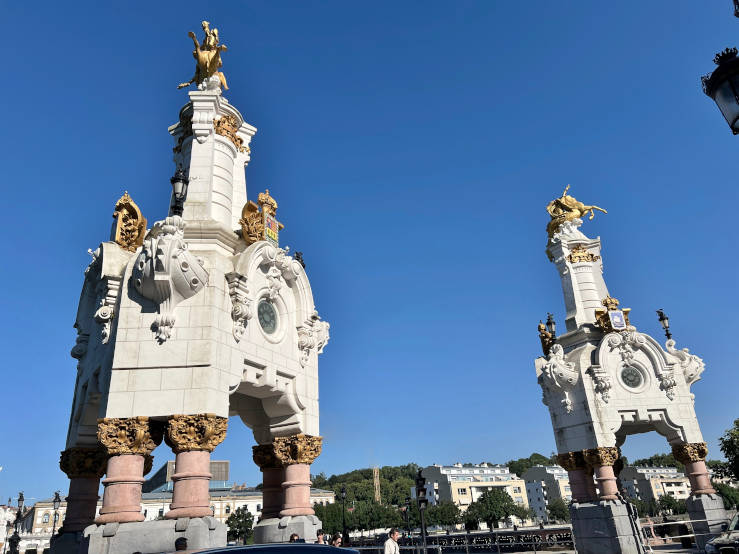
The Belle Époque Maria Cristina Bridge over the Urumea River.
The grand, symmetrical design of the bridge draws on Greek and Roman styles, giving it a monumental and richly decorated look.
Walking here is not just about getting from one place to another – it is more than just moving between sights – it is one of the cultural things to do that allows you to soak in the city’s Belle Époque heritage and its former status as a top holiday destination for royalty and aristocracy in Spain.
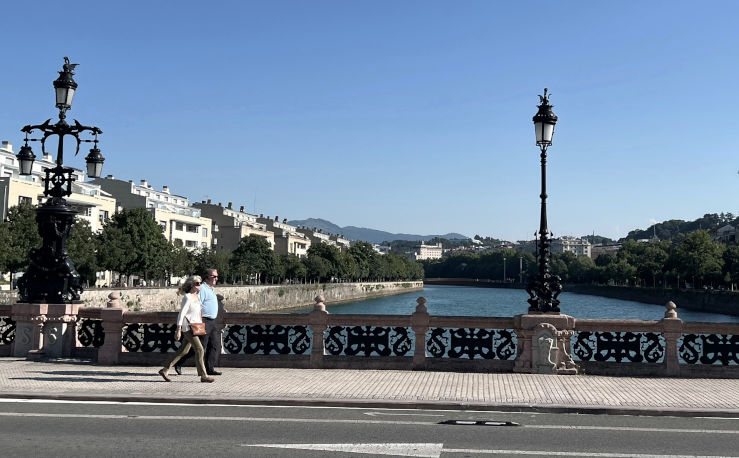
Photo: Travel In Culture
Beyond Parte Vieja stands the ornate Victoria Eugenia Theatre, an architectural jewel from 1912 and an impressive example of Belle Époque architecture. Today, it hosts concerts, opera, and film festivals, including parts of the renowned San Sebastián International Film Festival. Just opposite, the elegant Hotel María Cristina adds to the grandeur, another striking example of the city’s Belle Époque charm.
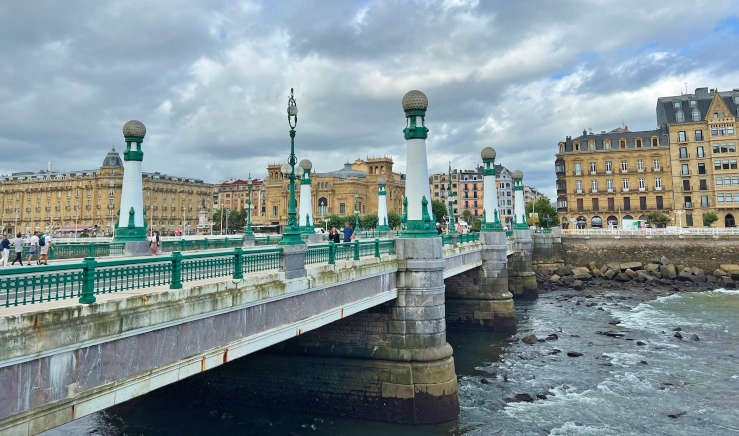
The futuristic Zurriola Bridge in front of the Victoria Eugenia Theatre is one of the spectacular attractions in San Sebastián.
As a curiosity, on the edge between the Centro Romántico and Gros, we are drawn to the futuristic Zurriola Bridge. It stands with the Victoria Eugenia Theatre as a dramatic backdrop. Its distinctive, sculptural lampposts and bold design form a striking contrast to the ornate Belle Époque buildings. This unexpected blend of styles adds a surprising flair to the cityscape and reflects San Sebastián’s layered cultural heritage. For those interested in architecture and design, it is one of the more spectacular things to see in San Sebastián.
3. La Concha Beach & Seafront Promenade
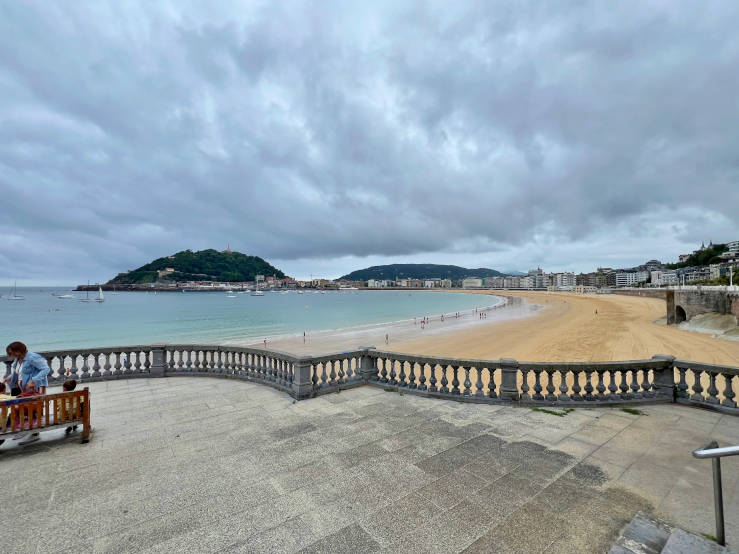
Photo: Travel In Culture
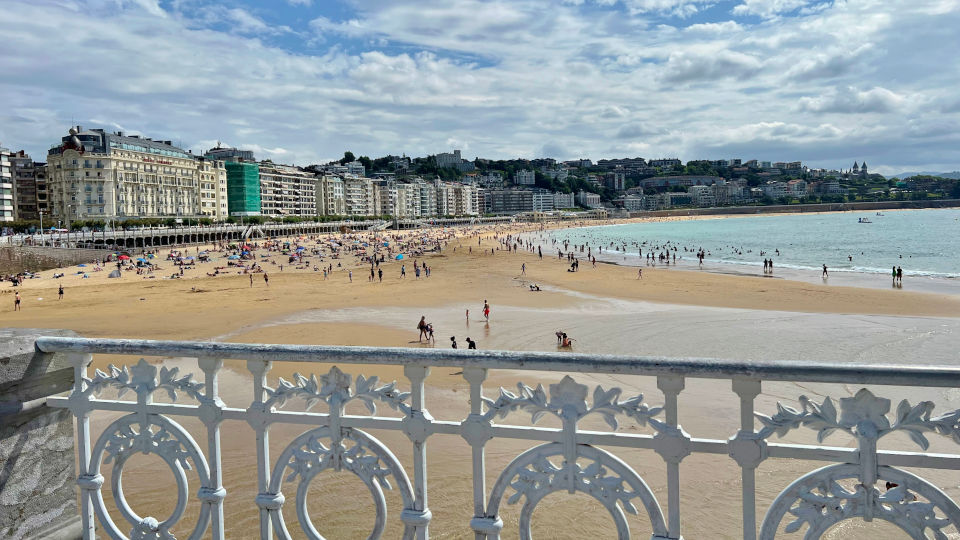
La Concha Beach is an iconic urban beach that perfectly captures the seaside elegance San Sebastián is famous for both in Spain and worldwide. As we stroll along the seafront promenade, the graceful Belle Époque railings and ornate lampposts remind us of a bygone era when aristocrats frequented this beautiful stretch of coast.
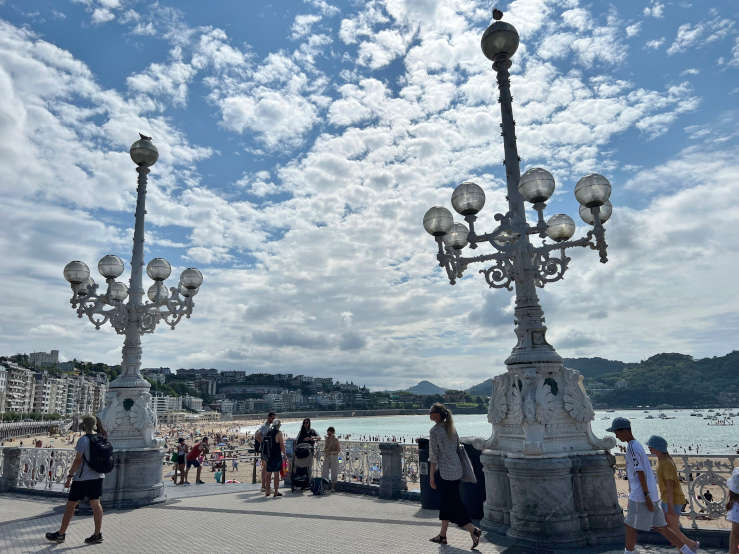
Belle Époque lampposts, La Concha Promenade.
Wandering through the vibrant park nearby, with colourful gardens and tamarind trees alongside palms gently swaying, the cheerful sound of the merry-go-round adds a quiet charm, creating a calm and pleasant atmosphere.
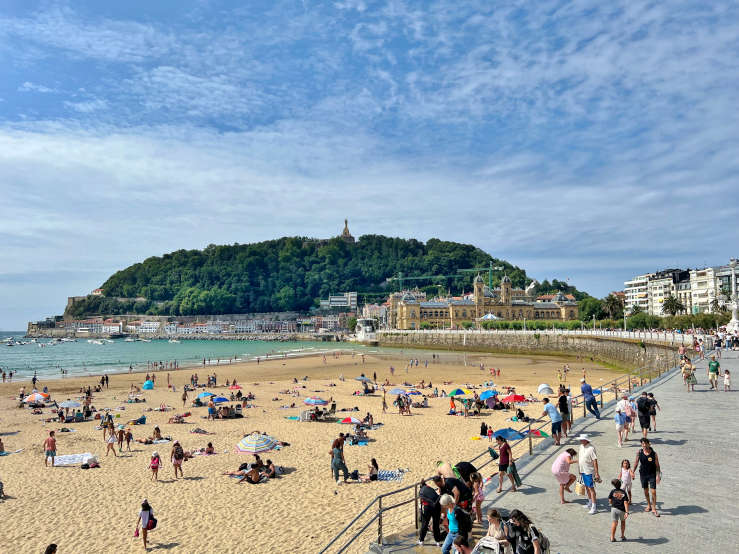
Beach activities in San Sebastián | Photo: Travel In Culture
One of the promenade’s highlights is La Perla Spa, founded in 1912, which has a rich history as a thalassotherapy centre, where the healing properties of seawater were once celebrated. Just a little further along, the elegant Miramar Palace, built in 1893 for Queen María Cristina, once served as the summer residence of the Spanish royal family.
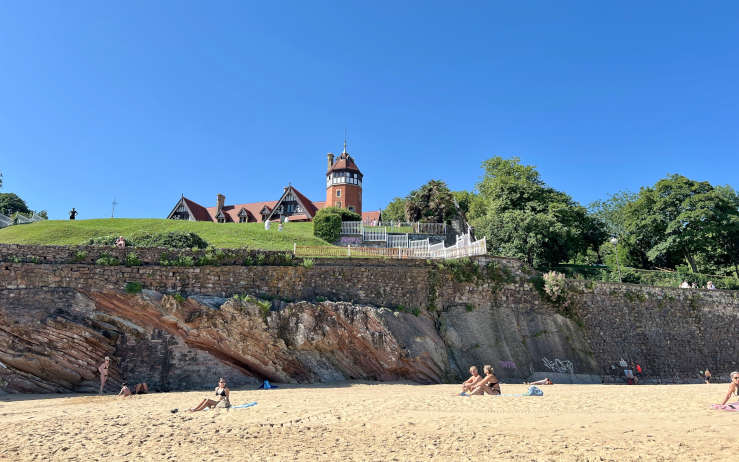
Miramar Palace sits on the cliffs above the beach, offering panoramic views over the bay.
Standing there, overlooking the bay, we can feel the same charm that made San Sebastián a royal seaside retreat during the Belle Époque.
For a wider understanding of coastal landscapes and day trips along the Basque coastline, this nearby excursion is highly recommended.
Explore a day trip from San Sebastián to the seafaring village of Pasaia
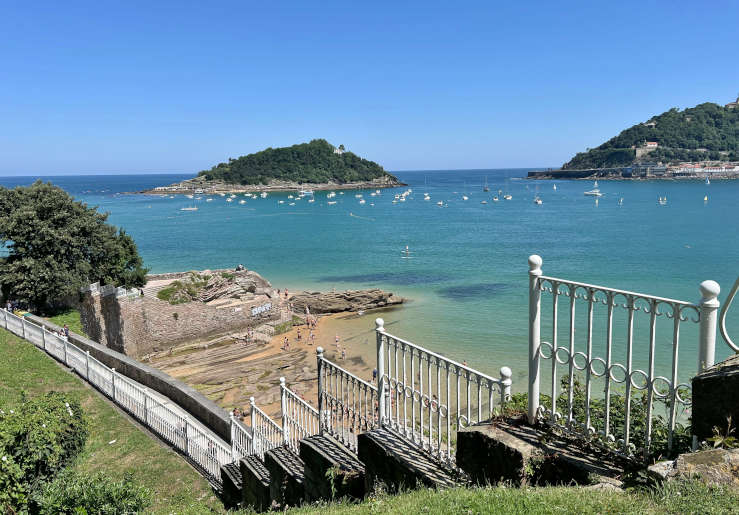
Isla de Santa Clara.
We notice how, day after day, locals and visitors alike enjoy one of the favourite activities and things to do in San Sebastián: simply strolling along the water’s edge, breathing in the fresh sea air and soaking up the timeless charm of this unique seaside resort in Spain.
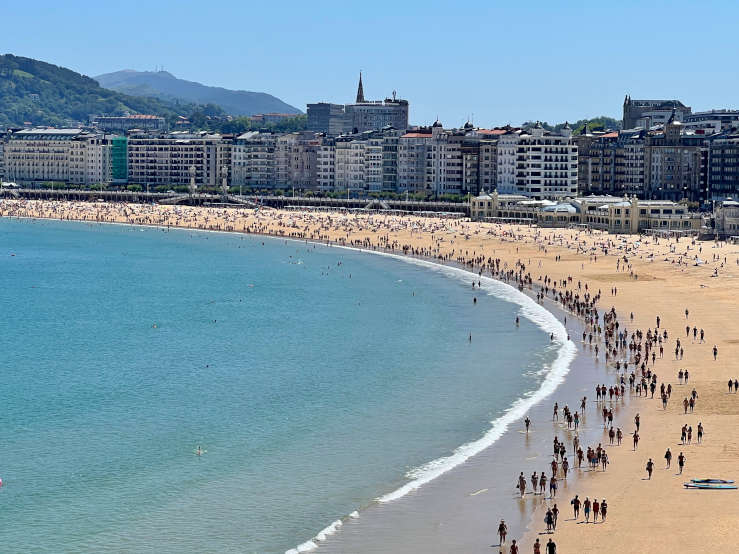
Strolling along the water’s edge | Photo: Travel In Culture
4. San Telmo Museum & the Basque Cultural Identity
Nestled in a beautifully restored 16th-century convent with a striking modern extension, the San Telmo Museum offers a fascinating insight into the rich culture and history of the Basque Country, one of the unmissable attractions in San Sebastián for history enthusiasts. As we explore the exhibits, we discover the region’s deep-rooted traditions – from its fishing communities and whaling heritage to ancient crafts and unique sports like wood chopping and carrying heavy stone blocks. The museum also covers more recent chapters of Basque history, including the Spanish Civil War, the ETA movement, and the ongoing quest for independence.
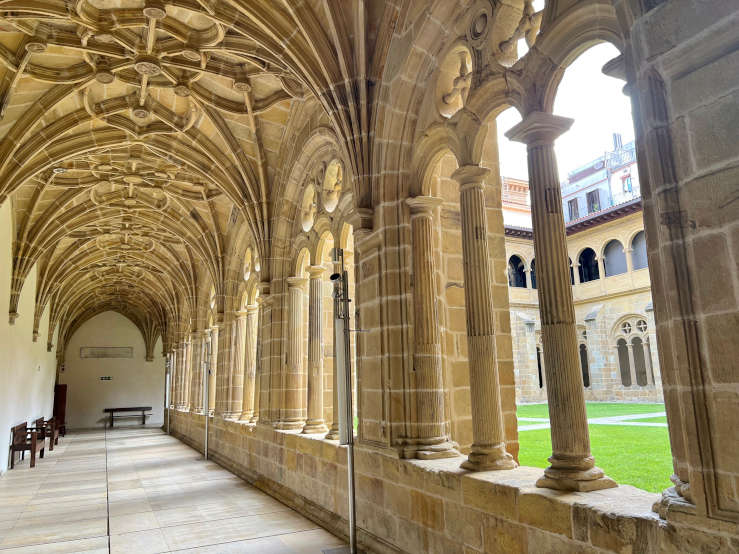
The San Telmo Museum.
As the guide explains, visiting the museum is a way to understand how the Basque people traditionally lived and what characterises their culture and history. Watching the instructive film helps us grasp the story of the original Basque culture, its whaling past, and the fact that San Sebastián was once a small fortress town – truly one of the main things to see at the museum.
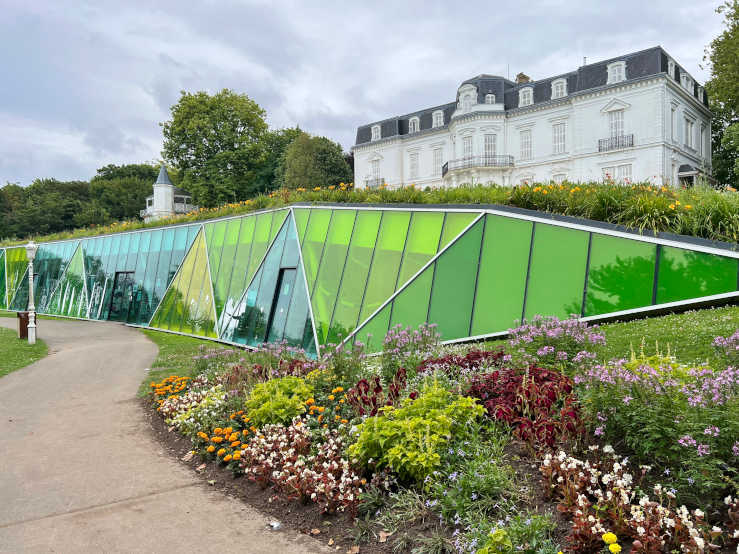
Aiete Park, cultural centre and former royal residence.
The Basque cultural identity is also reflected in Aiete Park, although from a different perspective. This former royal residence and summer retreat for Queen Isabella II and General Franco was also the site of important peace negotiations in 2011.
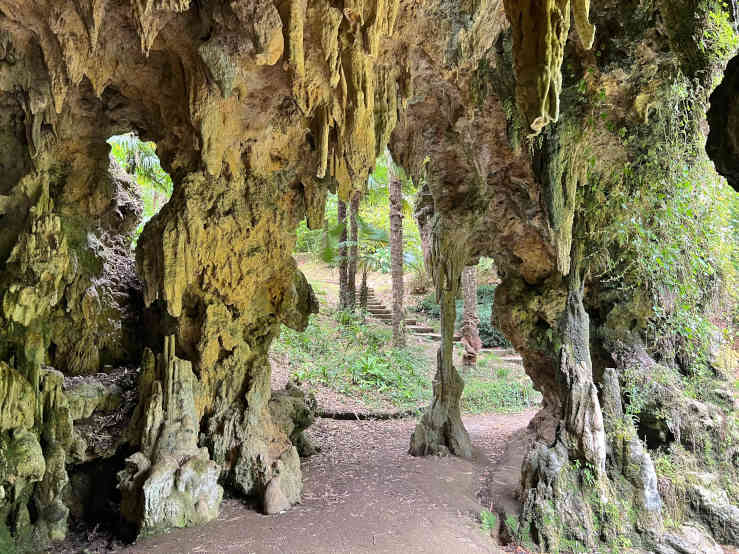
The grotto in Aiete Park.
We take our time exploring the park’s mountainous yet lush landscape, filled with colourful flowers, grasses, palms, hydrangeas, and bamboo. Its manicured gardens, fountains, grotto with stalactites and stalagmites, and shady woodland paths create a peaceful oasis that contrasts with the bustling city. Aiete also houses a cultural centre and a Holocaust memorial, adding even more layers to its rich heritage. This makes it another fascinating spot for activities and cultural exploration in San Sebastián.
5. Things to See at Mount Urgull Above San Sebastián (Northeast)
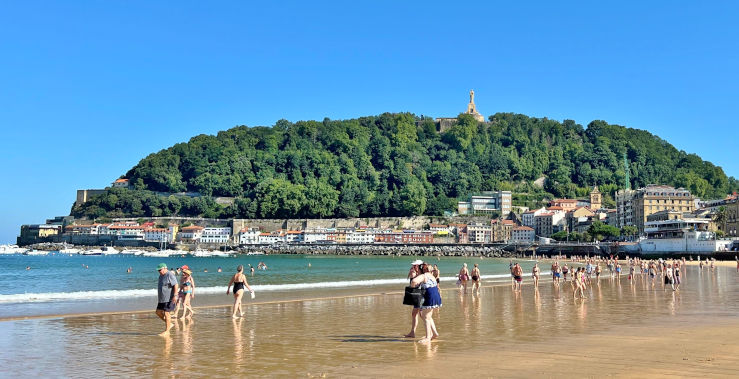
Mount Urgull.
We feel like going for a short hike, and Mount Urgull quickly proves to be one of the most rewarding things to do in San Sebastián – a perfect blend of nature, history, and breathtaking views. As we follow the well-marked trails, we are rewarded with sweeping panoramas over La Concha Bay and the city beyond.
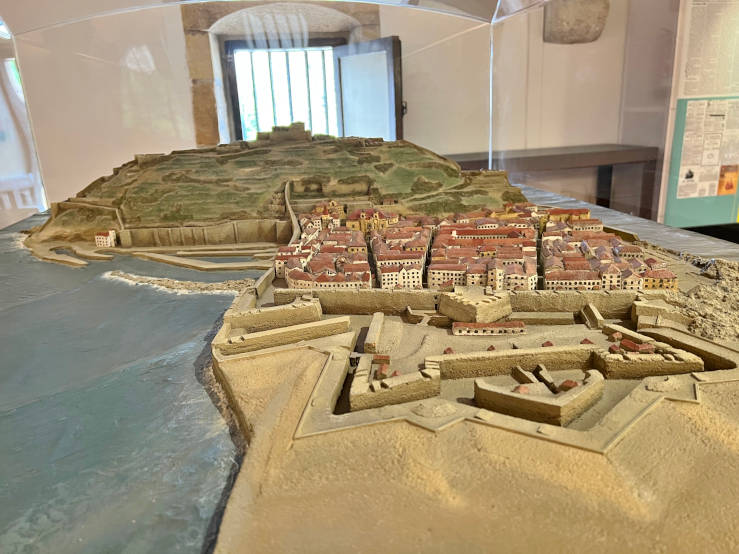
Casa de la Historia, Mount Urgull.
At the summit, the impressive Castillo de la Mota fortress stands as a reminder of San Sebastián’s strategic military past, guarding the harbour for centuries. Just nearby, we step into the Casa de la Historia museum, where engaging exhibits invite us to explore the city’s fascinating journey – from a humble fishing village to a fashionable royal resort – bringing its rich cultural and historic milestones vividly to life.
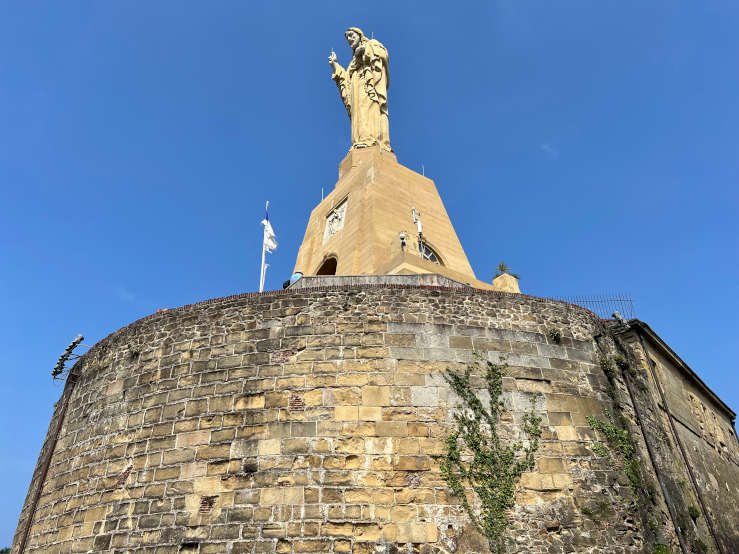
Statue of the Sacred Heart of Jesus, Mount Urgull.
One of the most iconic landmarks here is the towering statue of the Sacred Heart of Jesus, symbolising the city’s rich religious and military heritage, closely tied to its historic role as a key port. As we follow the trails, we come across historic attractions, such as old fortifications and monuments, each offering insight into the strategic past of San Sebastián. The hike is both scenic and educational, making it one of the most captivating activities in San Sebastián for anyone interested in the cultural attractions and history of the Basque region of Spain.
The surrounding Basque coast offers additional natural and cultural highlights that complement this hike.
Discover the dramatic Flysch cliffs of Zumaia on a geological coastal journey
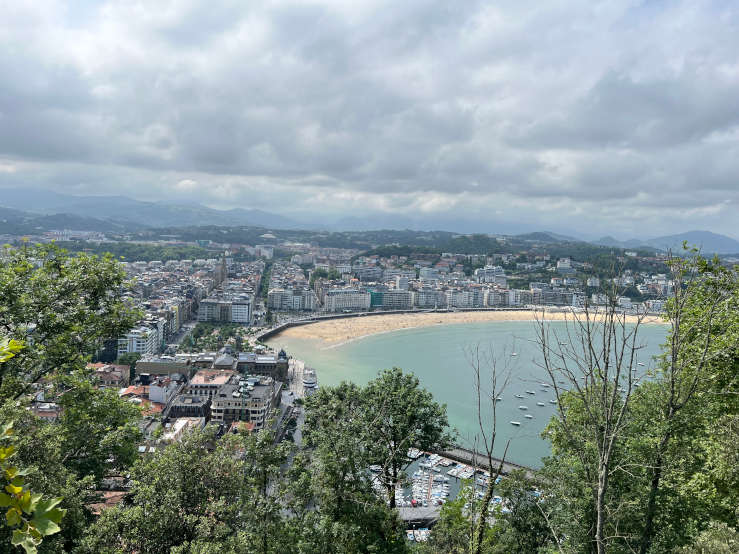
Photo: Travel In Culture
6. Things to Do at Mount Igueldo Above San Sebastián (Northwest)
Mount Igueldo is best known for its charming Belle Époque funicular, which carries visitors up to the summit where a retro amusement park awaits, full of old-school charm and quirky rides that reflect the area’s historic character. We choose to walk up the steep road instead, and a friendly local points us to a shortcut using the stairs – a quieter, more peaceful route that feels like a little hidden adventure.
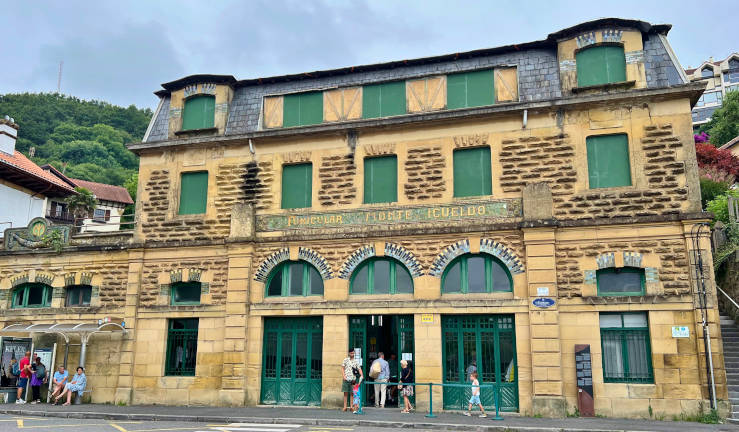
The Belle Époque funicular building.
From the mount, sweeping panoramic views stretch across the city and La Concha Bay, making it well worth adding to the list of things to do in San Sebastián. At the foot of the mountain, we spot Eduardo Chillida’s iconic Comb of the Wind sculpture. Although the nearby geyser sculpture does not erupt at low tide, we spend some time here watching an Instagrammer trying to climb onto the wind statue for the perfect shot!
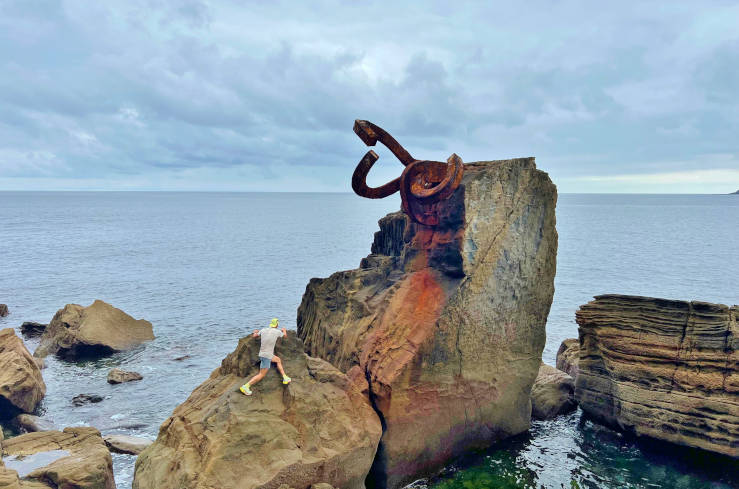
Eduardo Chillida’s iconic Comb of the Wind sculpture.
7. Pintxo Culture in Spain – Flavour Meets Tradition in San Sebastián
Basque cuisine features a variety of traditional dishes, cakes, and tarts, including a signature cheesecake – and, of course, pintxos. Pintxo culture in the Basque Country is much more than just food – it is a social and culinary ritual deeply woven into daily life. It is, quite simply, the Basque cultural identity!
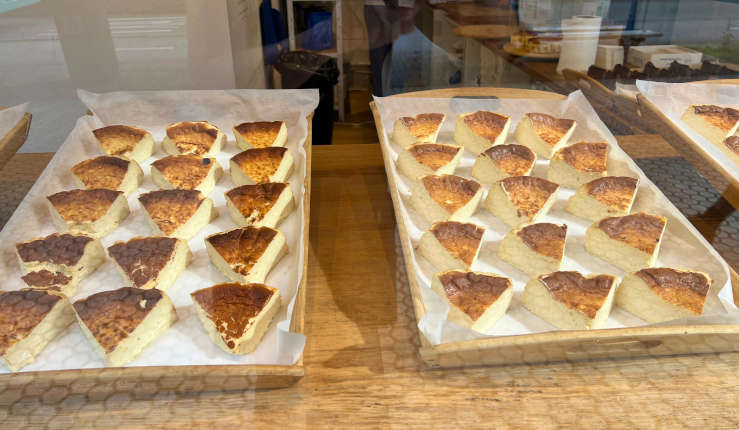
Basque cheesecake is a beloved local speciality in San Sebastián (Spain).
In San Sebastián’s Old Town, traditional bars buzz with locals and visitors alike, gathering to enjoy these small, flavourful bites, often paired with a drink in the popular pote-pintxo style. This vibrant tradition is closely linked to the city’s food markets, such as La Bretxa, where fresh local produce inspires the creative pintxos served. It remains one of the true attractions in San Sebastián, with almost every bar setting out an enticing array of pintxos on the counter from mid-morning onwards, including the old bar just down our street in Amara.
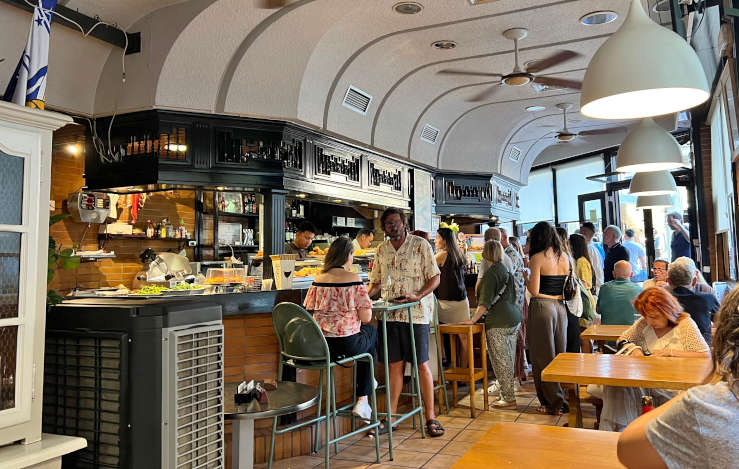
Urtxori-bi.
We experience the pote-pintxo concept on a Thursday evening in Gros, a lively neighbourhood centred around Plaza Cataluña, with its church and theatre as familiar landmarks. Introduced during the financial crisis, this concept offered an affordable way to enjoy a night out: a drink and a bite for a reasonable price.
At Urtxori-bi, we savour bacalao, tomato with goat’s cheese, and stuffed tomato, washed down with a refreshing tinto verano. In Zabaleta Street, the Thursday pote-pintxo tradition is also in full swing, with several bars participating in this convivial custom. We see for ourselves that for the Basques, pintxos are more than just a culinary delight – they are a symbol of cultural identity and an important part of social life.
Frequently Asked Questions
What are the best things to do in San Sebastián?
The best things to do include exploring the Old Town, walking along La Concha Beach, visiting Mount Urgull, and enjoying pintxos culture. The city also offers museums, Belle Époque architecture, and scenic viewpoints.
Is San Sebastián worth visiting?
San Sebastián is one of Spain’s most elegant coastal cities, known for its beaches, gastronomy, and cultural heritage. It offers a balanced mix of nature, history, and food experiences.
What is San Sebastián most famous for?
The city is most famous for La Concha Beach, its pintxos bars, and its Belle Époque architecture. It is also recognised as one of Europe’s top culinary destinations.
How many days do you need in San Sebastián?
Two to three days is ideal to explore the main attractions, enjoy the Old Town, and visit viewpoints. Longer stays allow time for day trips along the Basque coast.
What is the best area to stay in San Sebastián?
The Old Town and Centro Romántico are the best areas for first-time visitors. Both offer easy access to beaches, restaurants, and cultural landmarks.
What food should I try in San Sebastián?
Pintxos are the most iconic local food, found in bars throughout the Old Town. Basque cheesecake and fresh seafood are also highly recommended.
Is Mount Urgull worth visiting?
Mount Urgull offers panoramic views over La Concha Bay and the city. It also features historic fortifications and museums that explain San Sebastián’s past.
When is the best time to visit San Sebastián?
Late spring and early autumn offer pleasant weather and fewer crowds. Summer is popular for beaches but tends to be busier.
Ready to explore the rugged Basque coast around Donostia? You might want to start by reading: Taking a Flysch Trip to Zumaia – Explore the Geological Wonders – or find inspiration in our article about Hiking to the Seafaring Village of Pasaia.
Read next: 9 Best Things to Do in Bilbao – Art, Culture & Old Town and Visit Spectacular Greenland