


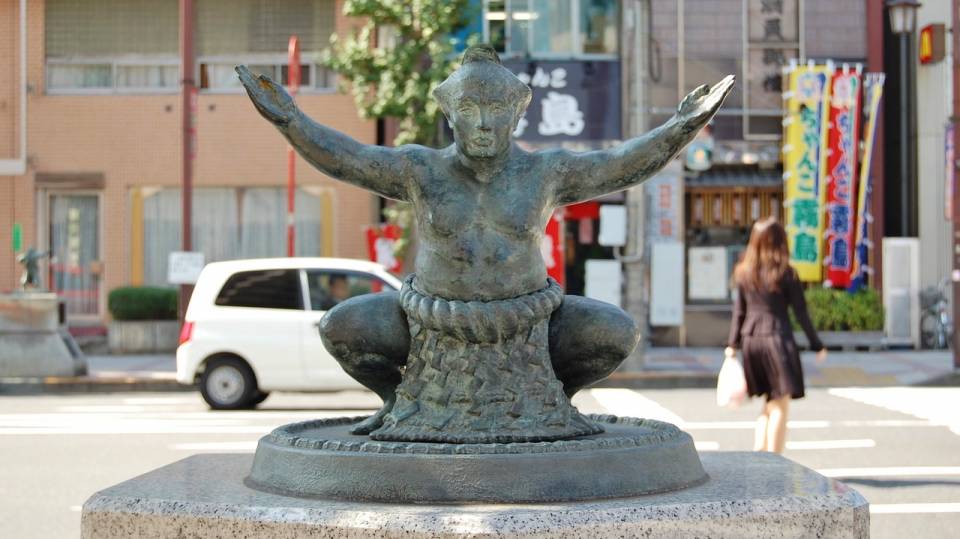
Watch Sumo Wrestling in Tokyo: Sumo Stables and Morning Training
By ANL | UPDATED:
Why Sumo in Tokyo Is Unique
- 🇯🇵 Japan’s national sport — steeped in history, ritual, and tradition
- 🧿 Shinto ceremonies — purification rituals and spiritual preparation
- 🪶 Learn the rules & etiquette — respectful behaviour in the sumo stable
- 🎟️ Live in Ryogoku — experience the atmosphere up close
- 🥢 Taste the sumo diet — discover the traditional chanko meal
- 📆 Tournament months — January, May, and September for peak action
- 🗺️ Sumo overview — essential tips for first-time visitors
→ Explore the rules, etiquette, and insider tips
Sumo wrestling is one of the most distinctive elements of Tokyo’s traditional culture, combining ritual, history, and competition. To understand how it fits within the wider cultural landscape of the city, see the Tokyo culture guide. To place Tokyo in a wider national context, the Japan travel guide provides structured insights into cities, culture, and travel planning.
1. Introduction to Sumo Wrestling in Tokyo
Among all the sports in Japan, one stands out not only for its physicality but also for its deep connection to history and ritual: sumo wrestling. Even outside the official tournament season, Tokyo offers opportunities to witness this uniquely Japanese tradition at local sumo stables, providing visitors with a rare glimpse into a world where strength, discipline, and centuries-old ritual coexist. If you are visiting Tokyo and seeking a truly immersive experience, watching sumo wrestling is a must.
For most visitors, Tokyo conjures images of skyscrapers, neon lights, and bustling train stations. Sports enthusiasts might think of the Yomiuri Giants or Yakult Swallows, Tokyo’s beloved baseball teams, or even the city’s growing basketball and football scenes. Yet, nestled within this modern metropolis is a world where tradition reigns supreme: the sumo ring.

Bamboo ladles used in the purification ritual before sumo practice. The water symbolises cleansing and spiritual preparation, an integral part of sumo’s ancient traditions | Photo: Travel In Culture
Japanese sumo wrestling is more than a contest of size and strength. It is a living ceremony, a blend of athletic discipline and spiritual practice. Originally, sumo was a discipline to entertain the gods, and many rituals from that period persist within the sumo ring today. For visitors interested in sumo wrestling in Tokyo, witnessing these ancient rituals in person offers a deeper insight into Japan’s rich cultural heritage. Watching sumo wrestling is just one way to dive deep into Japan’s rich traditions. To truly immerse yourself in Japan’s diverse cultural offerings, consider our cultural travel method, which guides you through authentic, meaningful experiences across the country.
The Japan Sumo Association, headquartered in Tokyo, preserves centuries of rituals that link each match to Shinto beliefs, from the salt thrown to purify the ring to the symbolic stomps that drive away evil spirits. For visitors seeking a deeper cultural experience, watching sumo in Tokyo is as much about observing the rituals and hierarchy as it is about the bouts themselves. It can be considered just as significant as experiencing sakura, the cherry blossom season in Japan.
Pair your sumo visit with a stay at Tokyo wellness hotels or ryokan, especially those offering traditional baths (onsen), for a fully immersive cultural experience. Here are some excellent authentic Japanese ryokan options:
Prefer more options? Check availability for your travel dates.
2. Where to Watch Sumo in Tokyo: Stables and Morning Practice
Official sumo tournaments are held only three times a year: January, May, and September. However, the city offers year-round opportunities to experience the sport of sumo through morning practice sessions, known as keiko, at local sumo stables in Tokyo.
Most stables are located in the Ryogoku district, historically the heart of sumo in Tokyo. Visiting these sumo stables in Tokyo allows you to witness the intense training routines that underpin each wrestler’s performance in tournaments. Some stables, such as Arashio Beya, offer viewing through windows, allowing spectators to observe up close without disrupting the wrestlers.

Sumo wrestlers practicing during morning keiko, showcasing the discipline and intensity that define their daily training routines.
During a sumo morning practice session, the atmosphere is almost tangible. The room hums with focus; wrestlers move with precision, practising falls, throws, and grips, each movement honed over years. Standing behind the glass, it is impossible not to feel a mixture of awe and respect for these athletes, whose lives are defined by discipline, hierarchy, and ritual. To fully appreciate the experience, it is essential to understand the rules and etiquette when visiting sumo stables in Tokyo.
Tip: Confirm schedules with each sumo stable Tokyo before visiting, as practices can vary depending on tournaments and the wrestlers’ routines.
3. Tokyo Sumo Stables: Rules, Etiquette, and Gender Separation
Sumo remains an exclusively male sport – a fact that is rarely questioned in Japan. Watching sumo wrestling comes with strict etiquette, reflecting the deep respect and reverence that the sport commands. Visitors are expected to:
- Sit in the traditional Japanese seiza position, ensuring the soles of your feet never point towards the sumo ring.
- Refrain from speaking, eating, or using flash photography. Even the smallest movement can disrupt the wrestlers’ intense focus.
- Follow the instructions from stable staff regarding entry, exit, and seating arrangements.
Some sumo stables in Tokyo maintain gender-specific viewing areas, in line with centuries-old traditions. Women may be restricted from accessing certain spaces, reflecting the historical male dominance of the sport. These rules are not designed to exclude anyone, but instead, to preserve the sanctity and spiritual significance of the practice.

Mount Fuji stands as a symbol of strength, endurance, and spiritual purity, much like the sumo wrestlers who train relentlessly to reach perfection | Photo: Travel In Culture
As the matches unfold, the balance of strength among the wrestlers is revealed. The more frequently a wrestler is knocked down, the more his body and thighs become painted with brown clay. As the duels progress, the deeper the brown marks become. A hierarchy exists among the sumo wrestlers, with each fighter moving up or down the ranking scale depending on their results after every tournament. By watching sumo, visitors quickly realise that the sport is not merely a spectacle, but a disciplined, sacred practice where every action is guided by focus and respect.
4. The Sumo Wrestlers’ Daily Life and Diet
To truly appreciate sumo, it is essential to understand the daily life of a rikishi (wrestler). During the tournaments, the rikishi fight every day, putting their bodies to the test. However, for the rest of the year, they focus on gaining weight and refining their strength through rigorous training. The heavier a sumo wrestler is, the more likely he is to successfully knock down his opponent and avoid being thrown.
| Time | Activity | Details |
|---|---|---|
| 6:00 AM | Morning Training | 5 hours of intense physical training (Keiko) |
| 12:00 PM | Lunch (Chankonabe) | A hearty stew to aid in weight gain and nutrition |
| 1:00 PM | Rest/Nap | Important for digestion and recovery |
| 3:00 PM | Afternoon Training | Light sparring and technique practice |
| 5:00 PM | Dinner | Light meal, followed by relaxation |
Outside of the tournament season, sumo wrestlers adhere to strict routines designed to build strength, size, and skill:
- Morning training (keiko): This typically lasts for five hours on an empty stomach. The session includes stretching, bodyweight exercises, and practice bouts, all of which are carried out with laser-like focus.
- Meals: Contrary to popular myths, rikishi do not eat constantly to gain weight. They consume only two large meals per day, centered around chankonabe, a rich stew made with fish, meat, tofu, noodles, and vegetables. Bowls of rice and occasionally beer are served alongside to assist in weight gain. The idea that wrestlers binge eat all day is simply not true. Their meals are carefully planned to promote healthy, controlled weight gain.
- Rest and recovery: After their hearty lunch, rikishi take a nap to help with digestion and to maximise weight gain. This rest period is crucial for optimising performance, ensuring that the wrestlers are fully recovered and prepared for the next day’s training.
Watching this daily routine in action within the confines of a sumo stable in Tokyo is an eye-opening experience. Each rikishi’s schedule is crafted to enhance strength, endurance, and focus, showing how sumo is not just about raw power, but also about discipline, science, and tradition.
5. Understanding Your Sumo Experience
To fully appreciate sumo wrestling, whether in Tokyo or elsewhere in Japan, it helps to to understand the rules, rituals, and the profound cultural and spiritual significance behind each match and training session.
Sumo wrestling tournaments, known as basho, last for 15 days, with wrestlers competing daily. After each tournament, the rankings, or banzuke, are updated to reflect the performance of each rikishi. Higher-ranking wrestlers earn not only prestige but also privileges and responsibilities within the stable hierarchy.
Every sumo wrestling match follows strict rules: the first wrestler to touch the ground with any part of their body other than the soles of their feet, or who steps out of the ring voluntarily, loses. Yet, beyond the fierce competition, each bout incorporates ritualistic elements: salt purification, ceremonial stomps, and symbolic gestures. These factors remind spectators that sumo is as much a spiritual discipline as it is an athletic endeavour.

Sumo wrestlers in intense morning training in a sumo stable in Tokyo.
In Tokyo, several sumo stables in the Ryogoku district allow visitors to watch sumo morning practice (keiko). Ryogoku is the historic heart of sumo in the city, and most of the stables are located here. Each stable has its own set of rules for visitors. Generally, entering a session means committing to stay for the entire practice. Leaving early would be considered disrespectful to the wrestlers.
However, at Arashio Beya stable, visitors can observe the sumo morning practice through a window, allowing for a more flexible experience. You can stand and watch, leaving at any time if needed. This option is available for most of the year, except during tournaments. To ensure that training is taking place on a given day, it is best to check the stable’s website, which also provides directions to the location. For those seeking a deeper understanding, guided tours are highly recommended, as they provide more insight into the sport’s rich traditions and rituals.
| Fact | Details |
|---|---|
| Tournaments | Held three times a year: January, May, and September. |
| Training Sessions | Morning practice (keiko) lasts about 5 hours. |
| Sumo Wrestler’s Diet | Focus on chankonabe, a high-calorie stew, and two large meals per day. |
| Sumo Stables | Located primarily in the Ryogoku district of Tokyo. |
| Sumo Rules | First wrestler to touch the ground (other than feet) or step outside the ring loses. |
| Gender Restrictions | Women are often restricted from certain areas in sumo stables. |
Tokyo offers several curated experiences that allow visitors to combine sumo wrestling with broader cultural explorations in traditional neighbourhoods, such as Asakusa and Yanaka, or around the Meiji Jingu Shrine. Many sumo stables are conveniently located near museums, temples, and traditional shopping streets in the Ryogoku area, making it easy to explore the district’s rich history and culture alongside the sumo experience.
By engaging with sumo wrestling, you are not just watching a sport. You are witnessing a sacred tradition that is as much a part of Tokyo as its towering skyline. Guided tours can further enhance your visit by offering historical context, explanations of the sumo ranking system, and insider stories that reveal the spiritual significance of the sport.
6. Planning Your Sumo Experience in Tokyo
Watching sumo wrestling in Tokyo is not just about witnessing strength; it is about immersing yourself in a living cultural tradition. From the wrestlers’ hair tied in traditional topknots to their clay-painted bodies, each detail carries centuries of meaning. Every stomp, every ceremonial gesture, and even the profound silence of the spectators reflects the spiritual and historical depth of the sport.
To fully appreciate the experience, keep a few practical tips in mind:
- Arrive early: Morning training sessions, or keiko, follow strict schedules. Late arrivals can be disruptive and may cause you to miss important rituals.
- Dress comfortably: Sitting in the traditional seiza position for hours can be challenging. Wear something that allows ease of movement to help you remain comfortable throughout the session.
- Respect boundaries: Always follow the instructions from stable staff regarding photography, movement, and cultural norms. Some stables may have restricted access for women in certain areas, so be sure to respect these traditions.
- Engage with context: Take time to learn about the wrestlers’ routines, hierarchy, and diet. Understanding these aspects will enhance your experience and help you appreciate the dedication and discipline involved in sumo.
- Combine with cultural exploration: Pair your sumo visit with nearby temples, museums, and curated cultural tours to deepen your understanding of Tokyo’s rich heritage.
By following these tips, you do not just watch sumo. You respectfully participate in a centuries-old Japanese tradition, forging a deeper connection to both the sport and the culture that sustains it. The experience is as much about immersing yourself in the rituals as it is about witnessing the athletic prowess of the wrestlers. By engaging with sumo and other cultural activities in Tokyo, you step into Japan’s timeless heritage. To make your cultural exploration even more profound, discover how to incorporate meaningful local experiences.
Sumo wrestling offers a chance to witness Japan’s unique spiritual and cultural traditions, all while exploring the vibrant city of Tokyo. Whether you are visiting for the tournaments or witnessing daily practice at a sumo stable, this ancient sport will leave you with a deeper understanding of Japanese heritage. Ready to dive into this cultural experience? Arrange you tour and immerse yourself in Tokyo’s timeless traditions today!
More Information – FAQs
To help you plan your visit, below you will find answers to some of the most frequently asked questions about sumo wrestling in Tokyo.
What is the best time to watch sumo wrestling in Tokyo?
The best time to watch sumo wrestling in Tokyo is during the official tournaments (basho), which are held three times a year: January, May, and September. You can also watch sumo morning practice at sumo stables throughout the year.
How long do sumo wrestling tournaments last?
Sumo wrestling tournaments, known as ‘basho,’ last for 15 days, with wrestlers competing daily.
Can I watch sumo morning practice at any stable?
Yes, you can watch sumo morning practice (keiko) at many sumo stables in the Ryogoku district of Tokyo. Some stables even offer the ability to observe through windows, but it is important to check schedules in advance.
Are there any rules I need to follow when visiting a sumo stable?
Yes, visitors are expected to follow certain rules, such as remaining quiet, refraining from using flash photography, and respecting the gender-specific areas in some sumo stables.
Is sumo wrestling in Tokyo suitable for families with children?
Yes, sumo wrestling in Tokyo can be a great experience for families. However, it is important to check if the sumo stable or event allows children, as some places have age restrictions or specific rules regarding younger visitors.
Read more about Tokyo in our ultimate guide to Tokyo and find inspiration for your stay with our recommendations on accommodation in Tokyo tailored to your preferences.

Images courtesy of Travel In Culture. Selected images from Pixabay.