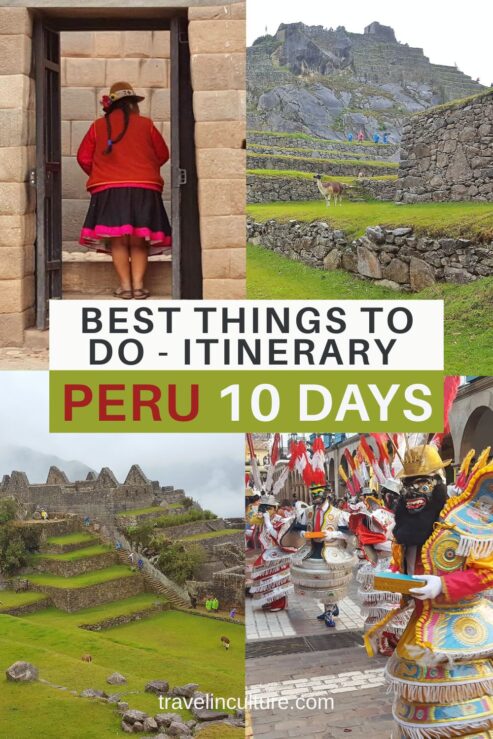





Ultimate Peru Itinerary: Top Things to Do and See in Peru in 10 Days
By ANL | UPDATED:
Things to See, Do & Visit in Peru – 10-day Itinerary
Day 1-3: Cusco – Plaza de Armas, Korikancha, San Blas, San Pedro Market
Day 4: The Sacred Valley – Pisac, Maras, Moray, Ollantaytambo
Day 5: Machu Picchu
Day 6: Cusco – Sacsayhuaman, Cristo Blanco
Day 7: Lake Titicaca
Day 8-10: Copacabana or Arequipa
➤ Where to Stay in Cusco?
➤ Where to Stay at Machu Picchu / Aguas Calientes?
Planning your trip to Peru? Before diving into the breathtaking landscapes and Inca ruins, take your travel experience to the next level. Discover how to travel authentically with this method to experience Peru’s rich traditions and local life in a deeper way. It is the perfect way to immerse yourself in the heart of the Andes.
Planning your trip: For some of the most remarkable things to do in Peru and the absolute highlights of the Andes, a Peru itinerary includes Cusco, the Sacred Valley, Machu Picchu, and Lake Titicaca. This route lets you explore the finest things to see in Peru, from the incredible Inca constructions and elegant colonial architecture of Cusco to the vibrant traditions and culture of modern Peru. Along the way, you experience must-visit sites, immerse yourself in authentic local life, and enjoy a rich introduction to Peru travel at its very best.
How to plan your trip? The 10-day Peru itinerary outlined below covers many of the top things to do and favourite places to visit in Peru, beginning in Cusco and heading south through the stunning Andean landscapes. While you could easily spend more days exploring the region, this itinerary is perfectly achievable in 10 days. If you start your trip in Lima, spending a few days there first lets you experience the vibrant capital before flying to Cusco, where your 10-day Peru travel adventure begins.
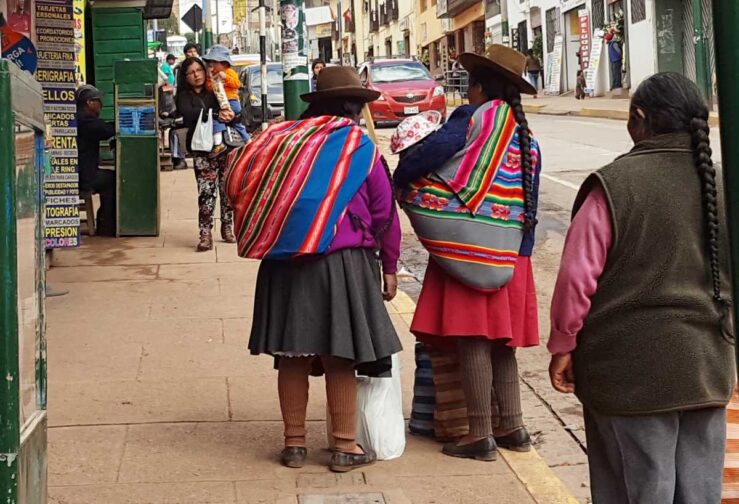
Photo: Travel In Culture
Day 1-3: Cusco
Arriving in Cusco at 3,400 m (11,000 ft), we move slowly, letting our bodies adjust to the altitude before exploring too much. The crisp mountain air fills our lungs as we wander at a gentle pace through the nearby streets. Taking a few hours to breathe, stroll and soak in the city’s rhythms helps us ease into life in Cusco and prepares us for the exciting things to see in Peru that await in the days ahead. Sipping a warm cup of mate de coca, offered at most hotels, can also, according to locals, help relieve soroche, the Peruvian word for altitude sickness.
We step into the heart of Cusco at Plaza de Armas, taking a moment to sit on a bench and absorb the lively rhythm of the city. The square buzzes with locals and visitors, while street performers add a cheerful atmosphere to our first hours in the Andes. Surrounded by a blend of colonial architecture and traces of 15th- and 16th-century Inca foundations, the plaza reflects the city’s layered history, from its role as an Inca ceremonial centre to its transformation under Spanish rule.

Plaza de Armas, Cusco | Photo: Travel In Culture
The Cusco Cathedral rises above the square, its Gothic-Renaissance style standing as a striking reminder of Spanish influence. Nearby, we notice women dressed in traditional Andean clothing, carrying children in aguayo slings or transporting goods in the colourful woven fabrics that are iconic in the region. The markets around the plaza display intricate textiles, local crafts and fresh produce, giving us a glimpse into daily life and centuries-old traditions.

Plaza de Armas, Cusco | Photo: Travel In Culture
As we stroll through the square, we sense how Cusco blends ancient and modern cultures. Musicians share captivating Peruvian melodies that fill the streets with life. Pausing to glance into cafés and restaurants, many of which display no menu outside, we take in our first impressions of the city and feel the pulse of Peruvian culture. On Day 2, we even get to experience a strikingly vibrant carnival procession in the plaza. This is a perfect introduction to the things to see in Peru that await us during our itinerary.
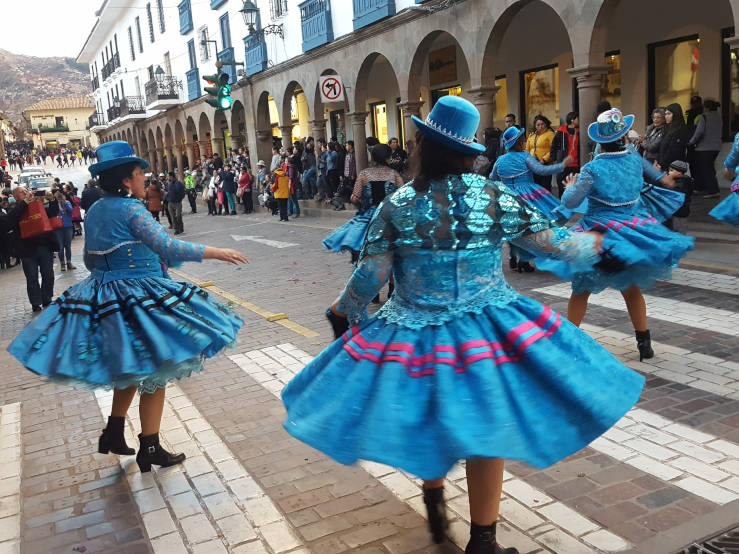
Carnival in Cusco.
We make our way to Korikancha, also known as Qurikancha in Quechua, the sacred Inca temple that forms one of the most important sites in Cusco. As we approach, we sense the grandeur the temple must have had in the Inca Empire, once adorned with gleaming gold panels and intricate decorations. Wandering among the stone walls, we notice how precisely the blocks fit together, their sharp edges and perfect alignment allowing the structures to withstand centuries of earthquakes.
Nearby, visitors are drawn to the Twelve Angled Stone, its perfectly cut edges and complex angles forming another striking example of Inca mastery. We cannot help but feel a deep connection to the civilisation that once flourished here, appreciating both the technical brilliance and the spiritual significance of the intricate stonework.
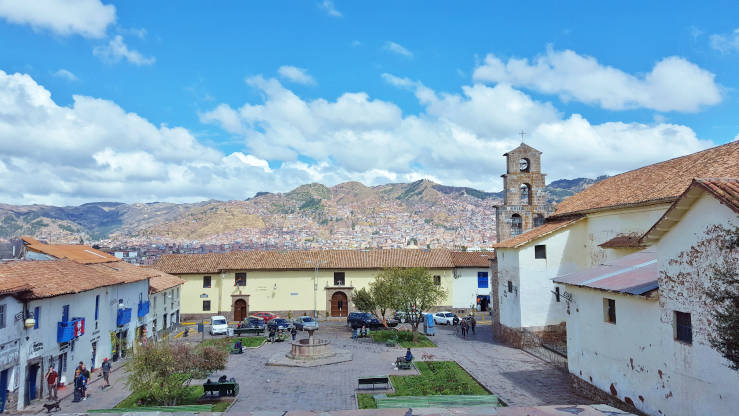
The San Blas Neighbourhood.
We wander into the scenic San Blas district, captivated by its picture-postcard colonial houses, bohemian cafés and tiny Andean shops brimming with Peruvian handicrafts. The Plazoleta de San Blas forms the heart of the neighbourhood, home to the oldest church in Cusco, renowned for its intricate cedar woodcarvings carved from a single tree.
Moving through the narrow, cobbled streets, we sense the historical depth beneath our feet. Before the arrival of the Spanish, San Blas was a significant Inca settlement, known as T’oqokachi, and echoes of its past remain in the layout and charm of the district. Climbing the streets above the square, we pause to admire magnificent views over the rooftops of Cusco, feeling the city unfold beneath us.
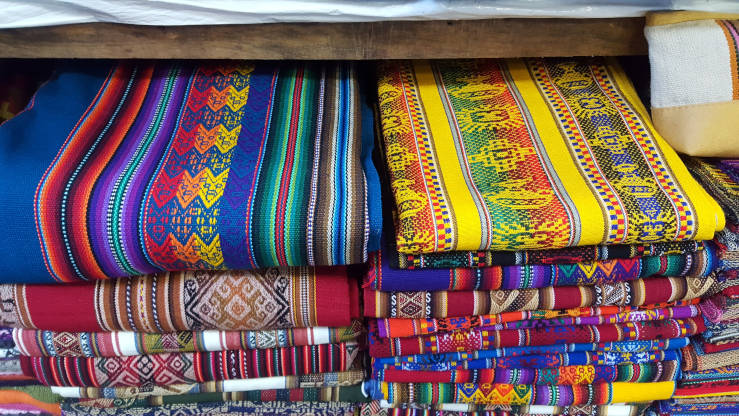
Photo: Travel In Culture
As we enter San Pedro Market, Cusco’s most famous covered market, we immediately feel the energy of daily life in the city. Stalls brim with fresh bread, colourful vegetables, local cheeses and meats, while the scent of herbs, flowers, and roasting corn fills the air. Around us, vendors display woven fabrics, alpaca clothing, handicrafts and souvenirs, each piece reflecting the traditions and skills of the Andes. Moving through the market, we take in the colours, textures and aromas, capturing the essence of authentic Cusco life.
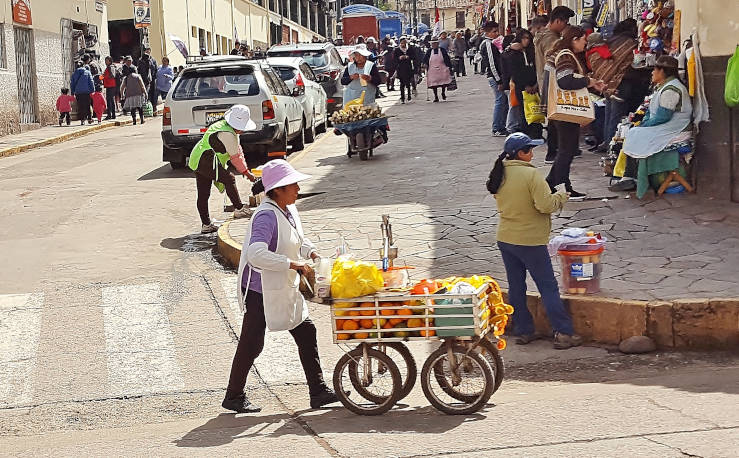
Street vendor in Cusco.
Venturing into the surrounding streets, we encounter street sellers offering fruit, drinks and a wide variety of goods, adding to the lively, vibrant atmosphere. This is one of the must-visit places in Cusco, a perfect spot to immerse ourselves in Peruvian culture and the everyday rhythms of the city, while enjoying one of the top things to do in Peru.
Visit and See More Things and Places in Peru?
Compare Peru with your own country:
Crime Rate in Peru
McMeal Price in Peru
We explore a few smaller local markets beyond San Pedro. For traditional alpaca clothing, the Mercado Artesanal on Avenida Tullumayo offers colourful textiles and handmade garments. Near Plaza San Francisco, the Feria Artesanal de Productores El Marquez features crafts, souvenirs and local products. Wandering through these markets, we admire the patterns, textures and colours, soaking up the authentic Peruvian culture. These hidden markets are among the must-visit places to see in Peru on our itinerary. Get more inspiration and historic details in our Cusco travel guide.
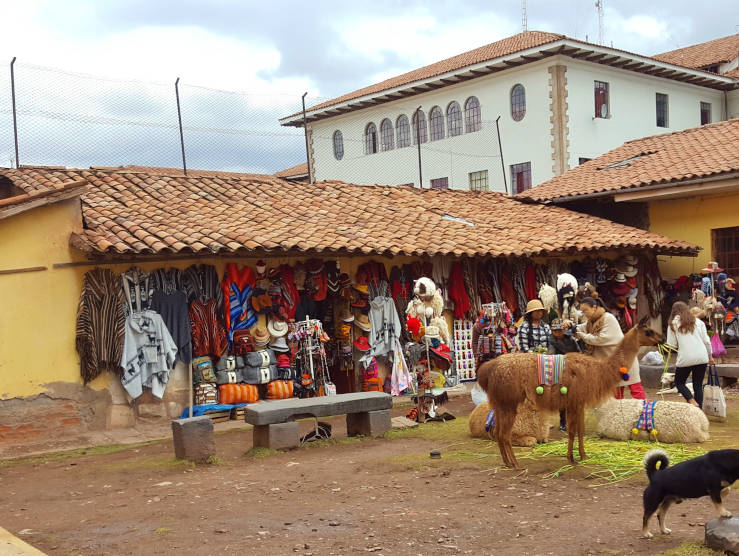
Feria Artesanal de Productores El Marquez, a local Peruvian market.
Cusco also boasts some outstanding cultural museums. These include the Museo Inka, the Museo de la Coca, the Museo de Arte Precolombino, and the Museo Municipal de Arte Contemporáneo. Each offers a unique glimpse into Peru’s history, art and traditions, adding depth to any itinerary and highlighting some of the top things to see in Peru.
The hotels listed below are ideally situated in the heart of the charming city of Cusco, offering easy access to its vibrant local culture.
Day 4: Exploring The Sacred Valley
On Day 4 of our Peru itinerary, we embark on a memorable journey through the Sacred Valley, guided by a local tour operator. The best way to travel is by minivan, with the final leg of the journey to Machu Picchu completed by train. As we travel by van, the panoramic views of the Andes unfold before us, offering glimpses of some of Peru’s most iconic landscapes. Today, we will dive deep into Inca heritage, explore breathtaking scenery, and visit vibrant Andean towns. Our itinerary takes us to the Pisac Inca ruins, the Moray terraces, the Maras salt pans, and more, finishing with a visit to Ollantaytambo.
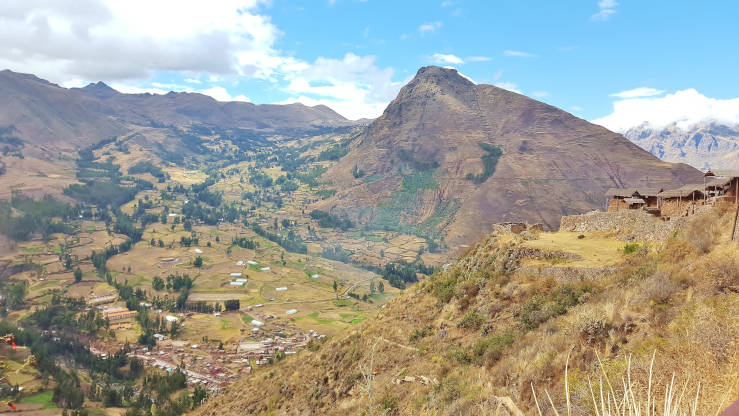
Urubamba Valley, Pisac.
Arriving in Pisac, we are immediately struck by the terraced hillsides that rise steeply from the village below. Famous for its vibrant craft market, Pisac is also home to remarkable Inca ruins perched high above, overseeing the valley. These ancient structures offer insight into the strategic military significance and ceremonial role of the site. Among the most striking features are the funerary niches carved into the mountainside, offering a poignant glimpse into the spiritual practices of the Incas.
The hike up to the ruins is challenging. The ‘steps’ are large stone blocks, and I quickly find myself struggling to keep pace with our guide, who is accustomed to the steep ascent. But the reward is well worth it: breathtaking views of the valley below and a deep connection to this ancient place.
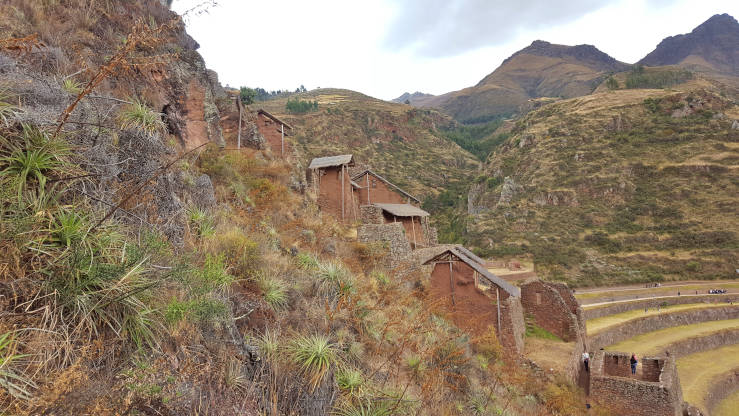
Inca ruins in Pisac.
Continuing our journey through the Sacred Valley, we arrive at Urubamba, the largest town along the valley floor and a lively hub beside the Urubamba River. This bustling town holds traces of its Inca past, including the remains of the Quispiguanca palace complex, hinting at its former importance. We stop for lunch at a local restaurant.
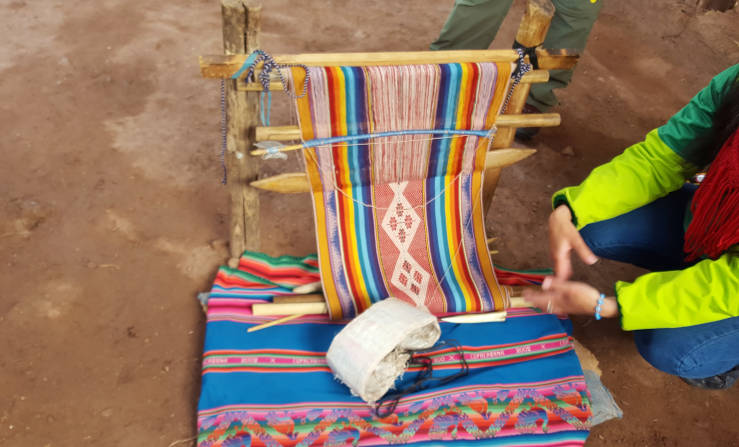
Traditional Peruvian weaving.
Known as the birthplace of the rainbow, Chinchero is a small Andean village that combines Inca stonework, sweeping terraces, and a vibrant market. Here, weavers practice traditional techniques, creating colorful textiles in intricate patterns. Chinchero is the perfect place to shop for authentic Peruvian fabrics while immersing yourself in a vivid blend of craft, culture, and history.
Next, we visit Moray, one of the most remarkable things to do in Peru that highlights the agricultural ingenuity of the Incas. As we walk among the circular terraces, we can almost feel the innovation that led the Incas to experiment with crops at varying altitudes. Today, local shepherds still graze their livestock among the terraces, blending ancient agricultural practices with modern-day life.
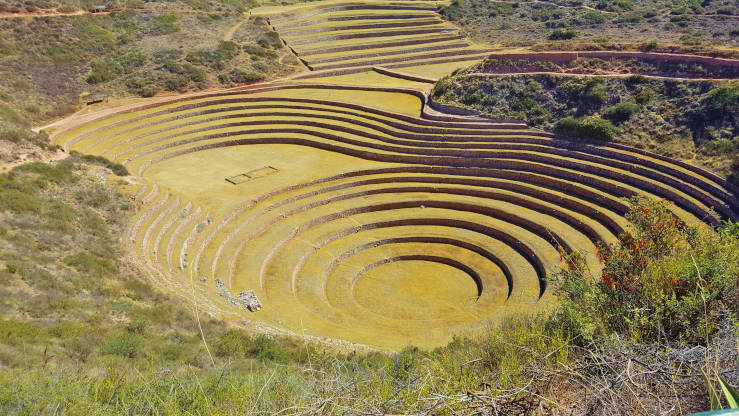
Moray Terraces.
A highlight of our visit is when we encounter a local shepherd tending to his flock. This moment provides a vivid reminder of how these terraces have long been used for livestock grazing, continuing a practice that dates back centuries.
For anyone planning their Peru itinerary, Moray offers a unique opportunity to explore an essential aspect of Inca culture, where agricultural mastery once allowed the Incas to adapt to the diverse Andean landscape.
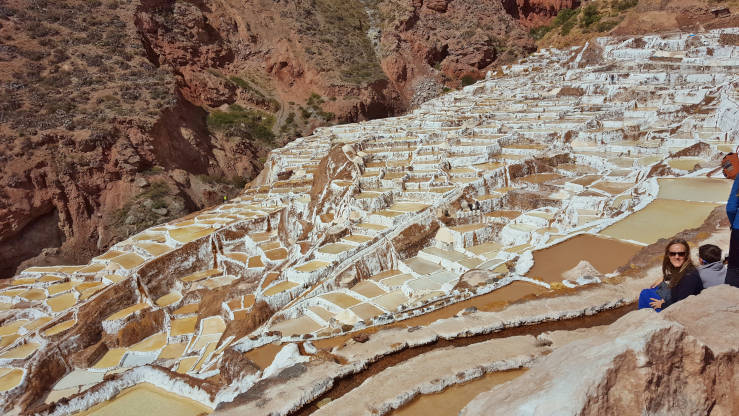
Maras Salt Pans.
Continuing along our Peru itinerary, we make sure to visit Maras, one of the must-see places in Peru. The Salineras de Maras, a series of ancient salt pans nestled in the mountainside, offer a stunning view of shimmering terraced salt basins. Dating back to Inca times, these salt pans are still in use today, where brine from underground sources is channeled into the basins and evaporates to leave behind fine, pure salt.
A visit to Maras not only offers insight into Peru travel and Inca ingenuity but also provides one of the most photogenic spots along our Sacred Valley journey. Our guide knows exactly where to take us for the best photos, making this one of the most scenic stops on our adventure.
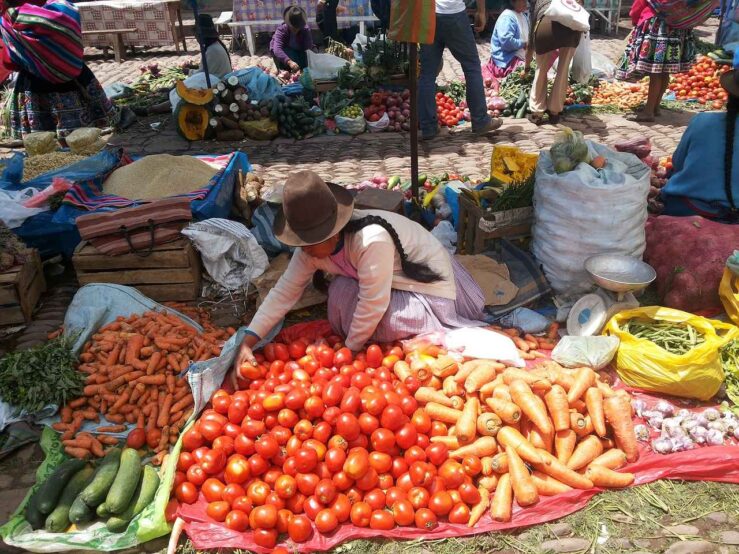
Ollantaytambo market | Photo: Ana Arantes
As we reach Ollantaytambo, the last stop before heading to Machu Picchu by train, we are greeted by impressive fortress ruins. Ollantaytambo is one of the must-see places in Peru and offers a fascinating glimpse into the military might of the Incas. The stunning stonework of the ruins sparks our imaginations as we picture what life must have been like here during Inca times.
When the Spaniards arrived in the 1500s, they mistook this impressive fortress for Machu Picchu, believing they had found the legendary citadel. Today, Ollantaytambo remains a top attraction in Peru, offering visitors a chance to explore its ancient ruins while strolling through a village still home to local inhabitants.
Tip: Make sure to book your Sacred Valley tour well in advance, as it is one of the most popular day trips from Cusco. Opting for a guided tour can offer deeper insight into the history and significance of these incredible sites.
Read more about the Sacred Valley: Sacred Valley, Maras, Moray, and Inca Ruins in Pisac
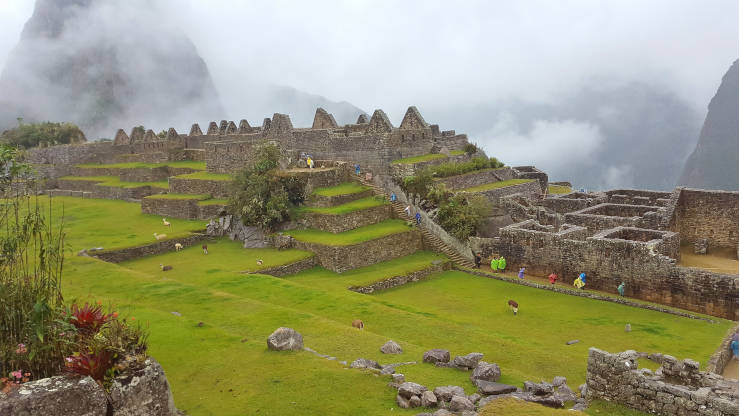
Photo: Travel In Culture
Would you like to be conveniently located for your visits to Machu Picchu? Then you might consider one of the hotels in Aguas Calientes listed below.
Day 5: Top Things to See in Peru: Machu Picchu – Planning & Practical Tips
On Day 5 of our 10-day Peru itinerary, we continue our adventure to Machu Picchu by train. The scenic journey itself is one of the best ways to experience the stunning Peruvian landscape. As we travel, we are treated to glimpses of the lush Amazon rainforest and subtropical jungle that surround the Inca citadel, adding to the sense of mystery and excitement.
The trip requires advance planning to secure tickets for the correct train. We board the ‘tourist train’ in Ollantaytambo, which is far from the luxury options like the Vista Dome or Hiram Bingham, but still offers a comfortable ride and great views. While our tickets come at a premium compared to the local train, we cannot help but notice the significant price difference: the local train, which is reserved exclusively for Peruvians, is far cheaper. As we make our way towards Machu Picchu, we cross paths with a local train travelling in the opposite direction, packed with Peruvians heading home or to their next destination.
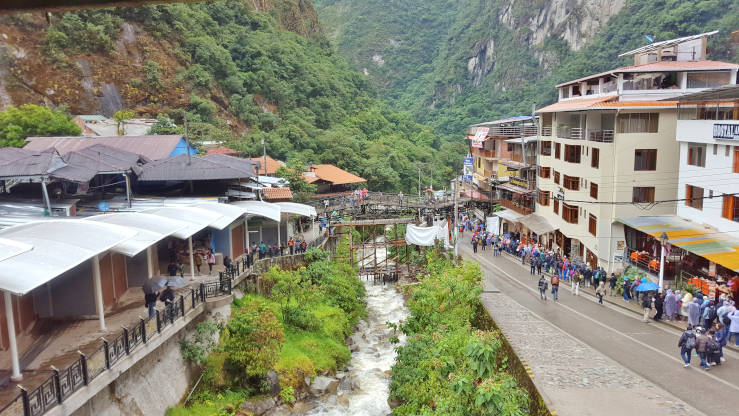
Aguas Calientes.
The train ride is nothing short of spectacular. It winds through the steep Urubamba Valley, following the river as the mountains rise sharply on either side. Each bend offers a new view: mist-wrapped mountains shrouded in fog, dense greenery that seems to hold the secrets of a long-lost civilisation, and dramatic cliffs that give the landscape an almost magical quality.
The anticipation builds with each passing mile. With every twist and turn of the track, it feels like we are getting closer to something sacred, something hidden. We can feel it in the air: we are about to step onto sacred Inca ground.
Tip: Make sure to book both your Machu Picchu tickets and train tickets (especially if you are hoping to travel on the Vista Dome or Hiram Bingham train) well in advance, as both can sell out quickly due to high demand.
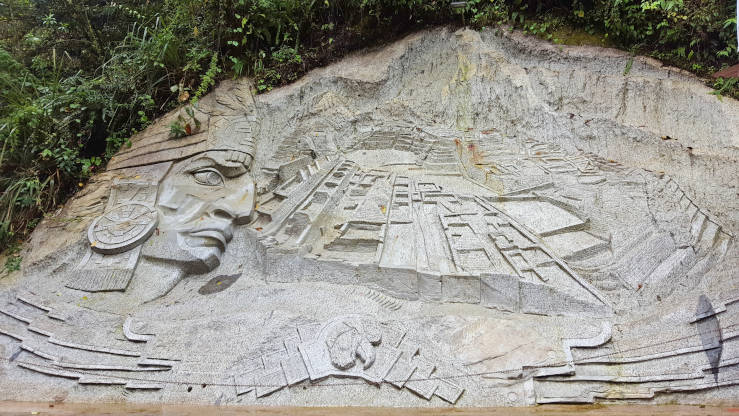
Photo: Travel In Culture
After arriving at Aguas Calientes, we check into our hotel for the night. This small town, nestled at the base of Machu Picchu, is named after the natural hot springs found there. We rise early the next morning, eager to be among the first visitors to the ancient Inca site. Although we do not make it in time for sunrise, we are still awestruck by the ethereal atmosphere, as the citadel is often shrouded in mist, thanks to the tropical cloud forest climate.
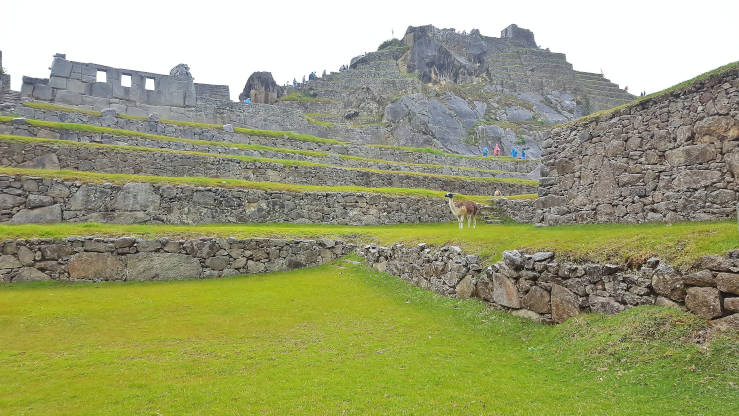
Machu Picchu terraces.
Machu Picchu is a popular destination for trekkers, especially those who reach the Sun Gate (Inti Punku) at dawn after hiking the Inca Trail, Salkantay Trek, or Lares Trek. We cannot help but marvel at the majestic ruins and their stunning mountain backdrop – even if the rain pours down to a greater or lesser extent! While we take in the views, we remind ourselves that Machu Picchu is one of the most iconic sites in Peru, and visiting this site is one of the highlights of any Peru itinerary.
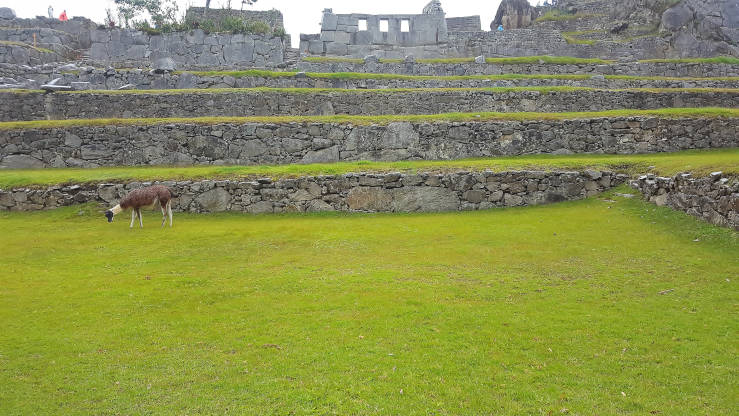
Photo: Travel In Culture
For a deeper dive into the history and significance of Machu Picchu, we recommend reading our detailed tour description and guide on Machu Picchu and Inca Culture
After exploring the citadel, we stroll through the streets of Aguas Calientes along the river, where we catch sight of some of the most beautiful, colourful birds. The mountain town offers a few exceptional bird-watching spots, such as Mandor, and the surrounding rainforest is rich in birdlife. It is well worth considering a guided tour to immerse yourself in the unique rainforest flora and vibrant birdlife!
Another main draw is the geothermally heated pools – perfect for trekkers seeking relaxation after an exhausting hike.
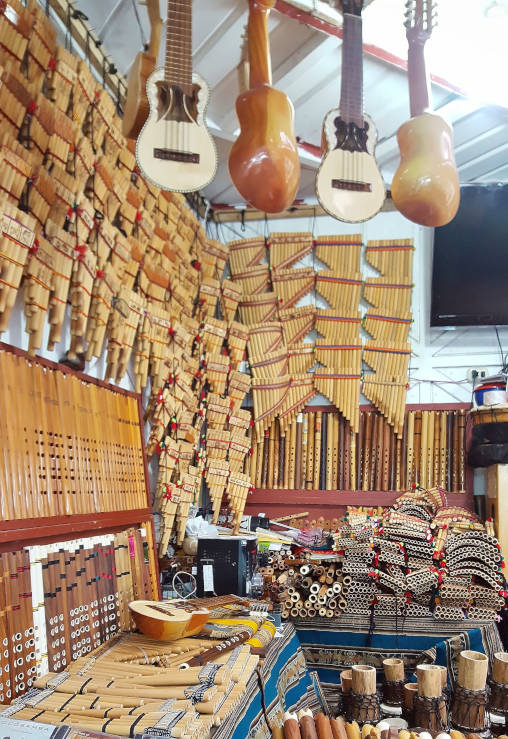
Local Peruvian market.
In the afternoon, we visit Aguas Calientes’ handicraft market, then catch the train back toward Cusco (via Ollantaytambo, where we transfer to a minivan). By the time we arrive, we are utterly exhausted but exhilarated. Visiting Machu Picchu is a once-in-a-lifetime experience that we will never forget – even though we had the weather against us!
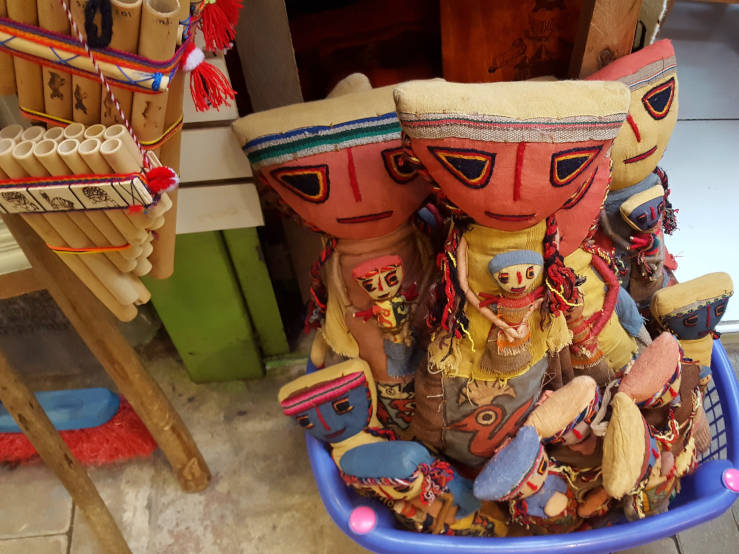
Photo: Travel In Culture
Day 6: Exploring Cusco’s Sights
On Day 6, we enjoy a more relaxed pace as we revisit our favourite spots and explore new corners of Cusco. This day is all about soaking in the city’s energy, taking our time to wander the markets, and enjoying some of the iconic sights at our own pace. It is also worth mentioning that bargaining is customary at the local markets – and it is important to respect the local traditions!
Why not take the afternoon to visit Sacsayhuaman, one of the most striking Inca sites in Cusco. The citadel is perched on a hilltop overlooking the city, and though the hike up is a bit challenging, the views are definitely worth it. The panoramic vistas of Cusco below are unforgettable, and the impressive stonework of the ruins never fails to impress. Take a moment to marvel at the precision of the Inca masonry, with stones so perfectly cut that they appear glued together.

Sacsayhuaman | Photo: Tracy Clark
The brave, who still have energy, might consider heading to Cristo Blanco, the giant statue that overlooks Cusco from a nearby hill, Pukamuqu. It is visible from many points around the city, and while we may not make the hike up, we enjoy the sight of the statue from below. The statue’s towering presence often reminds us of the Cristo Redentor in Rio de Janeiro, standing as a guardian over the city.
As we take in the view, we are reminded of Cusco’s unique mix of cultural and religious influences, with Inca heritage blending seamlessly with the Christian traditions that have shaped the city today.
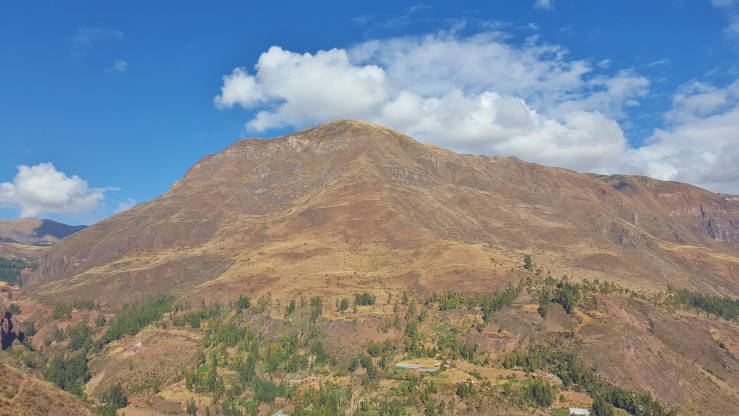
Photo: Travel In Culture
In the evening, we board an overnight bus to Puno, embarking on the journey to Lake Titicaca, the highest navigable lake in the world. The bus ride takes us through the dramatic Andean landscape, marking the transition to our next adventure. The trip is comfortable, traveling in a well-maintained Peru Hop bus, complete with blankets and a guide to assist with practical matters. For more information about traveling with Peru Hop from Cusco to La Paz, visit Adventure from Cusco to La Paz.
Day 7: Lake Titicaca – Exploring the Sacred Waters
On Day 7, we take a boat trip on the mystical waters of Lake Titicaca, the highest navigable lake in the world, nestled at an altitude of 3,812 m (12,507 ft). This lake is not only breathtaking but also rich in history and cultural heritage. We embark on a journey to visit the floating islands and witness the Uros people’s remarkable way of life.
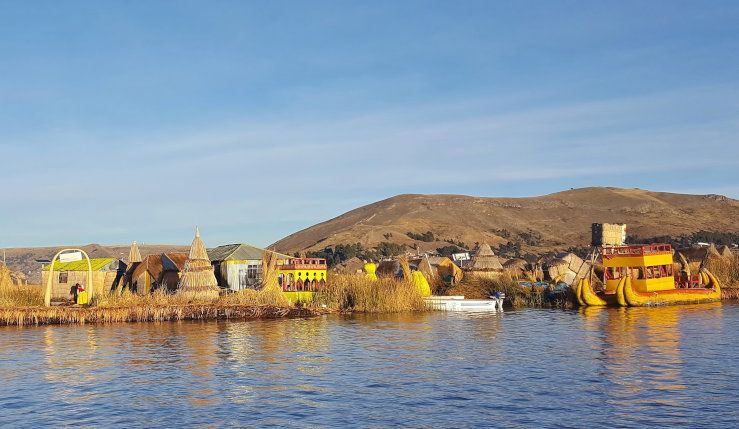
A visit to the Lake Titicaca floating islands is a highlight of the trip.
The journey offers us a unique chance to experience the traditional lifestyle of the Uros, who have lived on these floating islands for centuries. While their way of life is incredibly fascinating, it is also a fascinating blend of ancient traditions and modern influences. We get to see how they build their homes using totora reeds and use reed boats to navigate the lake’s expansive waters.
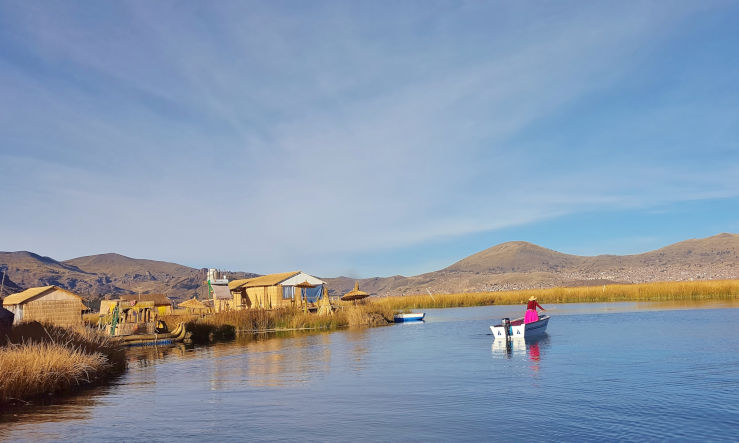
Photo: Travel In Culture
Although the islands themselves are fascinating, we also reflect on how these communities have adapted to tourism. The islands are now a popular stop for visitors from Puno, and we have the opportunity to meet the locals, get a glimpse of their homes, and browse local crafts, such as handwoven textiles and handmade souvenirs. It is a fascinating experience that brings us closer to the unique culture of the region.
We are also reminded of Lake Titicaca’s spiritual significance, considered the birthplace of the sun in Inca mythology. This sacred lake has witnessed centuries of history and remains a symbol of Peruvian identity. Another incredible destination on the lake is Taquile Island, located in the heart of the lake. Known for its stunning views and vibrant traditions, Taquile offers a peek into the indigenous Quechua-speaking community that has inhabited the island for centuries. The islanders are known for their remarkable textile work, and Taquile has been recognised by UNESCO for its cultural heritage.
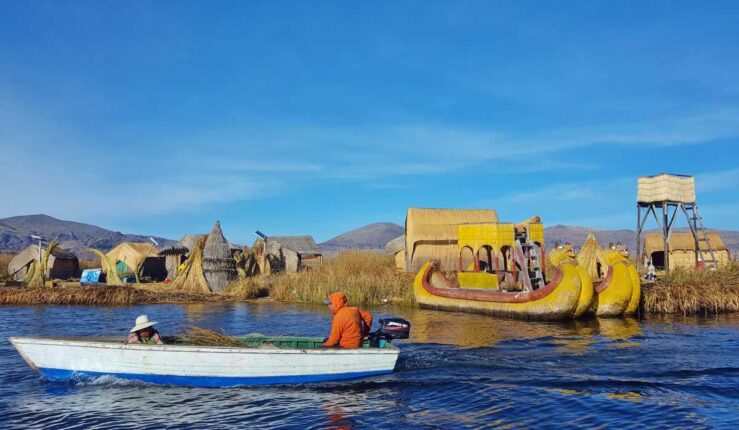
Things to do in Peru – Visit Lake Titicaca | Photo: Travel In Culture
In the evening, we head back to Puno, feeling inspired by the experience and the people who call Lake Titicaca home. In Puno, the cultural highlights include Puno Cathedral and Sillustani, a fascinating archaeological site.
Read more about Lake Titicaca and the history of its indigenous people: Call at the Lake Titicaca Floating Islands and the Uros People
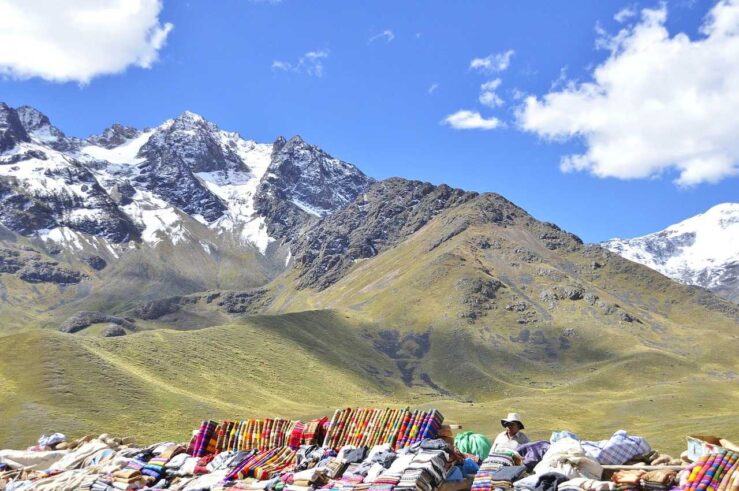
Among the top things to do when travelling around Peru is a visit to a local market in the Andes | Photo: Yolanda Coervers
Peru Itinerary: Day 8-10
At the end of Day 7, you will need to decide whether to return directly to Lima from Puno (by bus or plane) and conclude your Peru journey here with a visit to Lake Titicaca, or continue your adventure by bus. In our case, we decide to continue towards La Paz, Bolivia, with a convenient stopover in Copacabana. This charming town on the shores of Lake Titicaca offers a different perspective of the lake from the Bolivian side. While in Copacabana, you might even take a boat trip to Isla del Sol, believed to be the birthplace of the Inca legend.
If you have more than 10 days in Peru, another great option is to head south towards Arequipa, explore the Colca Canyon, or visit the mysterious Nazca Lines, before finally returning to Lima. Before embarking on your next cultural adventure, explore our Cultural Travel Method to enrich your journey with unique experiences and deep cultural insights.
Frequently Asked Questions
What is the best time to follow a 10-day Peru itinerary?
The best time to visit Peru is during the dry season from May to September. This period offers clearer skies in the Andes, making it ideal for Cusco, the Sacred Valley and Machu Picchu.
Do I need to book Machu Picchu tickets in advance?
Yes, Machu Picchu tickets and train journeys should be booked well in advance, especially in peak season. Daily visitor numbers are limited, and popular time slots sell out quickly.
How can I avoid altitude sickness in Cusco and Lake Titicaca?
Acclimatisation is important, so plan a slow first day in Cusco and stay hydrated. Coca tea and light activity can also help reduce symptoms at high altitude.
What is the best way to travel around Peru on this itinerary?
The most efficient way is a combination of domestic flights, guided tours and tourist buses. The Sacred Valley and Machu Picchu are typically accessed by organised tours and train from Ollantaytambo.
Is this 10-day Peru itinerary suitable for first-time visitors?
Yes, this itinerary is ideal for first-time visitors as it covers Peru’s main highlights. It includes Cusco, the Sacred Valley, Machu Picchu and Lake Titicaca in a well-balanced route.
What should I pack for a 10-day trip to Peru?
Pack layered clothing for changing temperatures, comfortable walking shoes and rain protection. Sun protection is also essential due to strong high-altitude sunlight.
Do I need guided tours for the Sacred Valley and Machu Picchu?
Guided tours are highly recommended as they provide historical context and efficient transport between sites. They also help with navigation and time management across multiple attractions.
Is Peru safe for travellers following this route?
Yes, the main tourist route through Cusco, the Sacred Valley, Machu Picchu and Lake Titicaca is generally safe. Standard precautions such as safeguarding valuables and using trusted operators are advised.
What to do in Peru? Get more inspiration for travelling from Cusco to Copacabana and La Paz by bus: By bus Cusco – Copacabana – La Paz
Read next: Try the Witches’ Market – Travel Guide to La Paz, Bolivia