





Takayama, Japan (Hida Takayama): Best Things to Do & 1-Day Itinerary
By ANL | UPDATED:
A practical guide to transport and exploration. Based on our own experience, supplemented by additional research and current information. All photographs in this article were taken by Travel In Culture.
Takayama, Japan (Hida Takayama), is a compact mountain town where preserved wooden merchant houses, morning markets, sake breweries, temples, and local food come together within an unusually walkable historic centre. Set in Gifu Prefecture’s Hida region, it is an appealing stop between central Japan’s major cities and the mountain landscapes of the Japanese Alps.
If you have only one day, the key is to start early: the morning markets are best visited before midday, leaving the rest of the day for Sanmachi-suji, Hida beef, Takayama Jinya, and the Higashiyama walking route.
✔ Best things to do in Takayama in 1 day
✔ Morning markets, old town, and temples
✔ How to get to Takayama from Tokyo and Kanazawa
✔ Where to stay in Takayama or nearby Kanazawa
✔ Suggested Japanese Alps itinerary
Takayama offers a slower, more atmospheric alternative to larger cities like Tokyo. Located in the mountainous Hida region, Hida Takayama is known for its preserved merchant houses, local food culture, and access to the Japanese Alps. Unlike larger cities such as Tokyo or Kyoto, Takayama offers a compact historic centre where most sights can be explored on foot in a single day. If you are following a more immersive approach to travel, see the Cultural Travel Method used across this guide.
🏯 Selected for a traditional Takayama experience → Honjin Hiranoya Kachoan
📍 Selected for a convenient Kanazawa base → UAN kanazawa
🚆 From Tokyo → Shinkansen to Nagoya + Limited Express Hida (≈4–4.5h)
🚆 From Kanazawa → JR train via Toyama (≈2–2.5h)
🗺️ Best plan → Arrive morning, explore old town + temples, return evening
Takayama is best visited as a cultural stop between Tokyo and Kanazawa. It also works well as part of a Japanese Alps itinerary.
For official train routes and timetables, see the
JR Central Limited Express Hida information.
Takayama is an easy day trip from Kanazawa, while visiting from Tokyo is possible as a long day trip but is better suited to an overnight stay. The town also works particularly well as a stop between Tokyo, the Japanese Alps, and Kanazawa. Located in the mountainous Hida region, Takayama, Japan (Hida Takayama) can be reached in a few hours by train. From the cultural city of Kanazawa, the route typically runs via Toyama before continuing into the Japanese Alps.
If you are planning a broader Japan itinerary, Takayama is often combined with destinations such as Tokyo, Kanazawa, and the historic villages of Shirakawa-go. From Tokyo, you can reach Takayama by train via Nagoya or Toyama, making it a rewarding cultural stop in the Japanese Alps.
📍 Location → Gifu Prefecture (Japanese Alps)
⏱️ Duration → 1 day (or overnight)
🚆 Access → Train from Tokyo / Kanazawa
🏯 Highlights → Sanmachi-suji, morning markets, temples
🍽️ Experience → Traditional Japan, local food, alpine scenery
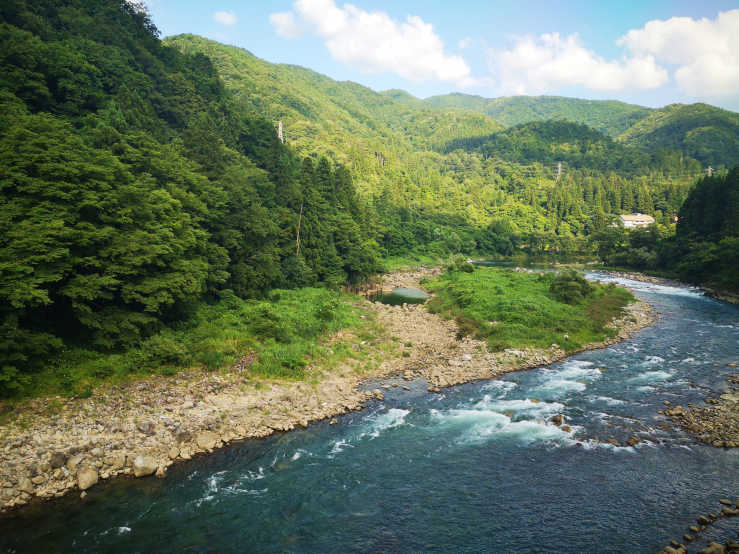
View from the train winding through the Japanese Alps on the journey to Takayama | Photo: Travel In Culture
The journey into Takayama is part of the experience itself, as the train winds through forested valleys and mountain rivers in the Japanese Alps.
During the Edo period, Takayama came under the direct control of the Tokugawa shogunate. The Hida region was valued for its abundant timber and skilled woodworking tradition, helping Takayama develop as an important centre for craftsmen, merchants, and trade. The legacy of that period is still visible in the town’s wooden buildings, traditional houses, and craft culture. Even today, you can get an insight into the town’s traditional crafts and the way of life of merchants in this part of Japan by visiting the old town and the shops of Takayama.
Suggested 1-day itinerary timing
08:00–10:00 → Morning markets
10:00–12:00 → Sanmachi-suji old town + Takayama Jinya
12:00–13:00 → Lunch (Hida beef / local food)
13:00–15:00 → Higashiyama Walking Course
15:00–16:30 → Museums or further exploration
16:30 onwards → Return train or dinner in Takayama
This itinerary is designed to experience Takayama’s historic streets, food culture, and temple landscapes in one efficient day.
If you are making several long-distance journeys around Japan, compare the current Japan Rail Pass price with the cost of individual tickets before deciding whether a pass offers value for your itinerary.

Best Things to Do in Takayama (1-Day Itinerary)
This Takayama itinerary is designed to help you experience the highlights of Hida Takayama in one day.
Start early for the morning markets. The Miyagawa and Jinya-mae markets generally run until noon, opening from 7:00 am from April to November and from 8:00 am from December to March. Then explore the old town and temples in the afternoon.
1. Takayama Morning Markets
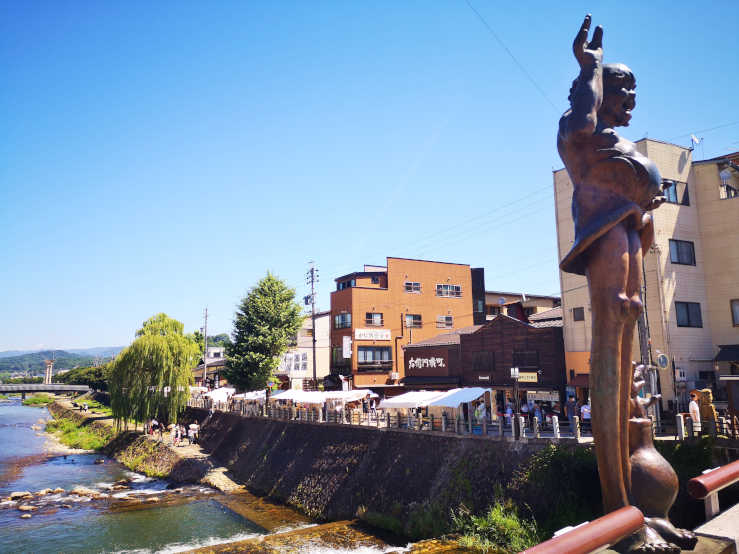
View of Takayama morning market from bridge over the Miyagawa River | Photo: Travel In Culture
The market area is split between the riverside stalls and the space around Takayama Jinya, making it easy to combine sightseeing with breakfast.
Official information about opening hours and locations can be found via the official Hida Takayama tourism website.
What to see in Takayama in one day?
If you arrive in Takayama in the morning, you will have enough time to experience the popular morning market (which generally close around noon), a long-established morning market. The two Takayama morning markets are in front of Takayama Jinya (a historical government house open to visitors) and along the Miyagawa River between Yayoi Bridge and Kaji Bridge. Notice the multitude of colourful carp swimming around in the river.
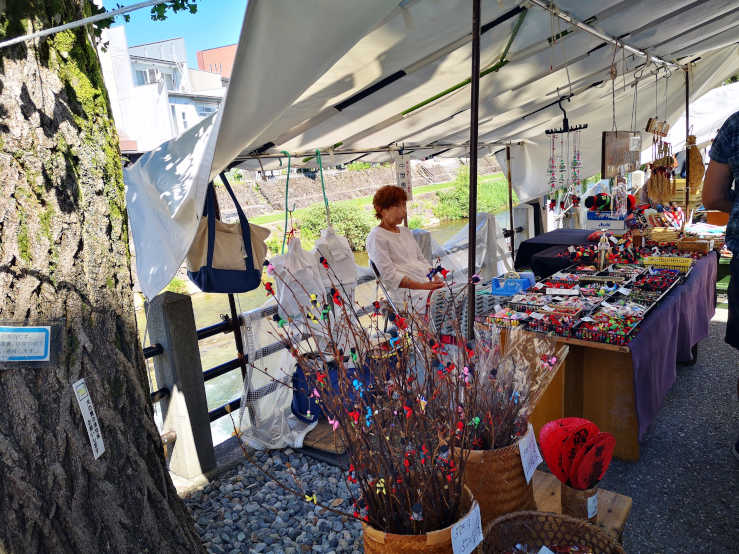
Stalls at the Miyagawa Morning Market in Takayama.
In the market stalls, you will find everything from fresh farm produce and flowers to food specialities, snacks, spices, and local crafts. One of the particular souvenirs from Takayama is a traditional faceless sarubobo doll, which exists in all sizes around the markets and souvenir shops.
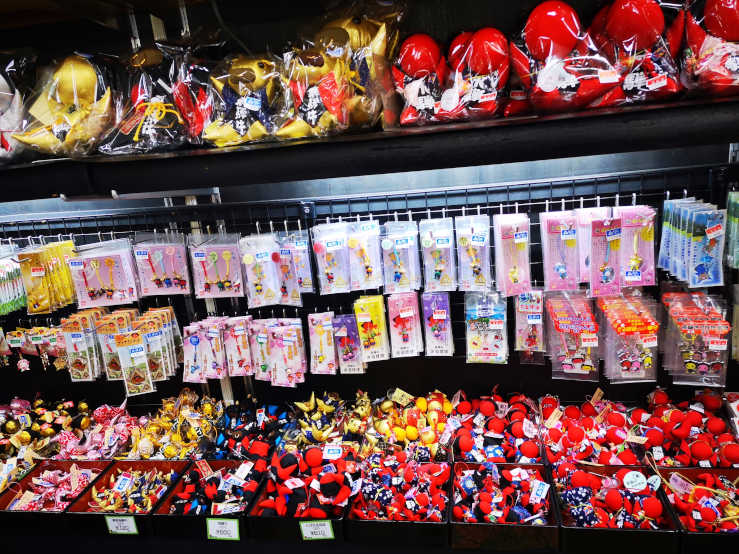
Traditional faceless Sarubobo dolls in all sizes are sold at Takayama morning market.
There is quite a village-like atmosphere along the picturesque river, and the riverbanks are full of visitors and locals alike. It is an excellent place for observing local life!
For a first visit, the morning markets are an easy way to see Takayama’s everyday food culture before exploring the historic centre.
If you are planning a trip to central Japan, Takayama is ideal for a 1-day itinerary focused on traditional streets, local food, and temple walks. It is often combined with Kanazawa and Shirakawa-go as part of a Japanese Alps travel route.
2. Sanmachi-suji Old Town
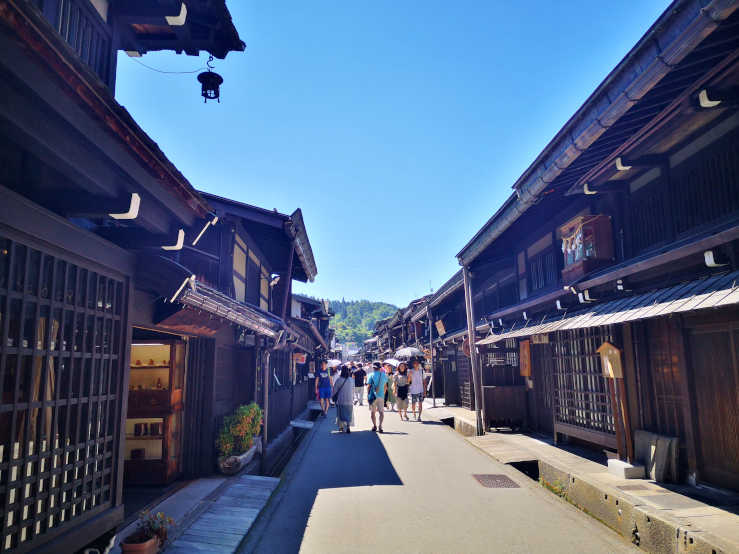
Historic street in Sanmachi-suji old town, Takayama | Photo: Travel In Culture
This is the most atmospheric part of Takayama, where wooden merchant houses, sake breweries, and small craft shops are still actively used today.
Sanmachi-suji is the best-known part of Takayama’s historic townscape, centred on three traditional streets, Ichino-machi, Nino-machi, and Sanno-machi. Together with nearby historic areas, these streets preserve the atmosphere of Takayama’s former merchant town. The old township dates back to the Edo era (1603-1868) when the Tokugawa family ruled Japan. The historic streets retain the scale and wooden architecture of a former merchant town, with traditional houses, sake breweries, craft shops, and small restaurants lining the narrow streets.
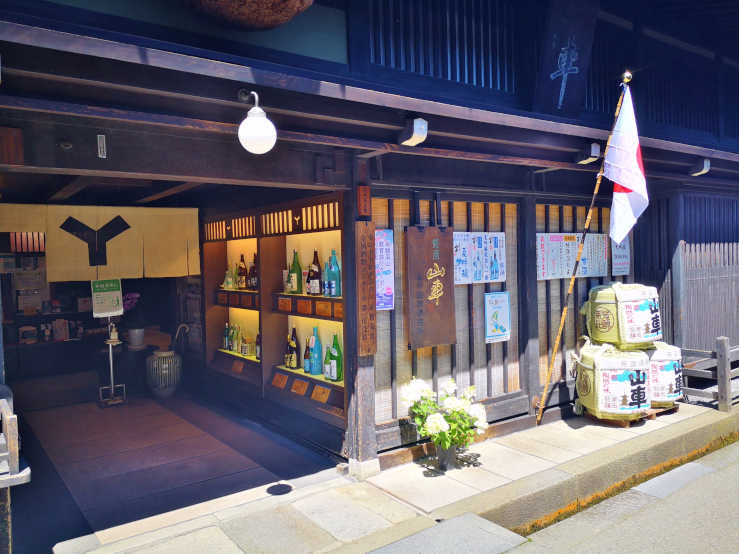
Sake brewery street scene with rice barrels in Takayama old town.
Rice barrels are often displayed as decorative symbols of sake culture in traditional brewery districts, but the clearest indicator of an active brewery is the hanging cedar ball (sugidama), which signals that new sake has been brewed. These green or brown cedar spheres are a common sight in historic brewing towns such as Takayama and Otaru in Hokkaido, helping visitors easily identify local sake producers along the street.
During the feudal ages, timber production was a principal industry in Takayama, with woodworking and carpentry as significant occupations.
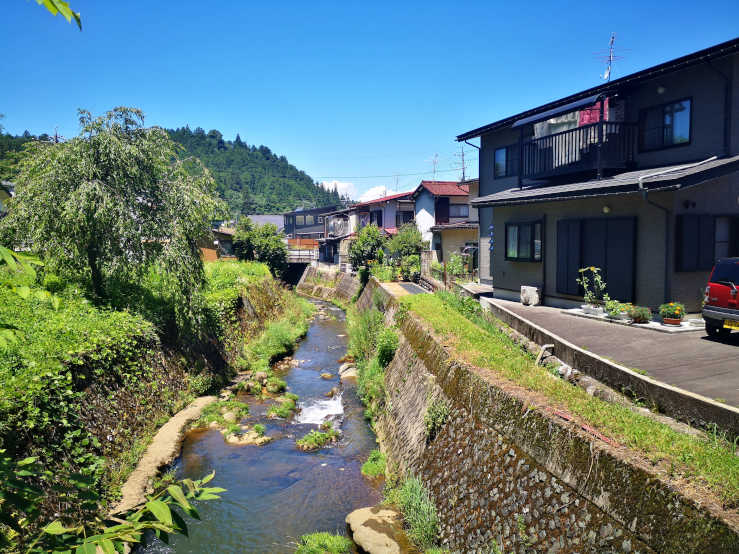
Small river flowing past residential houses in Takayama.
Just a short walk from the main streets, quieter residential areas reveal a more everyday side of Takayama away from the tourist flow.
This is a main highlight of any Takayama itinerary and a must-see in the old town area.
3. Sake Breweries and Hida Beef
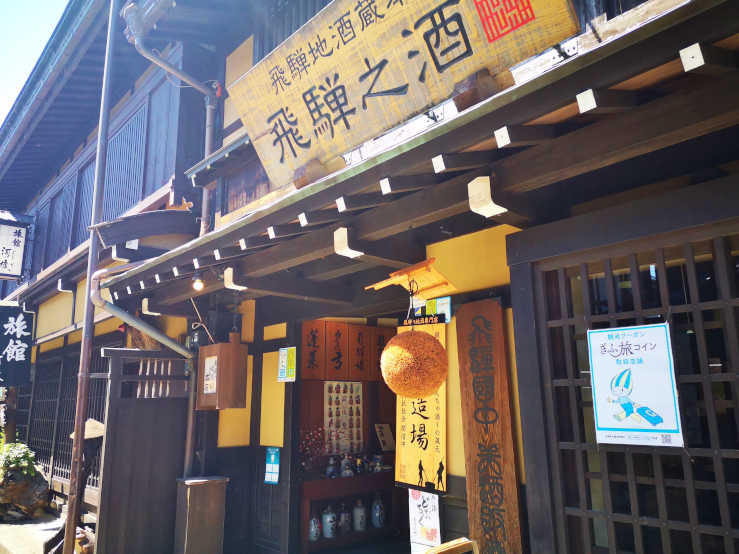
A sake brewery with the sugidama hanging over the entrance | Photo: Travel In Culture
The cedar ball (sugidama) is one of the clearest visual indicators of an active sake brewery in Japan.
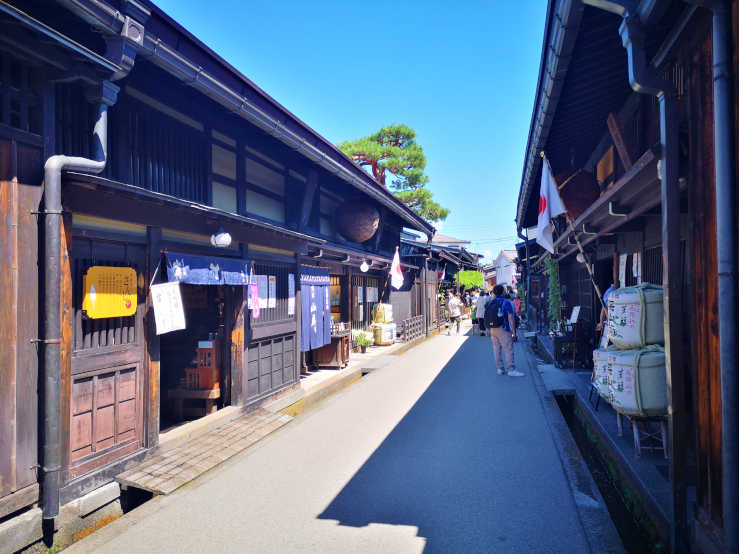
Traditional street in Takayama’s Sanmachi-suji district with decorative rice barrels in the foreground and a sake brewery marked by a sugidama further down the street.
The old townhouses with wooden fronts are former samurai or merchant houses established between the 17th and 19th centuries, and they are still in use as craft shops. The row of wooden structures even includes sake breweries, characterised by large cedar balls hanging over the entrance (sugidama)!
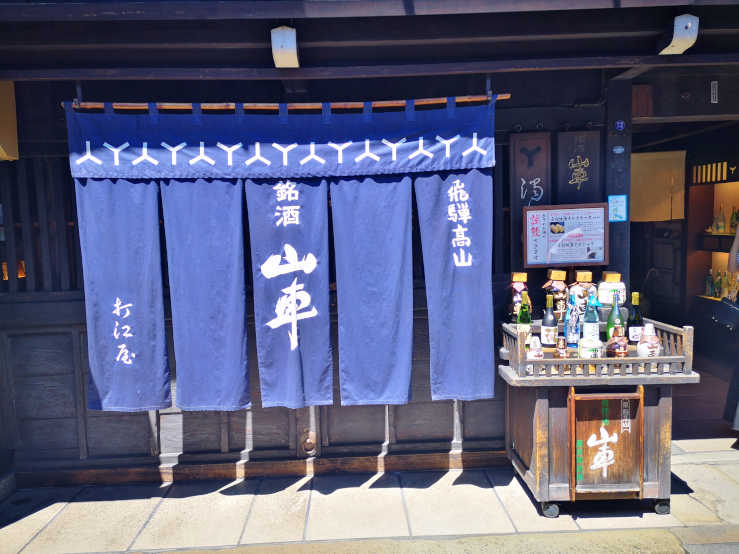
Traditional shopfront with bottles and hanging noren curtains in Takayama.
Many of these historic buildings are still functioning shops, selling locally brewed sake and regional specialities.
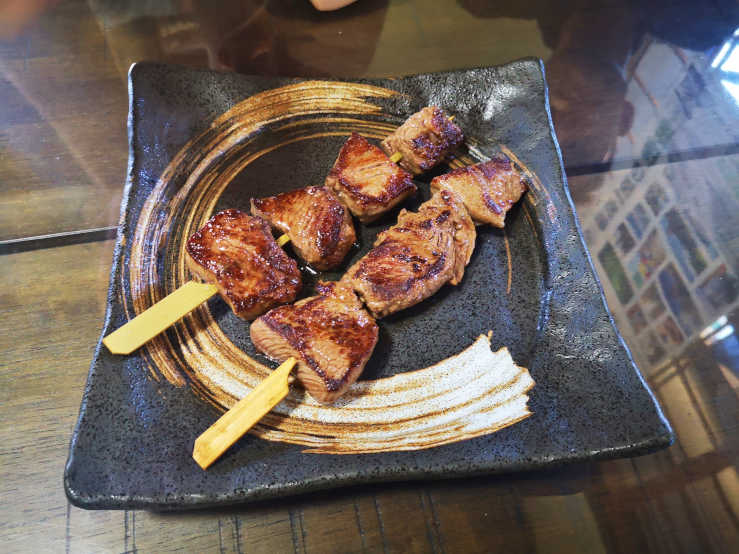
Grilled Hida beef skewers served at a local restaurant in Takayama, a regional speciality of Gifu Prefecture.
Other wooden structures today serve as confectionary shops and restaurants – where you should not miss tasting the regional Hida beef and other local delicacies. Hida beef is a premium speciality of the region. It is worth trying while in Takayama.
4. Higashiyama Temple Walk
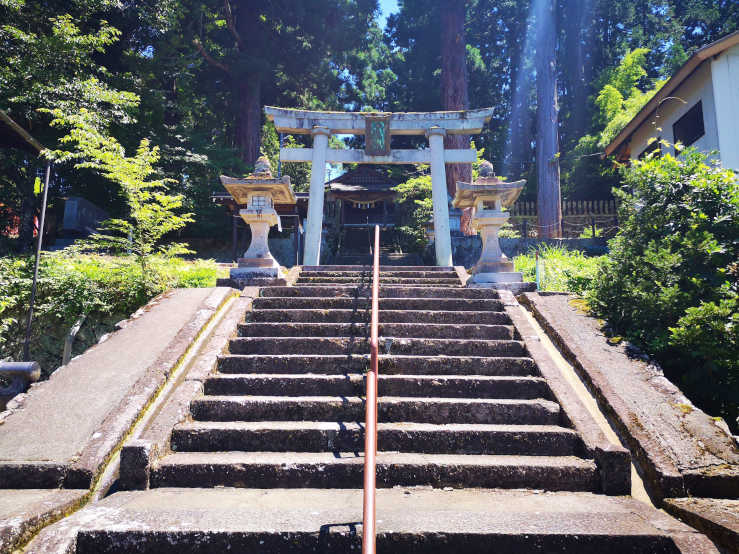
Stone stairs leading up to a hillside temple in Takayama.
The Higashiyama Walking Course gradually leads uphill, connecting a series of temples, shrines, and forest paths east of the old town.
A scenic hike is up the hillside east of the city. The Higashiyama Walking Course is great for visiting some of the 16th-century temples built into the hillside. You will pass scenic temple grounds and panoramic views of Takayama below.
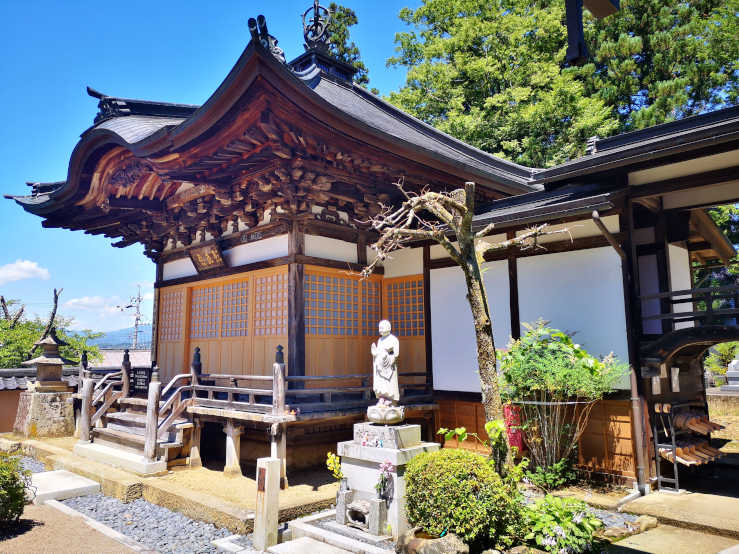
Peaceful temple courtyard along the Higashiyama walking course in Takayama.
Each temple along the route has its own atmosphere, ranging from quiet courtyards to forested hillside structures.
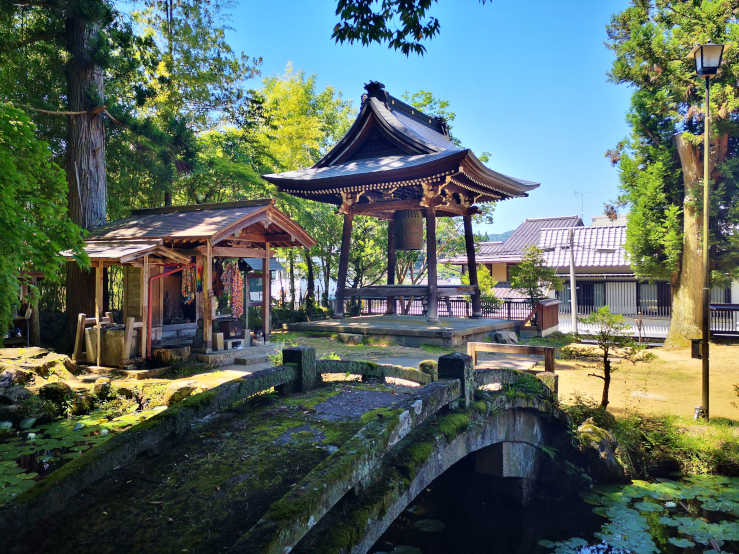
Serene temple grounds on the Higashiyama walking course in Takayama
The Higashiyama Walking Course is about 4 kilometres long, running through a sequence of temples and shrines towards Shiroyama Park. Allow roughly 1–2 hours if you want to walk at a leisurely pace and stop along the way.
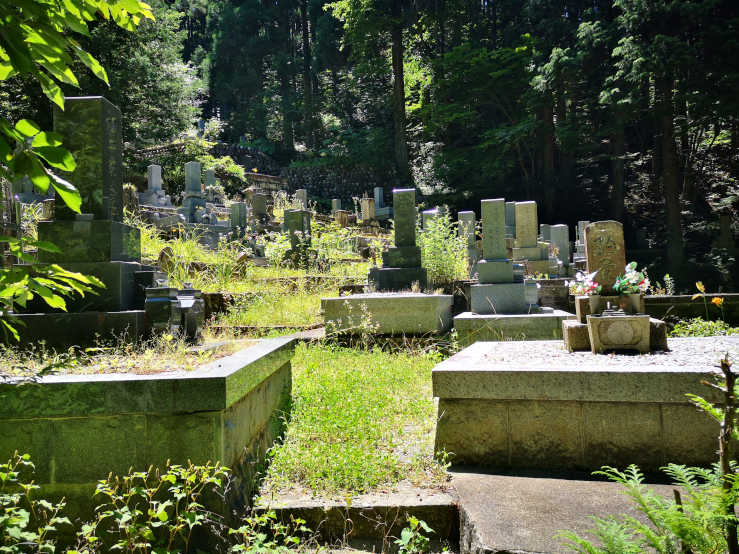
Woodworkers’ cemetery in forest near Takayama with moss-covered gravestones
This forest cemetery is one of the most atmospheric parts of the walk, surrounded by moss, trees, and silence.
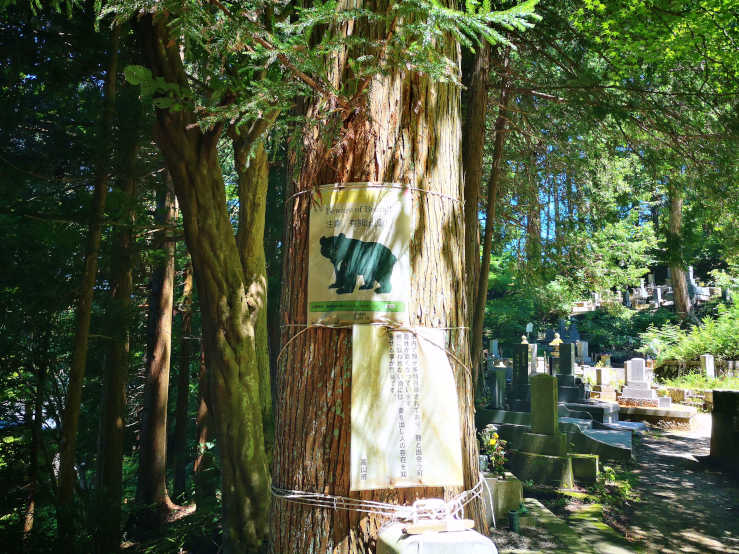
Bear warning sign along the forested Higashiyama Walking Course in Takayama.
Wildlife is present in this area, and signage such as this reflects how close the town is to natural forest environments. The route passes through wooded areas, so follow local wildlife warnings and stay on the marked path. Before returning to the town centre, the walk passes small pockets of local agriculture, offering a glimpse of everyday life in Takayama.
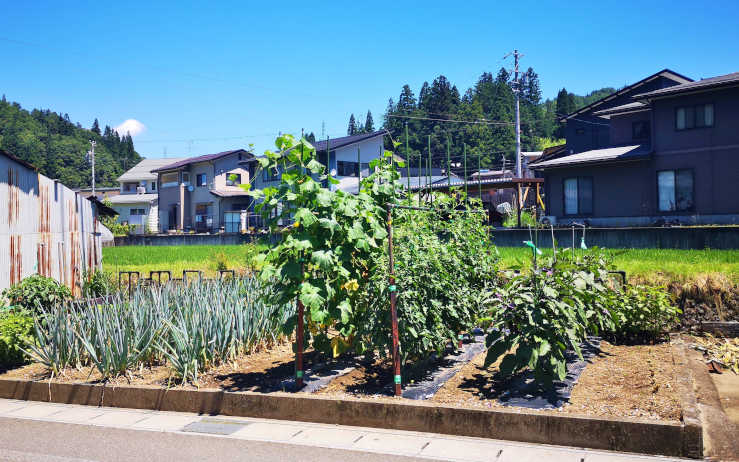
Local agriculture in Hida Takayama
The hike is also a fantastic opportunity to see the more local and non-tourist side of the mountain town, including local agriculture and gardens.
Where to Stay for Takayama
Selected hotels in Takayama and Kanazawa for different travel styles:
Most travellers either stay overnight in Takayama for atmosphere or base themselves in Kanazawa for convenience and day trips. Both options work well depending on your Japan itinerary. Below are selected options for both approaches.
5. Takayama Jinya
After the hike, you may have time to explore further, including a visit to Takayama Jinya (government house) next to the town morning market.
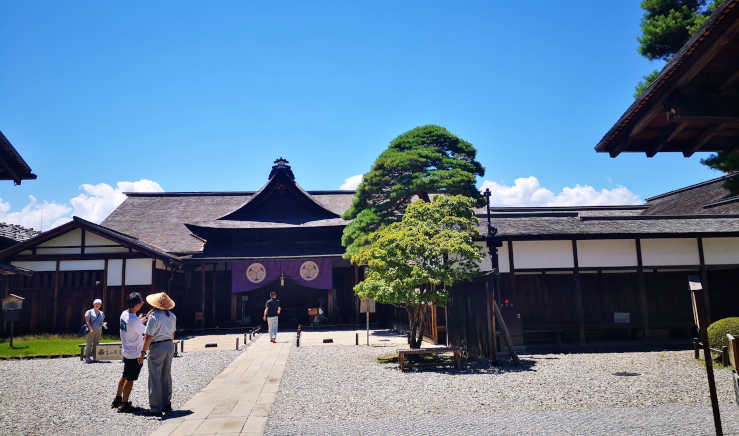
Takayama Jinya, the historic Edo-period government house that served as the administrative centre of Hida Province for over 300 years.
Takayama Jinya is the only surviving historical government building of its kind in Japan. During the Edo period, it served as an administrative office for the shogunate, which governed Takayama directly from the late 17th century. The government house includes a rice granary storing the ‘rice tax’ paid by the rice peasants. The office was used for around 300 years for the rule of the Hida Province. Moreover, it also served as an administrative office in the Meiji Period (1868 to 1912).
Takayama Jinya is officially designated as a cultural heritage site in Japan. More details can be found via the Japan National Tourism Organization listing.
6. Museums and Cultural Sites
Also, the Fuji Folk Museum is housed in one of the buildings in Sanmachi-Suji. If you have a second day in Takayama, you should consider visiting a town museum. Around Sanmachi-Suji, you will find the Hida Takayama Town Museum, the Kusakabe Heritage Traditional House (handicraft museum), and the Yoshijima Traditional House.
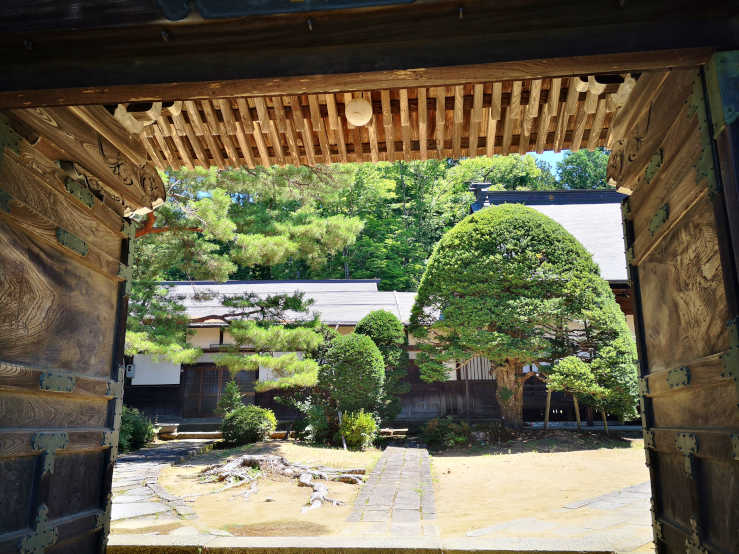
View through a traditional gate into a courtyard in Takayama, reflecting the town’s preserved Edo-period heritage | Photo: Travel In Culture
Many of Takayama’s museums are housed in preserved Edo-period buildings, adding to the immersive historical atmosphere.
If you decide to stay for another day, you can take the train back to Kanazawa (or Tokyo) in the late afternoon or evening.
For travellers continuing their journey through central Japan, Takayama works especially well when combined with Kanazawa and Shirakawa-go in a Japanese Alps itinerary.
Takayama vs Kanazawa: Which Should You Choose?
Trying to decide between Takayama and Kanazawa? Both cities offer a deep cultural experience in central Japan, but they feel very different in atmosphere, pace, and style of travel.
🏯 Takayama → Best for traditional atmosphere, wooden Edo streets, and mountain town charm
🎨 Kanazawa → Best for gardens, samurai districts, museums, and refined city culture
Simple rule: Takayama feels like stepping back in time, while Kanazawa feels like a cultured historical city with modern comfort.
Choose Takayama if you want a compact old town, morning markets, and a slower, more immersive feel of rural Japan in the Alps. It is especially rewarding for travellers who enjoy walking historic streets and experiencing traditional crafts and food culture.
Choose Kanazawa if you prefer a slightly larger city with more variety—famous gardens like Kenroku-en, samurai and geisha districts, and excellent museums and dining options. It also works better as a base for exploring the region.
Takayama vs Kanazawa vs Shirakawa-go
A simple comparison to help you choose the right destination in the Japanese Alps.
| Destination | Best for | Atmosphere | Highlights |
|---|---|---|---|
| Takayama | Traditional Edo town, culture, food | Historic mountain town | Old streets, morning markets, Hida beef, sake breweries |
| Kanazawa | Gardens, samurai districts, museums | Elegant city | Kenroku-en Garden, geisha district, samurai area |
| Shirakawa-go | UNESCO village, scenery | Rural mountain village | Gassho houses, valley views, traditional farmhouses |
Takayama and Kanazawa offer different experiences. Takayama is more compact and centred on its preserved merchant town, morning markets, local food, and mountain setting, while Kanazawa has a broader range of gardens, museums, samurai and geisha districts, and urban attractions.
🏯 Takayama → Best for atmosphere and traditional Japan feel
🎨 Kanazawa → Best all-round cultural city experience
🏔️ Shirakawa-go → Best short scenic UNESCO stop
Best experience: Combine all three for a full Japanese Alps itinerary.
More Days in Takayama
If you have more than one day in Takayama, there are other ideal destinations to visit, such as the Takayama Castle Ruins in Shiroyama Park or one of the heritage museums around Sanmachi-Suji.
What to do in Takayama with 2 days
Day 1: historic centre + markets + Higashiyama
Day 2: Hida Folk Village + Sakurayama Hachimangu + museums, or Shirakawa-go
A bit out of town, you will find the Hida Folk Village, an open-air museum providing an insight into rural life hundreds of years ago. It consists of old farmhouses built in the traditional architectural style, which was typical in mountainous regions.
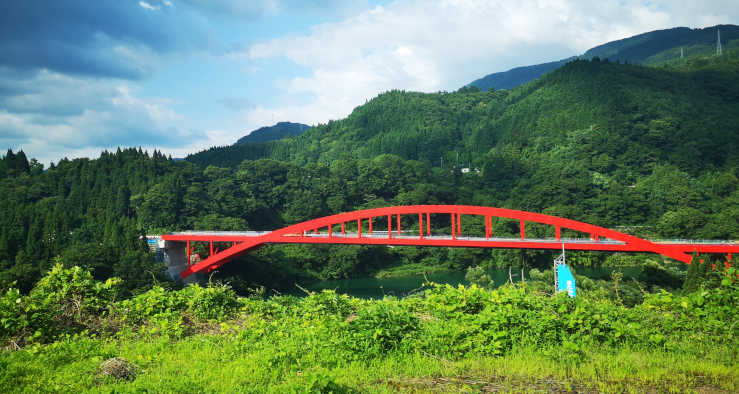
Takayama’s iconic red Nakabashi Bridge crossing the Miyagawa River, a well-known landmark near the old town.
Takayama is also famous for its spring and autumn festivals, held in mid-April and mid-October. At the Takayama Matsuri Yatai Kaikan (next to the Sakurayama Hachimangu Shrine), you can view some of the beautifully decorated historic floats (yatai) still in use for the festival.
Whether visited as a day trip or explored at a slower pace, Takayama offers a truly atmospheric historic centre. Its preserved streets, artisan shops and alpine setting make Hida Takayama a memorable stop in the Japanese Alps. Even a short visit provides a rare glimpse into traditional Edo-period life.
Taking the bus from Takayama to Shirakawa-go is another popular day trip. It is a village of spectacular thatched farmhouses – unique in Japan.
Shirakawa-go Day Trip from Takayama
A Shirakawa-go day trip from Takayama is one of the easiest ways to visit the UNESCO-listed village without a car. It is a natural addition if you have an extra day in the Japanese Alps. The mountain village is famous for its traditional gassho-zukuri farmhouses, steep thatched roofs, and scenic valley setting.
The journey from Takayama to Shirakawa-go is usually made by highway bus, with the trip taking roughly 50 minutes to 1 hour each way, depending on the service. Buses depart from Takayama Nohi Bus Center, close to Takayama Station, making the excursion relatively straightforward without a car.
🚌 Transport → Highway bus from Takayama to Shirakawa-go
⏱️ Journey time → Approximately 50 minutes to 1 hour each way
📅 Time to allow → Around 4–6 hours in Shirakawa-go
🎟️ Tickets → Some services require reservations, booking ahead is advisable during busy periods
🏡 Highlights → Gassho-zukuri farmhouses, village views, traditional architecture, and mountain scenery
Allow at least half a day for Shirakawa-go, although spending around 4–6 hours there gives you more time to walk through the village, visit the traditional farmhouses, and reach the viewpoints above the settlement. If you want to explore at a slower pace, you can easily spend most of a day.
Because some services are reservation-based and buses can be busy during peak periods, check the current timetable and book ahead where required. This is especially important if you are trying to fit Shirakawa-go into a tightly planned Japanese Alps itinerary.
Can you visit Shirakawa-go with one day in Takayama?
It is possible, but it will be challenging to experience Takayama properly. Takayama’s morning markets, Sanmachi-suji old town, Takayama Jinya, and Higashiyama Walking Course already make a full one-day itinerary. Adding the bus journey to Shirakawa-go would leave very little time for either destination.
If you have two days in the area, a better approach is to spend your first day exploring Takayama and use the second for a Shirakawa-go day trip. This gives you enough time to experience Takayama’s historic centre without rushing, while still allowing several hours in Shirakawa-go.
Shirakawa-go also works particularly well as part of a wider route through central Japan, linking Kanazawa, Takayama, and the Japanese Alps.
Frequently Asked Questions about Takayama
Is Takayama worth visiting?
Yes, Takayama is one of the best places in Japan to experience traditional architecture, local food culture, and a slower pace of travel. Its preserved old town, morning markets, and temple walks make it a rewarding cultural destination.
Can you visit Takayama as a day trip?
Yes, Takayama can be visited as a day trip from Kanazawa, although an overnight stay gives you more time to explore. Travelling from Tokyo is considerably more time-consuming, so an overnight stay is generally more practical.
How do you get to Takayama?
Takayama is accessible by train from major cities. From Tokyo, take the Shinkansen to Nagoya and continue with the Limited Express Hida. From Kanazawa, travel via Toyama and continue into the Japanese Alps.
How much time do you need in Takayama?
One full day is enough to see the main highlights, including the morning markets, Sanmachi-suji old town, and the Higashiyama Temple Walk. Staying overnight allows for a more relaxed experience.
What is Takayama known for?
Takayama is known for its well-preserved Edo-period streets, traditional wooden houses, sake breweries, and local specialities such as Hida beef.
Read next: Kanazawa – The Gold Leaf City and Where to Stay in Osaka