




Where to Stay in Tokyo: Best Areas & Hotels for Every Traveller
By ANL | UPDATED:
This guide to accommodation in Tokyo is based on our own experience, supplemented by additional research and current information. Hotels are selected for their character and location.
Tokyo Areas at a Glance
- 🏙️ Shinjuku — central, nightlife, major transport hub
- 🛍️ Shibuya — trendy, youthful, vibrant streets
- 🎎 Asakusa — traditional, historic temples, quieter atmosphere
- 🍣 Ginza — upscale dining, shopping, refined atmosphere
- 🌸 Ueno — museums, parks, relaxed cultural vibe
→ See a full breakdown of Tokyo’s best areas and where to stay
If you are planning where to stay in Tokyo as part of a wider trip, the Japan travel guide provides city overviews, cultural context, and itinerary ideas to help you choose the right base.
Where to stay in Tokyo depends largely on your travelling style, as the city has no single centre and is spread across multiple neighbourhoods. Each district reflects different aspects of local life and culture, meaning your choice of location can significantly shape your experience of the city. For a broader understanding of how culture is structured across Tokyo, see the Tokyo culture guide.
The best areas to stay in Tokyo for most travellers are Shinjuku (great for transport and nightlife), Shibuya (shopping and youthful energy), Ginza (upscale and central), and Asakusa (budget-friendly and traditional). For first-time visitors, Shinjuku is often the best area to stay due to its transport links, dining options, and central location.
- Shinjuku – best area to stay in Tokyo for first-time visitors and transport links
- Shibuya – best for nightlife and younger travellers
- Ginza – best for luxury hotels and shopping
- Asakusa – best for budget hotels and traditional atmosphere
If it is your first time in Tokyo, staying near a major train station like Shinjuku or Shibuya will make exploring the city significantly easier. Whether you are seeking buzzing nightlife, cultural experiences, or family-friendly fun, this guide covers the best districts and hotels to suit every style. Choosing the right area to stay in Tokyo can completely transform your experience, making it easier to explore the city’s best sights, shopping, and hidden gems. From the bustling streets of Shibuya to the historic charm of Asakusa, the perfect base will help you make the most of your stay. For a deeper understanding of how to immerse yourself in Tokyo’s rich cultural experiences, check out our cultural travel method.
In this guide, we focus on the best accommodation options in each major district, carefully selected for different budgets and preferences. You will find budget, mid-range, and luxury hotels, all offering excellent locations and access to public transport.
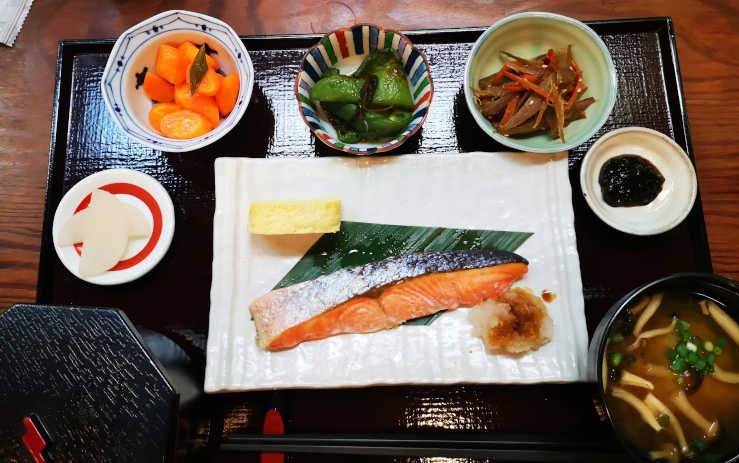
Why not immerse yourself in traditional Japanese culture with a ryokan stay in Tokyo, including authentic meals and an onsen experience? | Photo: Travel In Culture
We also provide insider tips on why each district is worth staying in, what you can explore nearby, and practical advice to help you pick the perfect hotel.
Whether you are after a comfortable, affordable stay, a well-appointed mid-range hotel, or a luxurious experience in the heart of the city, this guide has you covered. See also our guide to traditional ryokan stays in Tokyo.
Tokyo Accommodation Guide – Where to Stay in Tokyo
In general, the western side of Tokyo, Shibuya, Harajuku, and Shinjuku, are dynamic and vibrant, modern districts full of stores, restaurants & nightlife, whereas the eastern districts, including Ueno and Asakusa, represent some of the more traditional parts of the Japanese capital. For an overview of the districts with their attractions, see also our Districts & Landmarks guide. Hotels in Ueno and Asakusa also tend to be more budget-friendly than in many other parts of the city, and if you are in Tokyo on a budget, the more reasonably priced hotels in these areas are an obvious reason to stay here.
Quick tip: Not sure where to stay in Tokyo? Here is a quick comparison of the best areas based on your travel style, budget, and preferred atmosphere.
| District | Best for / Atmosphere | Avg. Price | Key Highlights |
|---|---|---|---|
| Shibuya | First-time visitors, nightlife, shopping Trendy, energetic |
$$$ | Shibuya Crossing, Hachiko Statue, modern city vibe |
| Shinjuku | Transport hub, nightlife, urban views Busy, urban |
$$–$$$ | Shinjuku Station, Golden Gai, Metropolitan Government Building |
| Ueno | Budget stays, culture, families Relaxed, cultural |
$–$$ | Ueno Park, museums, easy transport links |
| Asakusa | Traditional Tokyo, budget-friendly stays Historic, calm |
$–$$ | Senso-ji Temple, Nakamise Street, river views |
| Roppongi | Nightlife, art, luxury stays Upscale, international |
$$$–$$$$ | Roppongi Hills, Mori Art Museum, bars & clubs |
| Ginza | Luxury hotels, fine dining, shopping Elegant, refined |
$$$–$$$$ | High-end boutiques, Michelin restaurants |
| Odaiba / Tokyo Bay | Families, modern entertainment, views Modern, spacious |
$$–$$$ | Tokyo Disneyland, Odaiba Seaside Park, Unicorn Gundam Statue |
Discover the best areas to stay in Tokyo for first-time visitors, families, or budget travellers. Explore Shibuya, Shinjuku, Ginza, Ueno, Asakusa, Roppongi, and Odaiba with selected hotels listed below.
Looking for a more cultural experience? Visit our Ryokan Stays with a Japanese Onsen in Tokyo article to explore traditional lodging options.
Shibuya
Why Stay in Shibuya
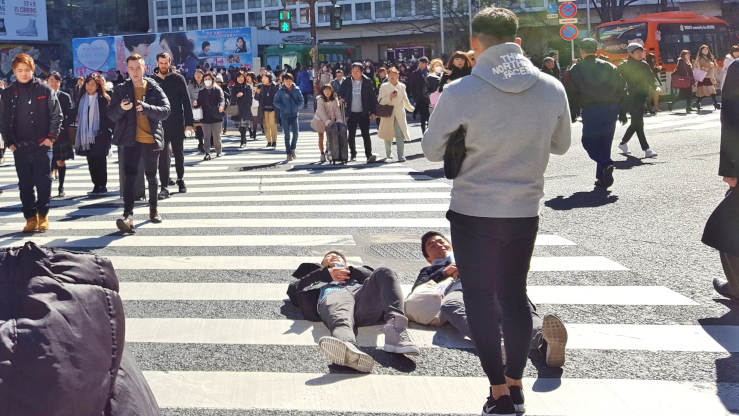
Stay near the iconic Shibuya Crossing for a vibrant Tokyo experience.
If it is your first time visiting Tokyo, staying in Shibuya offers a vibrant base with easy access to top attractions, nightlife, and shopping. This lively district places you in the heart of one of the city’s most dynamic areas, known for its youthful atmosphere, buzzing nightlife, endless shopping, and a remarkable variety of restaurants. Staying in Shibuya gives you immediate access to the city’s pulse, while its major train station makes reaching other districts easy and convenient.
Whether you want to explore Tokyo’s iconic landmarks, shop in trendy boutiques, or experience its vibrant nightlife, this energetic district offers the perfect base. First-time visitors often find that staying here offers the best combination of excitement and convenience, with everything from quiet cafés tucked in side streets to sprawling shopping malls just minutes away.
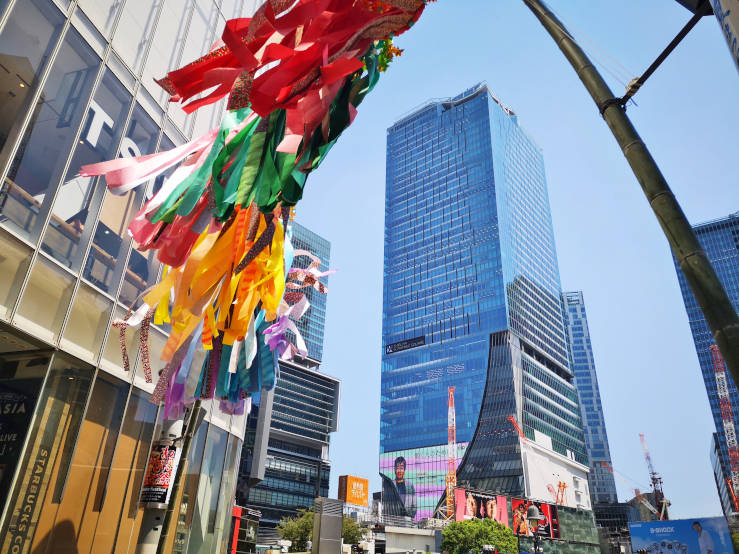
Take in the view of Shibuya Sky from the bustling streets of Shibuya | Photo: Travel In Culture
Explore Shibuya
Shibuya is a vast shopping and entertainment district in western Tokyo, globally famous for the world’s busiest pedestrian crossing, Shibuya Crossing, and the loyal Hachiko dog statue outside Shibuya Station. The district is not only visually striking, but also highly practical, as Shibuya Station is a major transport hub connecting the Yamanote Line, multiple subway lines, and numerous regional rail services. From here, most central Tokyo destinations are reachable within 30 minutes, making it a strategic location for exploring the city.
The streets of Shibuya are a haven for shopping enthusiasts, particularly those who enjoy trendy fashion, quirky boutiques, and second-hand treasures. The lively atmosphere, often filled with young people in colourful outfits, makes people-watching here a unique experience.
Shibuya is also rich in entertainment options. As night falls, the district transforms with a vibrant nightlife scene, from small live music venues to rooftop bars and karaoke joints.
Just north of Shibuya lies the equally famous Harajuku district, renowned for Japanese teenage and cosplay culture. Harajuku is conveniently served by the Yamanote Line, making it a short journey from Shibuya. The iconic Takeshita Street is a must-see for visitors, offering vibrant street fashion, unusual costumes, and a youthful, energetic vibe.
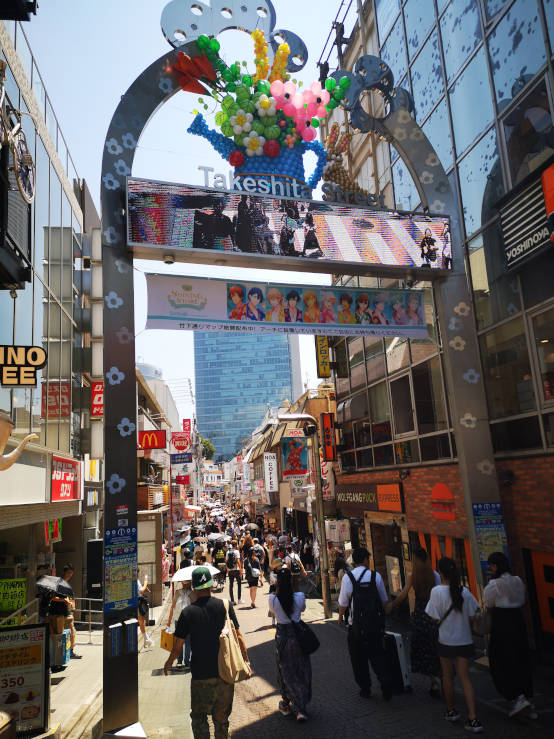
Step into the heart of Harajuku through the iconic entrance of Takeshita Street.
Harajuku is also home to Yoyogi Park, one of Tokyo’s largest green spaces. On weekends, the park becomes a stage for performers of all kinds, from cosplayers and rock ‘n’ roll dancers to street musicians and local artists. Visitors can enjoy a mix of traditional leisure activities, like strolling with families or walking dogs, alongside the vibrant subcultures of Tokyo.
In contrast to the modern energy of the district, nearby Meiji Shrine offers a serene and traditional experience. This Shinto shrine, dedicated to Emperor Meiji, is surrounded by a lush forest, providing a peaceful escape from the busy streets. A walk through the shrine grounds reveals a quieter side of Tokyo, balancing the dynamic energy of Shibuya and Harajuku with history and culture.
Beyond its vibrant streets and shopping malls, Shibuya is packed with cafés, restaurants, and entertainment venues, offering something for every type of traveller. So, where should you stay to be at the heart of all this action? Explore the selected hotels below.
Where to Stay in Shibuya
Shinjuku
Why Stay in Shinjuku
If you want a base that gives you seamless access to all of Tokyo, Shinjuku is one of the most convenient areas to stay. Centred around Shinjuku Station, the busiest railway station in the world, this district offers unmatched transport connections, making it easy to explore both central Tokyo and destinations further afield.
For first-time visitors, Shinjuku is often one of the most practical choices. You can reach most of the city’s major attractions quickly, while still staying in a district packed with shopping, dining, and entertainment. Whether you are planning full days of sightseeing or prefer to explore at a slower pace, Shinjuku provides both flexibility and convenience.
For a more traditional experience, consider staying in a ryokan with a public bath. You can also plan your stay with our Tokyo 2- or 3-day itinerary.
Explore Shinjuku
Shinjuku is one of Tokyo’s most dynamic commercial districts, where towering skyscrapers stand alongside neon-lit streets and bustling shopping avenues. The area offers everything from major department stores and electronics shops to hidden bars and traditional eateries, making it a destination in its own right.
At the centre of it all is Shinjuku Station, a vast transport hub serving JR lines, private railways, and subway networks. With dozens of platforms and hundreds of exits, it can feel overwhelming at first, but its connectivity is unmatched. From here, you can reach most parts of Tokyo within 20 to 30 minutes.
Shinjuku is broadly divided into two distinct areas. In west Shinjuku, the atmosphere is more business-like, defined by high-rise buildings and wide streets. Here you will find the Tokyo Metropolitan Government Building, whose observation decks offer panoramic views across the city, as well as Shinjuku Central Park, a welcome green space among the skyscrapers.
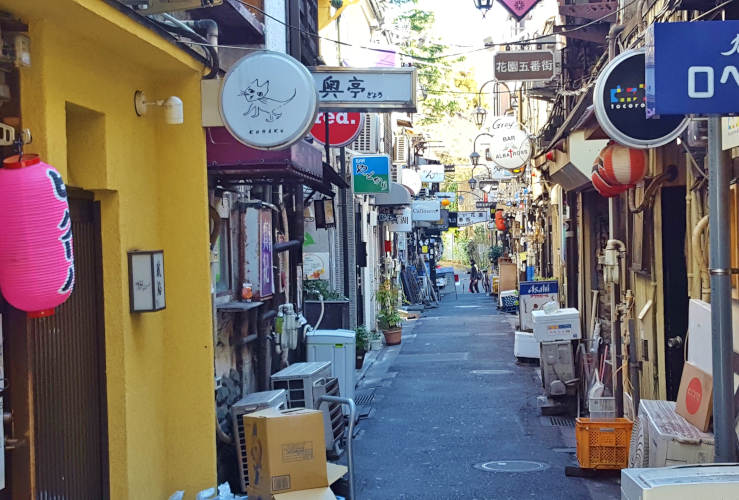
Explore the lively, narrow alleys of Golden Gai, known for its cosy bars and distinctive nightlife.
In contrast, east Shinjuku is vibrant and entertainment-focused. This is where you will discover the lively Kabukicho area, countless restaurants, and the atmospheric Golden Gai, a maze of narrow alleys lined with tiny bars, each with its own character. Nearby, the expansive Shinjuku Gyoen National Garden provides a peaceful retreat, particularly during cherry blossom season.
Where to Stay in Shinjuku
Ueno
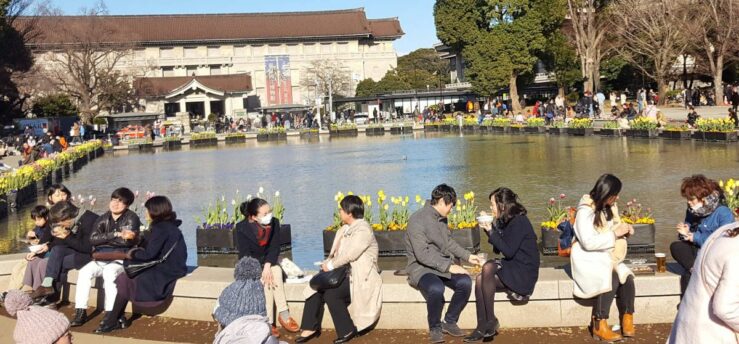
Enjoy a peaceful moment by Ueno Lake in spring, where locals relax and chat by the scenic waters.
Why Stay in Ueno
Looking for a blend of culture, convenience, and tranquillity in Tokyo? Ueno offers a unique mix of traditional charm and modern convenience, making it an ideal base for both first-time visitors and budget-conscious travellers. Centred around Ueno Station, this district offers direct access to the Yamanote Line, as well as regional and long-distance trains, making it an excellent base for exploring both Tokyo and other parts of Japan.
For travellers on a budget, Ueno is one of the best areas to consider. Hotel prices here are often more affordable than in western districts such as Shibuya and Shinjuku, while still offering convenient access to the city’s main attractions. This also makes Ueno a strong choice for families or travellers who prefer larger rooms and better value for money.
Another key advantage is the proximity to Ueno Park, a spacious green area home to several of Tokyo’s most important museums and cultural institutions. The park provides a welcome contrast to the intensity of the city, particularly during cherry blossom season when it becomes one of Tokyo’s most popular hanami spots.
Just south of Ueno lies Akihabara, the centre of anime, manga, and gaming culture. This makes Ueno an ideal base if you are travelling with teenagers or have an interest in Japanese pop culture, while still staying in a calmer and more traditional part of the city.

Explore the vibrant stalls at Ueno Park, offering local snacks, souvenirs, and cultural treasures.
Explore Ueno
Ueno offers a peaceful yet vibrant alternative to the fast-paced heart of Tokyo, where cultural landmarks meet quiet, traditional neighbourhoods. While it functions as a major transport hub, the district is equally known for its museums, parks, and historic neighbourhoods.
At the heart of the area is Ueno Park, which houses several of Japan’s most significant museums. Among these are the Tokyo National Museum, the Tokyo Metropolitan Art Museum, and the National Museum of Nature and Science. Together, they make Ueno one of the best districts in Tokyo for travellers interested in history, art, and culture. Explore this district with a deeper cultural understanding by applying our cultural travel method.
Beyond the park, Ueno is surrounded by neighbourhoods that preserve a sense of old Tokyo. Areas such as Yanaka, Nezu, and Sendagi are known for their narrow streets, traditional houses, and quiet temples. Just a short walk from busy main roads, you can find yourself in a peaceful residential street that feels far removed from the modern metropolis.
The character of Ueno also varies depending on where you stay. East of the Yamanote Line, the area feels more local and residential, with a range of budget-friendly accommodation options. West of the line places you closer to Ueno Park and its cultural institutions, offering a more refined and scenic setting.
Just a short walk or train ride away, Akihabara presents a completely different side of Tokyo. Known as the city’s electric town, it is filled with electronics shops, anime stores, themed cafés, and neon-lit streets. Even if you are not deeply interested in anime culture, the district offers a fascinating and distinctly modern contrast to the more traditional surroundings of Ueno.
Where to Stay in Ueno for First-Time Visitors
Asakusa
Why Stay in Asakusa
Asakusa is one of the best areas to stay in Tokyo if you want to experience a more traditional side of the city. Known for its historic atmosphere and deep cultural roots, this district offers a glimpse into old Tokyo, where temples, narrow streets, and local shops create a distinctly different pace compared to the modern western districts.
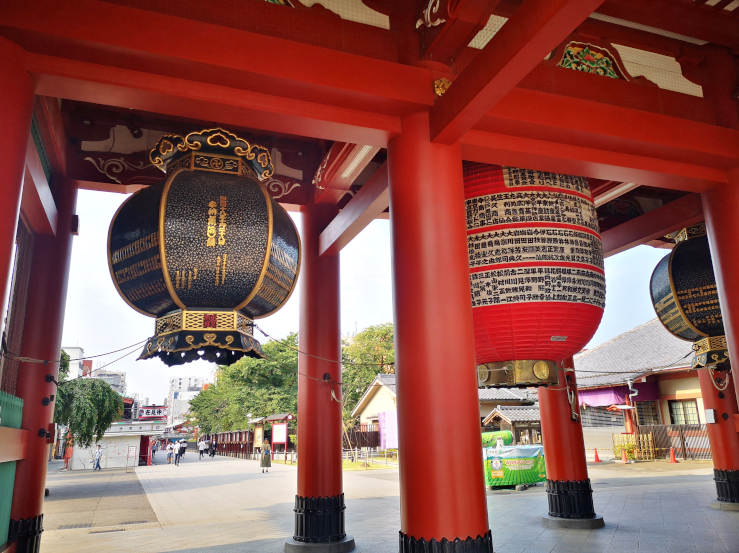
Visit the historic Senso-ji Temple in Asakusa, one of Tokyo’s oldest and most iconic landmarks.
Staying in Asakusa allows you to be close to some of the city’s most important cultural landmarks, including the famous Senso-ji Temple, also known as Asakusa Kannon Temple. The area is also well known for its traditional crafts and small shops, where you can discover everything from handmade souvenirs to classic Japanese snacks.
In addition to its cultural appeal, Asakusa is one of the more affordable areas in Tokyo. Hotel prices here tend to be lower than in central and western districts, making it an excellent choice for budget travellers or those looking for good value without sacrificing location. Its slightly quieter atmosphere also makes it appealing for families and travellers who prefer a more relaxed base.
Explore Asakusa
Asakusa is famous for the Senso-ji Temple, Nakamise Street, and traditional shops. If you want to skip the lines or explore the area with a local guide, consider booking a tour.
Visiting the temple early in the morning can help you avoid crowds, and you can combine your tour with a river cruise or cultural workshop nearby.
The centrepiece of Asakusa is the impressive Senso-ji Temple, the oldest and one of the most visited temples in Tokyo. Each year, millions of visitors pass through the iconic Kaminarimon Gate, with its large red lantern, before making their way towards the temple grounds. The approach to the temple is lined with traditional stalls and shops, creating a lively yet distinctly historic atmosphere.
Running from the gate to the temple, Nakamise Street is a 200-metre shopping street where you can sample local snacks and browse for souvenirs. From sweet rice crackers to handcrafted items, the street offers a taste of traditional Japanese culture that has been preserved for generations. If you want to travel with a cultural perspective, learn how to explore Asakusa like a local with our cultural travel method.
Tip: Visit Senso-ji Temple early morning to avoid crowds.
Just a short walk from the temple area, you will find Kappabashi Street, Tokyo’s famous kitchen street, where you can browse high-quality restaurant supplies and unique items. This unique shopping street is dedicated to restaurant supplies, where you will find everything from high-quality Japanese knives and tableware to the remarkably realistic plastic food displays seen in restaurant windows across Japan.

Explore the famous Kappabashi Street in Tokyo, where you can find realistic plastic food samples and unique kitchenware.
Beyond the temple area, Asakusa invites you to explore at a slower pace. Walking along the Sumida River, you can enjoy views across to the striking Tokyo Skytree, one of the tallest structures in the world. From its observation decks, you can take in panoramic views of the city, offering a completely different perspective on Tokyo’s vast urban landscape.
While Asakusa is firmly rooted in tradition, it is still well connected to the rest of Tokyo via the subway network. This makes it easy to combine a stay here with visits to more modern districts, creating a balanced experience of both historic and contemporary Tokyo.
Where to Stay in Asakusa
Roppongi
Why Stay in Roppongi
For those seeking the height of cosmopolitan luxury in Tokyo, Roppongi is the ultimate destination, blending dynamic nightlife with sophisticated dining, world-class shopping, and a global atmosphere. Known for its vibrant nightlife, luxury hotels, and cosmopolitan feel, the district attracts both visitors and expatriates from around the world.
If you want to stay in a lively part of Tokyo with easy access to fine dining, stylish bars, and cultural venues, Roppongi is an excellent choice. It is particularly appealing for couples, solo travellers, and returning visitors who want to experience a more sophisticated side of the city.
Although Roppongi is not directly on the Yamanote Line, Roppongi Station offers excellent access via the Hibiya Line, ensuring easy connections to nearby areas such as Shibuya, Ginza, and Tokyo Station.
Explore Roppongi
Roppongi is widely regarded as Tokyo’s nightlife capital, offering an impressive selection of bars, clubs, and late-night restaurants. The area comes alive after dark, but it also offers a refined daytime experience centered around art, architecture, and modern urban design. By day, Roppongi transforms into a more relaxed environment, with its art museums, boutiques, and galleries, making it the perfect destination for those who appreciate culture and design. For art lovers, Roppongi stands out with the Mori Art Museum, showcasing contemporary art from around the world, and the National Art Center, home to a dynamic range of rotating exhibitions. These venues make Roppongi a must-visit for anyone interested in Japan’s modern artistic movements.
At the heart of the district lies Roppongi Hills, a large-scale urban development designed as a self-contained city within Tokyo. Its centrepiece, the 54-storey Mori Tower, houses offices, galleries, restaurants, and the popular Tokyo City View observation deck, where you can enjoy sweeping views across the metropolis.
Nearby, Tokyo Midtown offers a similarly refined experience with elegant boutiques, cafés, green spaces, and design-focused architecture. The area is particularly pleasant during the evening, when the buildings are illuminated and the atmosphere becomes more relaxed. View Roppongi highlights in the table below.
| Key Highlights | What to Expect |
|---|---|
| Nightlife | Upscale bars, clubs, and late-night entertainment |
| Cultural Sites | Mori Art Museum, National Art Center |
| Shopping | Luxury boutiques, Roppongi Hills, Tokyo Midtown |
| Dining | Michelin-starred restaurants, international cuisine |
| Views | Panoramic city views from Roppongi Hills Observation Deck |
Despite its modern character, Roppongi also provides access to quieter corners, including nearby temples and residential streets, offering a contrast to the district’s otherwise energetic pace.
Where to Stay in Roppongi
Ginza
Why Stay in Ginza
Ginza is one of the most elegant and refined areas to stay in Tokyo, known for its luxury shopping, fine dining, and central location. If you are looking for a more peaceful and sophisticated base in the city, Ginza offers a distinctly polished atmosphere compared to the busier districts such as Shibuya and Shinjuku.
This district is particularly well suited to travellers who appreciate high-end experiences, from designer boutiques and flagship stores to some of Tokyo’s most celebrated restaurants. While Ginza is generally associated with luxury, you will still find a selection of mid-range hotels, making it more accessible than its reputation might suggest.
Another advantage of staying in Ginza is its excellent location. You are within walking distance of several major transport hubs, including Tokyo Station, making it an ideal base for exploring both the city and the rest of Japan.
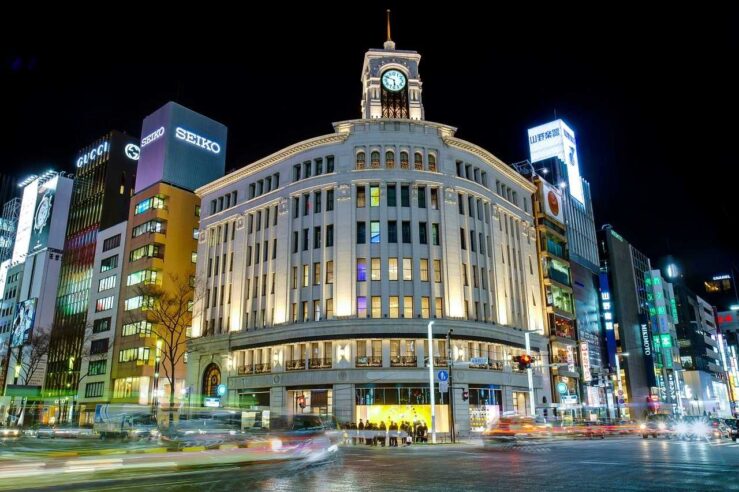
Admire the iconic Seiko Clock in Ginza, a must-see landmark near ideal places to stay in Tokyo.
Explore Ginza
Ginza is widely regarded as Tokyo’s premier shopping district, where contemporary architecture meets long-established department stores. Along its broad avenues, you will find signature stores from leading international brands alongside iconic Japanese names.
Highlights include the Sony showroom, where you can explore the latest in Japanese technology, and the Yamaha store, which showcases a wide range of musical instruments and design concepts. Even if you are not shopping, the district is worth visiting for its architecture and atmosphere alone.
One of the most recognisable landmarks is Ginza Crossing (Ginza 4-chome), a major intersection surrounded by elegant buildings, including the historic Wako Department Store with its distinctive Seiko Clock Tower.
Ginza is also a cultural destination. The renowned Kabuki-za Theatre offers a chance to experience traditional Japanese performing arts in an accessible setting, even for first-time visitors.
Not surprisingly, Ginza boasts more Michelin-starred restaurants than any other part of Tokyo, making it one of the best areas to stay if you want to explore the city’s world-class culinary scene.
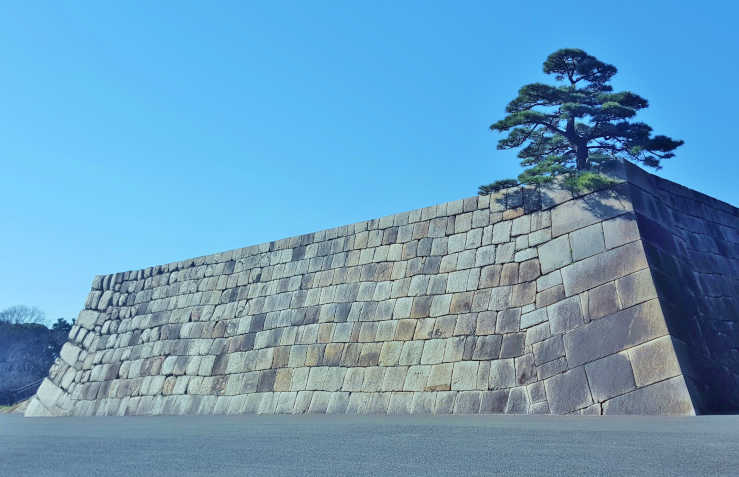
Explore the Imperial Palace East Gardens and the historic Edo Castle Ruins, a serene spot near top places to stay in Tokyo.
From Ginza, you are within easy reach of several important cultural and historical sites. These include the Imperial Palace and the Edo Castle ruins, both located in the nearby Chiyoda district, as well as the former Tsukiji fish market, where you can still explore lively food stalls and sample fresh seafood.
In addition, Tokyo Station is just a short walk away. Besides being a major transport hub for Shinkansen trains, it is also a destination in its own right, particularly for food lovers. The famous Ramen Street inside the station offers a curated selection of some of the best ramen in the city.
Where to Stay in Ginza
Odaiba / Tokyo Bay
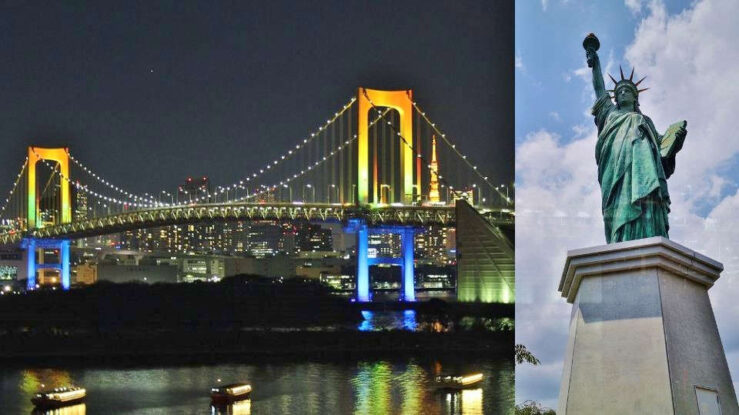
Admire the Odaiba Rainbow Bridge and the replica Statue of Liberty, iconic sights near selected hotels in Tokyo Bay.
Why Stay in Odaiba / Tokyo Bay
Odaiba and the Tokyo Bay area offer a completely different experience compared to the central districts of Tokyo. This waterfront region is renowned for its modern architecture, open spaces, and a resort-like, relaxed atmosphere.
If you are travelling with family or prefer a quieter base with wide promenades and scenic views, this area is an excellent choice. It is particularly appealing for those planning to visit major entertainment attractions, as several are located along the bay.
Staying in Odaiba also provides access to larger hotel properties with more spacious rooms, which can be difficult to find in central Tokyo. However, note that travel times to districts such as Shinjuku or Shibuya are longer, and you will need to rely on trains or the Yurikamome line to reach other parts of the city.
Explore Odaiba / Tokyo Bay
Odaiba is best known for its futuristic cityscape and waterfront setting, connected to central Tokyo by the striking Rainbow Bridge. Along the shoreline, you will find promenades, shopping complexes, and entertainment venues with views across Tokyo Bay.
One of the area’s most recognisable sights is the replica Statue of Liberty, set against the skyline and the bridge. Nearby, the large Unicorn Gundam Statue has become a popular attraction, especially in the evening when it is illuminated.

Experience the Unicorn Gundam Statue in Odaiba, a futuristic sight near top hotels in Tokyo Bay.
The area offers a wide range of leisure activities. You can walk along Odaiba Seaside Park, relax on the small urban beach, or visit attractions such as the National Museum of Emerging Science and Innovation and various interactive entertainment venues.
Odaiba is also home to several large shopping and entertainment complexes, as well as the distinctive Fuji TV Building, which is worth visiting for its unique architecture and observation areas.
For families and theme park enthusiasts, the Tokyo Bay area is particularly attractive. Tokyo Disneyland and Tokyo DisneySea are located nearby and can easily fill one or more full days of your itinerary. In addition, Tokyo Sea Life Park offers impressive aquariums and is a quieter alternative for those travelling with children.
Overall, Odaiba and Tokyo Bay provide a more spacious and modern setting, making it one of the best areas to stay in Tokyo if you prioritise comfort, views, and entertainment over proximity to the city’s traditional districts.
Pro: Book Odaiba hotels for panoramic Tokyo Bay views.
Where to Stay in Odaiba / Tokyo Bay
FAQs – Best Neighbourhoods in Tokyo
Which are the best districts to stay in Tokyo for first-time visitors?
Shibuya, Shinjuku, and Ginza are the most popular choices. Shibuya is vibrant with nightlife and shopping, Shinjuku offers excellent transport links and large department stores, and Ginza is perfect for luxury shopping and fine dining. See also our Districts & Landmarks guide for a broader overview of Tokyo’s districts and landmarks.
Where can I find budget hotels in Tokyo?
Ueno and Asakusa are ideal for budget-friendly stays. Both areas offer affordable accommodation without compromising on access to major attractions. Ueno is great for families, while Asakusa provides a traditional Japanese experience.
Are there family-friendly districts in Tokyo?
Odaiba / Tokyo Bay is excellent for families, with attractions like Tokyo Disneyland, Legoland Discovery Center, Odaiba Seaside Park, and the Unicorn Gundam Statue. Shibuya and Shinjuku also have hotels suitable for families close to shopping and entertainment.
Which area is best for nightlife?
Roppongi is Tokyo’s nightlife hub with bars, clubs, fine dining, and upscale shopping. Shibuya also has a vibrant young-nightlife scene, while Shinjuku offers both nightlife and cultural experiences.
Which are the best districts to stay in Tokyo for couples?
Ginza, Roppongi, and Asakusa are great choices for couples. Ginza offers a refined atmosphere with fine dining and luxury hotels, Roppongi is ideal for nightlife and upscale experiences, while Asakusa provides a more traditional and romantic setting.
Do I need a JR Rail Pass if I only stay in Tokyo?
For travel strictly within Tokyo, a JR Pass is usually not necessary. However, if you plan day trips to nearby cities like Yokohama, Nikko, or Kamakura, the JR Rail Pass can save money. You can book your JR Pass here:

Can I book tours or experiences in advance?
Yes! Booking in advance ensures availability for popular experiences like Tokyo Skytree observation decks, cultural workshops, or food tours. You can find curated tours on GetYourGuide:
Travel Tips and Planning Your Stay in Tokyo
Tokyo is a vast and well-connected city, and understanding how to get around and plan your stay can make a significant difference to your experience.
Best time to visit Tokyo: Spring (March to May) and autumn (October to November) are generally the most pleasant seasons, with mild temperatures and beautiful scenery. The cherry blossom season is especially popular, while autumn offers colourful foliage across parks and gardens.
How many days to stay: For a first visit, 3 to 5 days in Tokyo (see also our Tokyo 2- or 3-day itinerary) allows you to explore several districts at a relaxed pace while still leaving time for day trips. For practical information on visiting Tokyo, see our complete Tokyo travel guide.
Choosing the right area: Each district offers a different experience. Shibuya and Shinjuku are ideal for first-time visitors and nightlife, Ueno and Asakusa suit budget and cultural stays, while Ginza and Roppongi cater to luxury travellers. Odaiba is a good option for families and those seeking a more modern, resort-like atmosphere.
Ready to book your perfect Tokyo stay? Check out our selected hotels in each district and start planning your trip today!
More Information
Planning to travel beyond Tokyo? Discover how to make the most of your journey:
Tokyo to Kyoto by Train – 3-day Itinerary
Looking for a traditional stay?
Hotel with a Japanese Onsen in Tokyo
Visiting in spring?
Tokyo Cherry Blossom Season Guide
Final Thoughts: Best Areas to Stay in Tokyo
Choosing where to stay in Tokyo ultimately depends on your travelling style, budget, and priorities. Whether you prefer the energy of Shibuya, the convenience of Shinjuku, the cultural atmosphere of Ueno and Asakusa, or the refined elegance of Ginza and Roppongi, each area offers a unique perspective on the city.
For most first-time visitors, staying near a major transport hub along the Yamanote Line provides the best balance between convenience and experience. No matter where you choose, Tokyo’s excellent transport network ensures that the rest of the city is always within easy reach, see also our practical Tokyo travel guide.
Images courtesy of Travel In Culture. Selected images from Pixabay.