


Tokyo Itinerary: Must-See Attractions in 2 or 3 Days
By ANL | UPDATED:
🏯 Highlights: Major landmarks & hidden gems
✅ Duration: 2–3 days
🌟 Best for: First-time visitors
🌸 Best time to visit: March–May / Oct–Nov
🚆 Transport: JR Yamanote Line & metro
🗺️ Areas covered: Asakusa, Shibuya, Shinjuku, Ueno, Ginza
🚶 Pace: Moderate (8–12 km walking per day)
For help planning multi-city trips in Japan, the Japan travel guide connects city guides and itinerary ideas into a broader travel overview.
Experience Tokyo in 2 or 3 days with this carefully designed itinerary covering the best things to do in Tokyo, from historic temples and peaceful shrines to neon-lit districts and vibrant food markets.
This Tokyo itinerary for 2 or 3 days is ideal for first-time visitors who want a structured yet immersive introduction to the city. Over 2 or 3 days in Tokyo, you will explore iconic landmarks such as Senso-ji Temple, Meiji Jingu, and Shibuya Crossing, while also discovering quieter neighbourhoods that reveal the city’s deeper cultural layers.
Planning a Tokyo itinerary can feel overwhelming. As one of the world’s largest and most dynamic cities, Tokyo offers far more than can be experienced in just a few days. What makes it unique is how centuries-old traditions and modern life coexist, often on the same street. A well-planned Tokyo itinerary balances different types of experiences across the city, from traditional areas to modern districts. To better understand how these cultural layers are structured, see the Tokyo culture guide.
➤ Day 1 highlights
➤ Day 2 highlights
➤ Day 3 highlights
(Advertisement)
Selected for Value → Hotel Hillarys Akasaka
Selected for Upscale Appeal → The Gate Hotel Asakusa Kaminarimon
Travellers who want to explore these cultural layers in more depth can follow the cultural travel method for deeper exploration, a structured approach to understanding history, rituals, and everyday life while travelling.
This 2- or 3-day Tokyo itinerary balances efficiency with depth. It is designed to help you see the highlights without rushing, while still leaving space for atmosphere, discovery, and unexpected moments.
If you are spending 2 days in Tokyo, follow Day 1 and Day 2 for a complete introduction. With 3 days in Tokyo, Day 3 expands your experience into additional districts and modern city life. For a broader overview of transport, neighbourhoods, food and transport price level, and practical planning, see our complete Tokyo travel guide.

Senso-ji (Asakusa Kannon) Temple, Tokyo’s oldest Buddhist temple, with its iconic Kaminarimon gate welcoming visitors into a vibrant historic district.
Before you begin, it is worth considering your transport options. The JR Yamanote Line connects many of the key districts covered here and is one of the simplest and most visitor-friendly ways to move around the city. If you are travelling further in Japan, a Japan Rail Pass may also be worth considering. The itinerary is designed to be realistic, allowing time to explore the Tokyo must-see attractions and more without feeling rushed.
Day 1: Asakusa, Meiji Jingu, Harajuku, Shibuya
Day 2: Ueno Park, Ameyoko, Yanaka, Akihabara
Day 3: Tsukiji, Ginza, Shinjuku
Top 5 Must-See Attractions in This Tokyo Itinerary
Even with limited time, these five highlights represent the best things to do in Tokyo and offer a strong introduction to the city’s contrasts:
- Senso-ji Temple (Asakusa) – Tokyo’s oldest and most famous temple, known for its Kaminarimon gate and traditional Nakamise shopping street.
- Meiji Jingu Shrine (Harajuku) – A peaceful and atmospheric Shinto shrine set within a forest in the heart of Tokyo.
- Shibuya Crossing – The world’s busiest pedestrian crossing and a defining symbol of modern Tokyo.
- Ueno Park and Museums – A cultural hub with major museums, seasonal cherry blossoms, and open green space.
- Tsukiji Outer Market and Ginza – A combination of Tokyo’s renowned seafood culture and its most refined shopping district.
If you are planning a trip to Tokyo for the first time, following this Tokyo itinerary with the highlights described below will prepare you for a deeper exploration of the city. The detailed 2- or 3-day Tokyo plan below balances iconic sights with quieter, atmospheric corners.
Day 1 in Tokyo: Temples, Shrines and Historic Streets
Begin your first day in Asakusa, where Tokyo still feels quietly anchored in its past. Plan to spend around 1.5–2 hours exploring Senso-ji Temple and Nakamise Street. The approach to Senso-ji Temple, also known as Asakusa Kannon Temple, is one of the most recognisable scenes in Tokyo. Passing through the great Kaminarimon gate, with its giant red lantern, you are immediately drawn into a steady stream of visitors moving along Nakamise Street. Small stalls line the path, offering traditional snacks and souvenirs, while the scent of street food lingers in the air.

Senso-ji Temple in Asakusa is Tokyo’s oldest Buddhist temple and one of the city’s most iconic landmarks | Photo: Travel In Culture
Senso-ji is Tokyo’s oldest Buddhist temple, dating back to 645, and remains one of its most significant. Despite the crowds, there are still moments of quiet: the scent of incense, the rhythm of prayers, and the subtle rituals performed by visitors. If you are staying nearby, it is worth returning in the evening, when the temple is illuminated and almost empty. The contrast is striking. It feels quietly hypnotic watching the ebb and flow of visitors along Nakamise Street. You feel part of a centuries-old ritual even as the neon of modern Tokyo glimmers in the distance.
Replica food displays on Kappabashi Street, Tokyo, showcasing the intricate craftsmanship used by restaurants to present their dishes with striking realism.
A short walk away, Kappabashi Street offers something entirely different. This street is dedicated to kitchenware, and it quickly becomes clear that this is where professionals come to source their tools. Rows of shops display finely crafted knives, lacquerware, and the famously realistic plastic food models seen in restaurant windows across Japan. There is something unexpectedly fascinating about it, and it is difficult to leave without wanting to take a piece of it home. Allow 30–45 minutes to stroll Kappabashi Street. Tempting as it is to linger, you will likely be ready for a meal of ramen, soba, or udon, all of which are easy to find in the surrounding streets.
In the early afternoon, take the Yamanote Line towards Harajuku (approx. 30–35 minutes). Entering the grounds of the Meiji Jingu shrine, the transition feels immediate. The city noise fades, replaced by gravel paths and dense forest that seem far removed from the surrounding metropolis. The large wooden torii gate marks the entrance to this Shinto shrine dedicated to Emperor Meiji and Empress Shoken. The reign of Emperor Meiji (1852-1912) marked the end of the feudal era in Japan.
Visitors pass beneath the towering torii, entering the tranquil forest that surrounds Meiji Jingu.
Watching visitors at the temizuya offers a quiet and revealing insight into Shinto practice. For those wanting a more structured way to notice and interpret such cultural layers, our cultural travel approach shows how to observe rituals, architecture, and social customs to gain deeper insight into the city’s character. Hands are washed, mouths rinsed, and there is a precise sequence of ringing a bell to inform the god of their presence, bowing, and clapping before prayer. It is simple, but deeply symbolic. People come here to worship the Shinto gods, known as ‘kami’. The shrine itself feels timeless, as if it belongs to a different century, despite being in the middle of one of the world’s largest cities. If you are fortunate, you may even witness a traditional wedding procession moving slowly through the grounds.
A traditional wedding ceremony at Meiji Jingu, where Shinto rituals unfold in a serene forest setting in the heart of Tokyo.
Visiting early in the morning offers a quieter and more contemplative experience, before tour groups arrive. Plan 1–1.5 hours to explore Meiji Jingu and its surroundings.
Back in Harajuku, the atmosphere changes completely. Takeshita Street is narrow, colourful and full of energy and pop culture fashion. Teenagers gather here around the trendy shops in carefully styled outfits, embracing the Kawaii aesthetic and various forms of cosplay. It is one of those places where you may find yourself slowing down without realising it, simply watching the flow of people and the constant reinvention of style. Spend around 30–60 minutes wandering Takeshita Street.
Eye-catching fashion displays in shop windows along Takeshita Street, reflecting Harajuku’s playful and ever-evolving street style.
If you are visiting on a Sunday, take a short detour to nearby Yoyogi Park. Near the entrance, groups often gather for informal performances. You may see rockabilly dancers, young people dressed in elaborate cosplay, or even Elvis-inspired outfits. It is spontaneous, slightly eccentric, and integral to Tokyo’s cultural fabric.
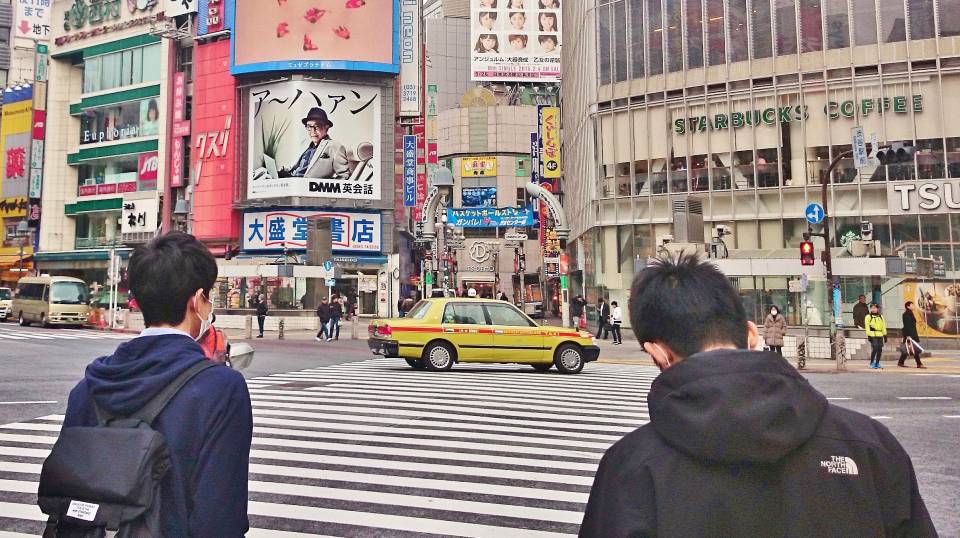
In the late afternoon or evening, continue to Shibuya on foot – or take the Yamanote Line from Harajuku to Shibuya (approx. 5 minutes). Arriving at Shibuya Crossing during rush hour is an experience that is difficult to prepare for. As the lights change, people move in every direction at once, forming a dense yet somehow perfectly coordinated flow. Standing at the edge, waiting for the signal, you can feel the anticipation build before being carried along with the crowd.

Shibuya Crossing is one of the busiest pedestrian intersections in the world.
Just outside the station stands the Hachiko dog statue, one of Tokyo’s most famous meeting points. The story of Hachiko, who waited every day for his owner even after his death, still resonates deeply and adds a quiet emotional note to the otherwise energetic surroundings. Allow 1–1.5 hours for Shibuya Crossing, Hachiko statue, and exploring nearby streets.
Shibuya has plentiful dining options, from casual noodle bars serving ramen, udon, and soba to lively izakaya pubs where small dishes are shared over drinks. You will also find sushi counters, tempura restaurants, and modern cafés tucked away on upper floors. Consider Uobei for conveyor belt sushi, Ichiran for solo ramen, or Genki Sushi for a lively, casual experience. For a quick and authentic experience, stepping into a small local ramen shop is often as memorable as a full restaurant meal and can be one of the most authentic Tokyo must-see experiences.

The statue of Hachiko outside Shibuya Station, a beloved symbol of loyalty and one of Tokyo’s most popular meeting points.

A subtle homage to Hachiko, this pavement plaque commemorates the loyal dog in Shibuya.
In Shibuya, you can end the day with a 360-degree view from Shibuya Sky or, for a completely different atmosphere, return to Senso-ji Temple to see it illuminated at night (Shibuya Sky observation deck: approx. 45 minutes).
This is a full and active day with significant travel across Tokyo. If you prefer a slower pace, consider moving Kappabashi or Shibuya to another day.
After long days exploring, staying in a well-located and comfortable hotel in Tokyo makes a significant difference to your overall experience.
Choosing the right area to stay in Tokyo can significantly shape your experience, especially when visiting for only 2 or 3 days. A well-located hotel reduces travel time and allows you to explore more comfortably.
For a short stay, the most convenient areas are Asakusa, with its traditional atmosphere and proximity to Senso-ji Temple, and Akasaka, a central, well-connected district ideal for exploring multiple neighborhoods efficiently. Other popular areas include Shinjuku, the transport and nightlife hub, and Shibuya, for modern Tokyo energy.
These hotels, selected for their character and location, offer easy access to the main sights on this Tokyo itinerary:
Prefer more options? Check availability for your travel dates.
Staying near a major train line, especially the JR Yamanote Line, will make following this itinerary significantly easier and more enjoyable.
Day 2 in Tokyo: Parks, Museums and Old Tokyo Charm
After a day balancing tradition and trend, Day 2 takes you deeper into Tokyo’s parks, historic streets, and hidden corners.
Begin your second day at Ueno Park and its museums, one of Tokyo’s most beloved public spaces. Established in 1876, it was Japan’s first public park and remains a place where daily life unfolds naturally. Sitting near the large fountain, you may find yourself watching kindergarten children in bright hats running past, students in neat uniforms chatting quietly, and locals simply enjoying a moment of calm.
Lush Ueno Park, home to renowned museums, tranquil pathways, and one of Tokyo’s most beloved cultural spaces, especially vibrant during festivals and seasonal highlights.
During cherry blossom season, the park transforms. People gather under the trees for hanami, sharing food and conversation beneath the pale pink blossoms. Photographers move carefully between the branches, trying to capture the fleeting moment of full bloom.
Within the park, you can choose to visit one of the museums. The Tokyo Metropolitan Art Museum offers a wide range of exhibitions, from ceramics and calligraphy to contemporary works. Alternatively, the Tokyo National Museum provides a deeper look into Japan’s history and traditional culture. Plan 1–2 hours at Ueno Park – and if you visit one of the museums, plan approx. 1–1.5 hours.
For lunch, head towards Ameyoko Market, located beneath the train tracks between Ueno and Okachimachi.

The traditional Ameyoko neighbourhood near Okachimachi Station, lively with markets, street food, and a vibrant local atmosphere.
Walking from Ueno Park to Ameyoko Market takes approx. 5–10 minutes on foot. Originally a post-war black market, it is now a lively bazaar filled with stalls selling everything from fresh fish to clothing. The area is also known for its casual eateries serving ramen, udon, and soba. Spend 45–60 minutes browsing stalls and sampling street food.
If you prefer a structured experience, consider joining a guided Tokyo tour to explore these areas with local insight.
In the afternoon, continue on foot towards Yanaka. The route itself is part of the experience, winding through smaller streets where Tokyo feels more local and less hurried.
Yanaka Cemetery is a peaceful and spacious area, lined with trees and steeped in history. Here you can find the graves of renowned actors and artists, as well as the grave of Tokugawa Yoshinobu, the last shogun of the Edo period. Walking among the graves offers a quiet reflection on Japan’s past and its Buddhist traditions.

The entrance to Yanaka Ginza, a charming shopping street that preserves the nostalgic atmosphere of Tokyo’s old Shitamachi neighbourhoods.
Nearby, Yanaka Ginza feels almost untouched by time, as if preserved from another era. This traditional shopping street survived the bombings of the Second World War, and its atmosphere still reflects an older Tokyo. Small shops display ceramics and handmade goods, while food stalls release the scent of teas, spices, and freshly prepared snacks. Time slips by almost unnoticed here, wandering slowly and taking in the details. The timeless Shitamachi atmosphere offers a rare glimpse of old Tokyo, and for many, this becomes one of the most memorable parts of the city. Using the cultural travel framework helps travellers connect streets, shops, and everyday interactions into a meaningful narrative of Tokyo’s history and culture.

Visitors explore the traditional streets of Yanaka Ginza, where small shops display their wares outside.
As you wander through Yanaka Ginza, it is easy to forget that the bustling metropolis lies just beyond the next corner. The quiet streets, small shops, and gentle rhythm of daily life create moments that linger long after you leave Tokyo. Allow at least 1 hour to wander Yanaka Ginza and nearby streets.
In the evening, continue to Akihabara. Take the Yamanote Line from Nippori (nearest to Yanaka) to Akihabara, which is approx. 15 minutes. The transition is immediate and almost surreal, as if stepping into a different version of the city. Neon lights, towering buildings, and an overwhelming number of shops define this district, which is the centre of anime, manga, and electronics culture.
The bustling Akihabara district, Tokyo’s epicentre for electronics, anime, and pop culture enthusiasts.
Inside stores such as Mandarake, Animate or Don Quijote, the sheer scale of the industry becomes apparent. Floors upon floors are filled with figures, comics, games, and collectables. Smaller places such as Gachapon Kaikan offer endless rows of capsule machines. Even if you are only slightly interested, it is difficult not to be drawn in. The energy is intense and, at times, almost overwhelming.
You may also notice the presence of cosplay culture or choose to visit a maid café, where the experience is as much performance as it is dining. Plan 1–2 hours exploring shops and optional maid café visits.
End the day with a visit to Tokyo Tower, which is approx. 25–30 minutes by train from Akihabara. Looking out over the illuminated city after two full days of exploration offers a sense of perspective. The vastness of Tokyo becomes clear, stretching far beyond what you have been able to see. The observation deck visit is approx. 45–60 minutes.

Tokyo Tower, an iconic symbol of the city, offering panoramic views and a blend of modern and traditional Tokyo vibes.
Alternatively, you could head on to the lively district of Roppongi to experience Tokyo’s renowned nightlife, with its stylish bars and clubs. You might also opt to enjoy dinner at one of the area’s fashionable restaurants.
Day 3 in Tokyo: Markets, Shinjuku and Modern Highlights
If you have a third day in Tokyo, you can expand your itinerary to include some of the city’s most dynamic districts. This would perfectly complement your Day 1 and Day 2 experiences.
Begin early at Tsukiji Outer Market. Although the famous tuna auctions have moved to Toyosu, the area remains lively. Small shops and restaurants serve fresh seafood, and having sushi or sashimi for breakfast is a surprisingly natural way to start the day here. Spend 1–1.5 hours enjoying breakfast and browsing stalls.
Tsukiji Outer Market, bustling with vendors and stalls, where fresh fish and seafood are displayed and sold daily.
From Tsukiji, continue to Ginza on foot (approx. 10-15 minutes). This is Tokyo’s most refined shopping district, where wide streets are lined with department stores, galleries and elegant boutiques. Complexes such as Ginza Six and Tokyo Plaza offer a modern shopping experience, but even without shopping, the atmosphere is worth experiencing. Allow 1–1.5 hours to explore Ginza streets and department stores.
Later, head towards Shinjuku by taking the metro from Ginza (approx. 20–25 minutes). Arriving at Shinjuku Station, you soon understand why it is considered the busiest train station in the world, with millions of passengers passing through daily. It becomes a maze of corridors, exits and platforms, and simply navigating it is an experience in itself.
Around the station, large department stores such as Odakyu, Takashimaya, and Isetan offer everything from fashion to electronics. It is easy to spend 1.5–2 hours (or more) here, and you may even find yourself considering an extra suitcase for the journey home.

Tokyo Metropolitan Government Building, a striking architectural landmark in Shinjuku, offering panoramic city views from its observation decks.
For a panoramic view, visit the Tokyo Metropolitan Government Building on the 45th floor, 202 metres above ground. The observation decks are free and offer sweeping views across the city (allow 45 minutes). On clear days, you may even catch a glimpse of Mount Fuji in the distance.
As evening approaches, make your way to Golden Gai. This small area of narrow alleys and tiny bars feels like a remnant of post-war Tokyo. Today, there are around 200 small shanty-style bars in a total of only six narrow alleys that make up Golden Gai. Every alley feels like a story waiting to be discovered, each tiny bar a glimpse into the soul of the city that tourists rarely see. Many of the bars seat fewer than ten people, some only four or five. It feels intimate, slightly unconventional, and very different from the rest of the city. If you are willing to pay a small cover charge, you can step inside and experience a more personal side of Tokyo nightlife.

Golden Gai, a compact Tokyo district famous for its narrow alleys and traditional shanty bars, offering an intimate nightlife experience.
Optional Experiences and Adjustments for Your Tokyo Itinerary
Depending on your interests, you may wish to adjust this Tokyo itinerary.
Watching sumo training in a stable such as Arashio Beya can be a unique experience. Training sessions take place in the morning and can sometimes be observed through a window, offering a rare glimpse into this traditional sport.
You can also enjoy a leisurely walk along the Sumida River near Asakusa, with great views of river cruises and the Tokyo Skytree. For a more relaxed evening, a dinner cruise along the river is an excellent option. Booking an organised tour in advance lets you make the most of your stay, skip the queues, and experience Tokyo from a unique perspective.
Practical Tips for Exploring Tokyo
Tokyo’s transport system is highly efficient, making it easy to follow this Tokyo itinerary and get around the city quickly. The JR Yamanote Line is especially useful for visiting popular districts like Shibuya, Harajuku, and Ueno, while metro lines and buses fill in the gaps for other neighbourhoods. If you plan to travel beyond Tokyo, a Japan Rail Pass provides a convenient and cost-effective way to explore Japan, with options tailored to different regions and durations.


Comfortable walking shoes are essential, as exploring Tokyo on foot allows you to experience the hidden streets, local shops, and quieter corners that make the city feel alive. Many of the best moments in Tokyo come from wandering through neighbourhoods, observing daily life, and discovering unexpected cultural gems rather than rushing from one major attraction to the next.
When using Tokyo’s trains and subways, consider purchasing a Suica or Pasmo card. These rechargeable travel cards save time when navigating Tokyo’s transport system and can also be used at many convenience stores, vending machines, and cafés. If you are staying only within Tokyo, a Suica or Pasmo card is usually more practical than a full Japan Rail Pass.

Shibuya Sky observation deck, offering panoramic views over Shibuya Crossing and the bustling heart of Tokyo’s vibrant city life.
Plan your sightseeing around Tokyo’s peak hours. Mornings and evenings in Shibuya, Shinjuku, and Ginza are particularly busy, so visiting major attractions earlier or later in the day can make your experience more relaxed. Combining traditional and modern areas in a single day reflects the way Tokyo is experienced, where different cultural layers exist side by side. For a broader overview, see the Tokyo culture guide.
Finally, allow time for both planned sightseeing and spontaneous discoveries. Tokyo is a city of contrasts, where centuries-old temples, historic neighbourhoods, and neon-lit skyscrapers coexist. By leaving room for curiosity and small detours, this Tokyo plan will feel more immersive, offering a richer understanding of the city’s culture, cuisine, and everyday life.

A traditional Japanese meal and artful presentation, highlighting Tokyo’s rich culinary culture.
Additional Practical Questions
How many days do you need in Tokyo?
Two to three days are enough to experience Tokyo’s main highlights, including historic temples, modern districts, and cultural landmarks. With more time, you can explore quieter neighbourhoods at a more relaxed pace.
Is 2 days enough for a Tokyo itinerary?
Yes, 2 days in Tokyo can cover many of the city’s most iconic sights, particularly if you focus on key districts such as Asakusa, Harajuku, and Shibuya. A third day allows for additional depth and flexibility.
What is the best way to get around Tokyo?
Tokyo’s train and metro system is the most efficient way to get around. The JR Yamanote Line connects many major districts and landmarks, while prepaid cards like Suica or Pasmo make travel seamless.
Where should you stay in Tokyo for a short visit?
Areas such as Asakusa, Shinjuku, and Shibuya are ideal for a short stay in Tokyo, offering convenient access to major attractions, transport links, and a wide range of accommodation options.
Making the Most of 2–3 Days in Tokyo
Even with a carefully planned Tokyo itinerary, a few days will only offer a glimpse of the city. Yet, by combining historic temples, modern districts, and quieter neighbourhoods, you can begin to understand its unique character.
From the stillness of Meiji Jingu to the intensity of Shibuya Crossing, and from the nostalgic streets of Yanaka to the bright lights of Akihabara, Tokyo reveals itself most clearly through contrast. And it is often within those contrasts that the city becomes most memorable.
For those with a little extra time, it is also worth extending your trip beyond the city. A day trip to Kawaguchiko and Mount Fuji offers a completely different perspective on Japan, combining lakeside scenery with one of the country’s most iconic views.
Whether you follow this Tokyo itinerary step by step or adapt it to your own pace, it offers a structured Tokyo travel guide to experience both the energy and the quieter depth of the city. You will leave with a clear sense of Tokyo’s culture, vibrant streets, and hidden stories, ready to explore even more on your next visit. Save this Tokyo itinerary to plan your journey – or use it as a starting point to explore even deeper layers of the city.
Explore Other Destinations
Read next: Where to Stay in Sapporo and Exploring Hiroshima and Miyajima Island in One Day.
For further inspiration about Tokyo and staying in Japan, you could also read the JoynTokyo Guide on life in Tokyo and Japan.

Images courtesy of Travel In Culture. Selected images from Pixabay.